
Preparing for Transport

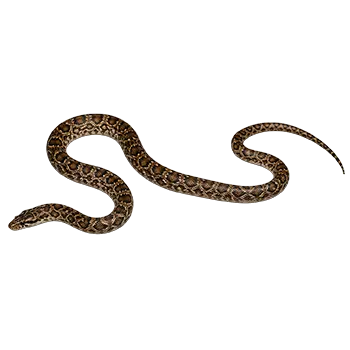
Transporting an Eastern Small-Blotched Python safely begins well before the animal enters a travel container. The species' compact adult size, typically between sixty and one hundred centimeters in total length, makes it one of the more straightforward pythons to transport, but careful preparation is still essential to minimize stress on the animal and to ensure compliance with applicable regulations. Planning should begin several days before the intended travel date, allowing sufficient time to gather materials, confirm regulatory requirements, and prepare the animal for the disruption to its routine that transport inevitably involves.

The Eastern Small-Blotched Python should ideally be fasted for at least three to five days before transport to reduce the risk of regurgitation during the journey. Regurgitation is a significant welfare concern for snakes, as it causes physiological stress, can lead to aspiration, and may indicate or exacerbate underlying health issues. A python that has fully digested its most recent meal before transport is less likely to experience gastrointestinal distress, and the absence of a food bolus in the stomach reduces the risk of complications if the animal is jostled during movement. Keepers should plan feeding schedules in the weeks leading up to anticipated transport dates to ensure that the fasting period is observed without unnecessarily extending the interval between meals.

A thorough health assessment should be conducted before any transport event. Keepers should examine their Eastern Small-Blotched Python for signs of respiratory infection, external parasites, retained shed, mouth rot, or any other condition that could be exacerbated by the stress of transport. Animals that are visibly unwell, in active shed cycles, or in the late stages of pregnancy should not be transported unless the journey is necessary for veterinary care. If the transport involves a sale or transfer to a new keeper, both parties benefit from ensuring that the animal is in demonstrably good health at the time of handover, which reduces the potential for disputes and protects the welfare of the animal.

Documentation should be assembled and organized before the travel date. Depending on the jurisdiction and the nature of the journey, required documents may include a current wildlife license, a record of the animal's acquisition and holding history, interstate movement permits if applicable, and any veterinary certificates required by the destination state or territory. Having these documents readily accessible during transport is important not only for regulatory compliance but also for responding efficiently to any inspection or inquiry by wildlife compliance officers or transport authorities that may occur during the journey.

Containers & Packing Methods

The choice of transport container for the Eastern Small-Blotched Python is a critical element of safe transport planning. The ideal container provides a secure, escape-proof enclosure that restricts the animal's movement sufficiently to prevent injury from being thrown around during vehicle acceleration, braking, and cornering, while allowing adequate ventilation and maintaining an appropriate temperature range. For a species that rarely exceeds one meter in length, suitable containers include purpose-built reptile transport bags, ventilated plastic tubs with secure locking lids, and small calico or cotton bags placed inside rigid outer containers.

Cloth bags are the most widely used primary containment method for transporting pythons of the Eastern Small-Blotched Python's size class within the Australian herpetoculture community. A bag made from breathable cotton or calico, sized appropriately so that the snake can coil comfortably without excessive empty space, provides a dark, confined environment that most pythons find calming. The bag should be tied securely with a knot that cannot be loosened by the animal's movements but that can be untied readily at the destination. The bagged snake should then be placed inside a rigid outer container, such as a polystyrene box or a ventilated plastic storage container, which provides structural protection and helps to buffer temperature fluctuations during the journey.

Ventilation is essential in any transport container configuration, particularly during warm-weather travel in the tropical and subtropical regions where the Eastern Small-Blotched Python naturally occurs. Containers should have sufficient airflow openings to prevent the buildup of heat and carbon dioxide, but these openings must be small enough to prevent escape and should be positioned to avoid direct drafts on the animal. Polystyrene boxes used as outer containers should have ventilation holes drilled through the walls, with the number and diameter of holes calibrated to the expected ambient temperature and the duration of the journey.

Temperature management within the transport container is particularly important for the Eastern Small-Blotched Python, which as a tropical species is susceptible to stress and health complications at temperatures outside its preferred range of approximately twenty-four to thirty-two degrees Celsius. During cooler weather, heat packs designed for reptile transport can be taped to the inside of the outer container, separated from the snake by a layer of newspaper or cloth to prevent direct contact burns. During hot weather, the primary concern shifts to preventing overheating, which can be addressed by transporting during the cooler parts of the day, using insulated containers, and avoiding leaving the transport container in direct sunlight or in unventilated vehicles.

Vehicle Transport & Road Travel

Road transport is the most common method of moving Eastern Small-Blotched Pythons within Australia, whether for veterinary visits, sales and transfers between keepers, or attendance at reptile expos and educational events. The species' small size and generally calm temperament make it one of the easier python species to transport by private vehicle, but attention to detail during the journey itself is important for maintaining the animal's safety and welfare throughout the trip.

The transport container should be secured within the vehicle to prevent it from sliding, tipping, or being thrown during sudden stops or turns. Placing the container on the floor of the vehicle behind a front seat, or securing it with a seatbelt on the rear seat, are common approaches that provide both stability and protection from direct sunlight through windows. The container should never be placed in the boot of a sedan or the cargo area of an enclosed vehicle if those spaces lack ventilation and climate control, as temperatures in enclosed, unventilated spaces can rise to lethal levels within minutes during warm weather, particularly in the tropical regions where the Eastern Small-Blotched Python's range is centered.

Climate control within the vehicle should be maintained at a level that keeps the air temperature in the vicinity of the transport container within the species' preferred range. Air conditioning is generally advisable during warm-weather transport in tropical Queensland, where ambient temperatures routinely exceed the upper end of the python's thermal comfort zone. During cooler weather or overnight travel, gentle vehicle heating may be appropriate. Keepers should avoid directing air conditioning or heating vents directly at the transport container, as concentrated airflow can cause localized temperature extremes even when the overall cabin temperature is appropriate.

For longer journeys, periodic checks on the animal and the container conditions are advisable, though the frequency and nature of these checks should be balanced against the stress that repeated disturbance causes to the snake. A brief visual inspection every two to three hours, confirming that the container is secure, that ventilation remains adequate, and that the temperature within the container is within acceptable bounds, is generally sufficient for journeys of up to twelve hours. The snake should not be removed from its bag or container for handling during rest stops, as the unfamiliar environment and the disruption of the secure, dark space that the transport bag provides will increase the animal's stress levels without providing any offsetting benefit.

Keepers transporting Eastern Small-Blotched Pythons by road should carry relevant documentation in an accessible location within the vehicle. In the event of a roadside inspection by wildlife compliance officers or police, the ability to produce a current wildlife license and any required transport permits promptly and without delay will facilitate a smooth interaction and avoid unnecessary complications. While roadside inspections of reptile keepers are not frequent, they do occur, particularly in the vicinity of major reptile expos and during periods of heightened enforcement activity.

Interstate & Long-Distance Movement

The movement of Eastern Small-Blotched Pythons across Australian state and territory borders introduces additional regulatory complexity that keepers must address before undertaking any interstate journey. Each Australian state and territory maintains its own wildlife licensing system, and the transfer of a reptile from one jurisdiction to another typically requires compliance with the regulatory requirements of both the originating and destination jurisdictions. Failure to obtain the necessary permits and approvals before crossing state lines with a reptile is an offense that can result in the confiscation of the animal and the imposition of penalties on the keeper.

The specific requirements for interstate movement of Eastern Small-Blotched Pythons vary depending on the states involved and the purpose of the movement. In general, keepers planning an interstate transfer should contact the wildlife licensing authority in the destination state to determine what permits, notifications, or approvals are required before the animal enters that jurisdiction. Some states require advance notification or the issuance of a specific interstate movement permit, while others may accept the presentation of a valid license from the originating state accompanied by documentation of the animal's provenance and health status. The processing time for interstate permits can range from a few days to several weeks, so early planning is essential.

Keepers who are relocating permanently from one Australian state to another and wish to bring their Eastern Small-Blotched Python with them must typically apply for a new wildlife license in their destination state and arrange for the transfer of their animal records from the originating jurisdiction. The process for doing so varies by state and may involve the cancellation of the existing license, the issuance of a new license under the destination state's framework, and the notification of both jurisdictions about the movement of the animal. In some cases, species that are licensable in one state may be subject to different licensing categories or requirements in another, and keepers should confirm that they will be eligible to hold the species under the destination state's regulations before committing to the move.

Commercial reptile shipping services operate within Australia and provide a specialist transport option for keepers who need to move Eastern Small-Blotched Pythons over long distances but are unable or unwilling to transport the animals personally. These services use insulated, ventilated packaging designed specifically for live reptile transport and ship animals via overnight courier or dedicated transport runs between major cities. Keepers using commercial shipping services should verify that the provider is experienced with reptile transport, that the packaging and handling protocols meet appropriate welfare standards, and that the regulatory requirements for both the originating and destination jurisdictions are satisfied before the animal is dispatched. Shipping during periods of extreme heat or cold should be avoided, and many reputable shipping services will decline to transport reptiles when weather conditions exceed safe transport parameters.

Expo & Event Travel

Attendance at reptile expos and hobbyist events is one of the most common reasons for Eastern Small-Blotched Python keepers to transport their animals, and the unique requirements of expo travel warrant specific consideration beyond the general principles of safe reptile transport. Expos involve bringing animals into a crowded, noisy, and often warm environment for extended periods, exposing them to handling by multiple people, and subjecting them to disruptions that differ significantly from the controlled conditions of a home enclosure. Keepers who plan to display or sell Eastern Small-Blotched Pythons at expos should prepare for these conditions with care.

The transport of animals to and from expo venues follows the same principles outlined for general vehicle transport, with the additional consideration that the journey is typically followed immediately by a period of display and handling rather than a return to the security of a home enclosure. Keepers should plan to arrive at the expo venue with sufficient time to unpack and arrange their animals calmly, avoiding the stress that rushing creates for both the keeper and the snakes. Animals that appear stressed, unwell, or reluctant to settle after transport should not be placed on display and should instead be kept in their transport containers in a quiet area until they can be assessed and either displayed or returned home.

Enclosure setup at expo venues should prioritize the welfare of the Eastern Small-Blotched Python while meeting the practical requirements of display and visitor interaction. Temporary enclosures should provide a hide or retreat area where the snake can withdraw from visual and physical stimulation, adequate ventilation, and a substrate that allows the animal to maintain a secure footing. Water should be available, and the enclosure should be positioned to avoid direct sunlight, heating vents, and areas of high foot traffic that may generate vibrations and disturbance. Display animals should be monitored throughout the event for signs of stress, including sustained defensive posturing, rapid breathing, and attempts to escape the enclosure.

The sale and transfer of Eastern Small-Blotched Pythons at expos must comply with all applicable licensing requirements, including the verification of buyer license status, the completion of required transfer documentation, and the provision of appropriate transport containers for animals leaving the venue with new owners. Reputable expo vendors maintain a supply of clean transport bags and boxes for this purpose and refuse to release animals to buyers who cannot demonstrate valid licensing or who do not have suitable containers for the journey home. These practices protect both the welfare of the animal and the legal standing of the seller, and they contribute to the broader culture of responsible animal husbandry that the herpetoculture community seeks to maintain.

Post-Transport Care & Settling In

The period immediately following transport is a critical time for the Eastern Small-Blotched Python's welfare, as the stress of the journey can temporarily suppress immune function, alter behavior, and increase susceptibility to illness if the animal is not given appropriate time and conditions to recover. Post-transport care should prioritize the establishment of a calm, stable environment that allows the python to decompress and return to its normal behavioral patterns before any additional disruptions, including handling or feeding, are introduced.

Upon arrival at the destination, the Eastern Small-Blotched Python should be transferred from its transport container to a clean, appropriately set up enclosure as promptly and quietly as possible. The enclosure should be at the correct temperature, with a thermal gradient that allows the snake to select its preferred body temperature, and should contain secure hide areas where the animal can retreat from visual stimulation. Fresh water should be available immediately. The enclosure should be placed in a quiet area of the home or facility, away from high-traffic zones, loud equipment, and direct sunlight, to facilitate the python's transition from the stress of transport to the security of its permanent or temporary housing.

A settling-in period of at least five to seven days is generally recommended before the Eastern Small-Blotched Python is offered food or subjected to routine handling. During this period, the keeper should limit interactions with the snake to essential husbandry tasks such as water changes and brief visual checks for signs of illness or injury. Premature feeding after transport carries a risk of regurgitation, which is physiologically stressful and can initiate a cycle of digestive disruption that is difficult to resolve. By allowing the python to settle, rehydrate, and re-establish its normal thermoregulatory behavior before introducing food, keepers significantly reduce the risk of post-transport digestive problems.

Keepers should monitor newly transported Eastern Small-Blotched Pythons closely during the settling-in period for signs of respiratory infection, which can be triggered or exacerbated by the temperature fluctuations and physiological stress associated with transport. Symptoms to watch for include audible wheezing or clicking during respiration, open-mouth breathing, excessive mucus around the nostrils or mouth, and lethargy beyond what would be expected during normal settling-in behavior. If respiratory symptoms are observed, the keeper should ensure that enclosure temperatures are maintained at the upper end of the species' preferred range, increase ambient humidity slightly, and seek veterinary consultation if symptoms persist or worsen over the following forty-eight to seventy-two hours.

For animals that have been acquired from a new source, such as a breeder, dealer, or expo vendor, a quarantine period separate from any existing reptile collection is strongly advisable. Quarantine serves to protect both the new animal and the established collection from the transmission of infectious diseases, parasites, and other health threats that may not be immediately apparent. A quarantine period of at least thirty days, during which the new Eastern Small-Blotched Python is housed in a separate room from existing animals, maintained with dedicated equipment, and serviced after all other animals in the collection, provides a reasonable window for the detection of most common health issues. Strict quarantine protocols, while requiring additional space and effort, represent an important investment in the long-term health and biosecurity of a reptile collection.

Always consult a qualified professional before making any health-related decisions. This content is provided for informational reference only and should not replace professional guidance specific to your animal.