
Wildlife Documentaries & Television

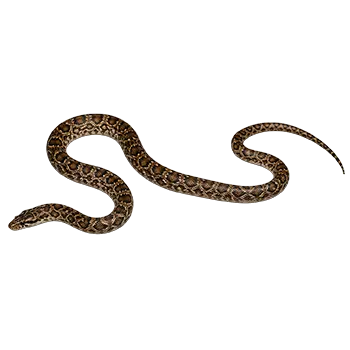
The Eastern Small-Blotched Python has appeared in numerous Australian wildlife documentary productions, though it has rarely been the singular focus of a program. Its most common role in television media is as a representative of the diverse and often underappreciated small reptile fauna of tropical Queensland, featured alongside other species in episodes dedicated to the ecology of the Wet Tropics, Cape York Peninsula, or the broader Australian tropical north. Productions by Australian broadcasters and natural history filmmakers have used the species to illustrate the richness of the continent's python lineage, drawing attention to the fact that not all pythons are the massive constrictors of popular imagination.

Australian wildlife television personalities have frequently handled Eastern Small-Blotched Pythons during field segments, taking advantage of the species' typically calm demeanor to demonstrate safe snake-handling techniques and to challenge viewer preconceptions about snakes as universally aggressive or dangerous animals. The snake's manageable size and generally docile temperament make it an ideal subject for live demonstration segments in which a presenter can hold and discuss the animal without the logistical complexities and safety concerns associated with larger python species. These appearances have contributed to a gradual shift in public perception of snakes in Australia, particularly among younger audiences who encounter wildlife media as a primary source of information about native fauna.

International nature documentary series have occasionally featured the Eastern Small-Blotched Python in episodes exploring Australian biodiversity, though it tends to receive less screen time than more visually dramatic species such as the Scrub Python or the various venomous snakes of the Australian tropics. When the species does appear in internationally distributed programming, it is typically presented within the context of the Antaresia genus or as part of a broader survey of Australian python diversity, providing viewers outside Australia with a window into a reptile fauna that differs markedly from the large constrictors that dominate popular media representations of pythons worldwide.

Regional television news and current affairs programs in Queensland regularly feature the Eastern Small-Blotched Python in seasonal wildlife segments, particularly during the warmer months when increased snake activity leads to more frequent encounters between humans and reptiles in residential areas. These media appearances serve a practical public education function, helping residents of tropical and subtropical Queensland to identify the species, understand its behavior, and respond appropriately when they encounter a python in or around their homes. Wildlife relocators and snake catchers who regularly appear in these segments often single out the Eastern Small-Blotched Python as an example of a completely harmless native species that benefits homeowners by consuming pest rodents and geckos.

Photography & Visual Arts

The Eastern Small-Blotched Python has become a popular subject within the wildlife photography community in Australia, valued for its photogenic patterning, the variety of color forms present across its geographic range, and its tendency to hold still long enough for photographers to compose carefully lit images. The species' blotched dorsal pattern, which ranges from warm reddish-brown to cool olive and gray depending on the population and individual, provides rich textural detail that translates well in both close-up macro photography and wider habitat shots that place the snake within its rocky, woodland, or rainforest-edge environment.

Professional herpetological photographers working in northeastern Queensland have produced extensive portfolios featuring the Eastern Small-Blotched Python in both wild and studio settings. In-situ photography of the species in its natural habitat presents particular challenges, as the python's nocturnal habits and cryptic coloration make it difficult to locate and photograph during daylight hours. Many of the most striking published images of wild Eastern Small-Blotched Pythons have been captured during nighttime fieldwork using portable lighting equipment, a technique that allows photographers to document the snake's natural behaviors, including hunting, thermoregulation on road surfaces after dark, and the exploration of rock crevices and tree hollows.

Within the herpetoculture community, photography of captive Eastern Small-Blotched Pythons has become a significant form of creative expression and a practical tool for documenting and marketing captive-bred animals. Breeders invest considerable effort in producing high-quality images of their snakes, using controlled lighting, carefully chosen backgrounds, and post-processing techniques to showcase the color and pattern qualities of individual animals. These images circulate through social media platforms, reptile classified websites, and online forums, serving simultaneously as commercial advertisements, records of genetic lineages, and contributions to a growing visual archive of the species' phenotypic diversity in captivity.

The Eastern Small-Blotched Python has also appeared in fine art and illustration contexts, particularly in works by Australian natural history artists who specialize in depicting the continent's reptile fauna. Scientific illustration of the species has been produced for field guides, museum displays, and academic publications, contributing to the visual documentation that supports taxonomic research and public education. Contemporary artists working at the intersection of science and art have used the species as a subject to explore themes of biodiversity, habitat, and the human relationship with the Australian landscape.

Online Communities & Social Media

The rise of internet-based communication platforms from the late 1990s onward transformed the way enthusiasts of the Eastern Small-Blotched Python shared information, traded animals, and built community around their shared interest in the species. Early online reptile forums, many of which were based in Australia and focused specifically on Australian herpetoculture, became gathering places where keepers exchanged husbandry advice, discussed breeding results, debated taxonomy, and posted photographs of their animals. The Eastern Small-Blotched Python featured prominently in these discussions, reflecting its popularity within the Australian keeping community and the relatively large number of hobbyists working with the species.

Social media platforms including Facebook, Instagram, and YouTube have further expanded the visibility of the Eastern Small-Blotched Python within both the herpetoculture community and the broader public. Dedicated Facebook groups for Antaresia enthusiasts attract thousands of members who share images, seek identification assistance, discuss husbandry questions, and celebrate breeding milestones. Instagram accounts operated by breeders, wildlife photographers, and reptile educators regularly feature the species, and the visual nature of the platform has been particularly effective in showcasing the range of color and pattern morphs that captive breeding programs have produced.

YouTube has become an important platform for Eastern Small-Blotched Python content, hosting videos that range from detailed care guides produced by experienced keepers to casual vlogs documenting the day-to-day experience of maintaining the species in captivity. Feeding videos, enclosure tours, and unboxing footage of newly acquired animals generate substantial viewership within the reptile-keeping segment of the platform's audience. More substantive content, including discussions of the species' natural history, breeding biology, and conservation status, also circulates on the platform, contributing to a growing library of freely accessible educational material about the species.

The digital presence of the Eastern Small-Blotched Python has had both positive and potentially concerning consequences. On the positive side, online communities have democratized access to husbandry information, connected geographically dispersed keepers, and raised the overall standard of care by making best practices widely available. On the other hand, the visibility of the species on social media has occasionally contributed to impulse acquisition by individuals who are not adequately prepared for the responsibilities of reptile keeping, and the emphasis on novel color morphs in online marketplaces has raised questions within the community about whether aesthetic selection pressures might compromise the long-term health and genetic diversity of captive populations.

Educational Media & Outreach

The Eastern Small-Blotched Python plays a significant role in reptile education and outreach programs across Queensland and more broadly within Australia. Wildlife education companies, zoo programs, and individual educators regularly use captive Eastern Small-Blotched Pythons in school visits, public demonstrations, and community events, taking advantage of the species' manageable size and generally tolerant temperament to provide audiences with a safe and memorable hands-on experience with a native python. These encounters are particularly effective with children, for whom the opportunity to see and sometimes touch a live snake can reshape attitudes toward reptiles and the natural world in lasting ways.

Museum displays and interpretive centers throughout northeastern Queensland feature the Eastern Small-Blotched Python as part of their presentations on local biodiversity. Institutions including the Museum of Tropical Queensland in Townsville, the Cairns Aquarium, and various national park visitor centers incorporate live or preserved specimens of the species, often alongside interpretive panels that explain its ecology, behavior, and role within the broader ecosystem. These displays serve an important function in connecting visitors, including international tourists, with the native fauna of the region and in conveying conservation messages about the importance of protecting habitat for all species, not only the large or charismatic ones.

Printed field guides and identification resources for the reptiles of Queensland and Australia prominently feature the Eastern Small-Blotched Python, providing descriptions, distribution maps, and photographic references that enable both amateur naturalists and professionals to identify the species in the field. The proliferation of digital field guide applications for smartphones has extended the reach of these identification resources, making it possible for anyone with a mobile device to access detailed information about the Eastern Small-Blotched Python at the moment of encounter. This immediate access to accurate identification information has practical conservation value, as it reduces the likelihood that a harmless python will be killed out of misidentification as a venomous species.

Academic publications and popular science writing about Australian reptiles have contributed to a growing body of accessible literature on the Eastern Small-Blotched Python. Articles in magazines such as Australian Geographic and Monitor, the journal of the Victorian Herpetological Society, have profiled the species for audiences ranging from specialist reptile enthusiasts to general readers with an interest in Australian natural history. These publications bridge the gap between primary scientific research and public understanding, translating technical findings about the species' genetics, ecology, and conservation into language and formats that inform and engage a broad readership.

Cultural Perceptions & Public Attitudes

The Eastern Small-Blotched Python occupies an interesting position within the spectrum of Australian public attitudes toward snakes. Australia is home to some of the most venomous snake species on Earth, and the cultural response to snakes in the Australian context is shaped by a well-founded awareness of the potential danger posed by species such as the Eastern Brown Snake, the Taipan, and the Death Adder. This awareness, while protective in practical terms, has historically contributed to a broadly negative perception of snakes as a group, one that extends to harmless species like the Eastern Small-Blotched Python despite the complete absence of any danger to humans.

Efforts to shift these cultural perceptions have gained momentum in recent decades, driven by wildlife educators, herpetoculture enthusiasts, conservation organizations, and media personalities who emphasize the ecological value and inherent interest of non-venomous snake species. The Eastern Small-Blotched Python has emerged as a particularly effective ambassador in these efforts, precisely because its small size, attractive appearance, and gentle behavior make it accessible and unthreatening to people who might otherwise be reluctant to engage with any snake species. Encounters with captive Eastern Small-Blotched Pythons at educational events and reptile shows have demonstrably altered attitudes among participants, with many reporting reduced fear and increased appreciation for snakes after hands-on interaction.

In regional communities across northeastern Queensland, the Eastern Small-Blotched Python occupies a position of casual familiarity that sets it apart from many other reptile species. Residents of towns such as Townsville, Cairns, and Mackay are accustomed to encountering the species in their gardens, carports, and roof cavities, and many have developed a pragmatic acceptance of the python's presence that reflects an understanding of its harmless nature and its value as a consumer of rodents and geckos. This neighborhood-level coexistence, while unremarkable to those who experience it daily, represents a meaningful form of human-wildlife relationship that is often overlooked in discussions that focus on more dramatic instances of wildlife conflict.

The representation of the Eastern Small-Blotched Python in Australian media has both reflected and contributed to these evolving cultural attitudes. As wildlife programs, news segments, and social media content increasingly emphasize the positive attributes of native snake species and the importance of tolerant coexistence, the Eastern Small-Blotched Python has become a recurring visual and narrative element in a broader cultural conversation about the value of biodiversity and the need for informed, proportionate responses to wildlife encounters in everyday Australian life.

Representation in the Reptile Hobby & Expos

The Eastern Small-Blotched Python is one of the most prominently represented species at reptile expos and hobbyist events held across Australia, a reflection of its popularity among keepers and breeders and its suitability as a display animal in the busy, stimulating environment of a public expo. Major reptile shows in cities including Sydney, Melbourne, Brisbane, and Townsville routinely feature multiple vendors offering captive-bred Eastern Small-Blotched Pythons in a variety of color morphs and age classes, from hatchlings to breeding-age adults. These events serve as marketplace, social gathering, and educational forum for the herpetoculture community, and the Eastern Small-Blotched Python's consistent presence at them underscores its central position within the Australian reptile-keeping hobby.

The culture surrounding the Eastern Small-Blotched Python within the hobby has developed its own vocabulary, aesthetic standards, and social dynamics. Breeders discuss the merits of different bloodlines, debate the naming conventions applied to various color and pattern morphs, and compete informally for recognition as producers of particularly high-quality animals. The species' relatively short generation time and its willingness to breed reliably in captivity have facilitated the rapid development of a diverse array of captive morphs, and the pursuit of new or refined visual varieties drives a segment of the hobby that is equal parts animal husbandry, genetics, and aesthetic connoisseurship.

Reptile expos also serve as venues for the broader educational and conservation messaging that the herpetoculture community directs toward the general public. Many expo organizers incorporate educational displays, live presentations, and interactive experiences alongside the commercial vendor tables, providing attendees who may have no prior experience with reptiles an opportunity to learn about native species in a welcoming and supervised setting. The Eastern Small-Blotched Python frequently appears in these educational components, serving as a hands-on demonstration animal that allows visitors to interact directly with a python and ask questions of experienced keepers.

The economic dimension of the Eastern Small-Blotched Python's presence in the hobby is not insignificant. The species supports a network of breeders, equipment suppliers, and event organizers whose combined activity constitutes a small but identifiable segment of the broader pet industry in Australia. Prices for captive-bred animals vary widely depending on age, sex, color morph, and breeder reputation, with common wild-type juveniles available at accessible price points and rare or highly refined morphs commanding substantially higher sums. This economic activity, while modest in macroeconomic terms, represents a tangible way in which the species contributes to the livelihoods and recreational pursuits of Australians who participate in the herpetoculture community.

Always consult a qualified professional before making any health-related decisions. This content is provided for informational reference only and should not replace professional guidance specific to your animal.