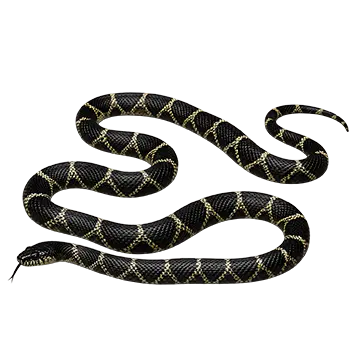

Preparing Your Eastern Kingsnake for Transport

Successful transport of an Eastern Kingsnake begins well before the animal is placed in a travel container. Preparation is the most important phase of any reptile move, and the steps taken in advance of departure directly determine the level of stress the animal experiences and the likelihood of a safe, uneventful journey. Whether the trip involves a short drive to a veterinary appointment or a multi-day journey to a reptile expo across state lines, thoughtful planning pays dividends in animal welfare and keeper peace of mind.

The Eastern Kingsnake should be fasted for a period appropriate to the length and nature of the planned journey. For short trips lasting a few hours, withholding food for two to three days prior to travel is generally sufficient to ensure that the snake does not have a meal in the early stages of digestion, which could be regurgitated under the stress of movement and temperature fluctuation. For longer journeys or shipments involving air transport, a fasting period of five to seven days is advisable, allowing the digestive tract to empty completely and reducing the risk of complications during transit. Adequate hydration should be maintained during the fasting period, with fresh water available until the snake is placed in its travel container.

A health assessment prior to travel is advisable for any Eastern Kingsnake that will be subject to the stresses of transport. The snake should be in good body condition, free of visible signs of respiratory infection, mites, or skin lesions, and should have completed any recent shed cycle. Animals that are in active shed, recovering from illness, or in the early stages of digestion should not be transported unless the trip is for veterinary care necessitated by the animal's condition. Neonates and juvenile kingsnakes are more sensitive to temperature extremes and dehydration than adults and may require additional precautions during transport.

Assembling transport supplies in advance eliminates the risk of last-minute improvisation that can compromise animal safety. A well-prepared transport kit for an Eastern Kingsnake includes an appropriately sized escape-proof container, clean substrate or absorbent material for the container interior, heat or cold packs as dictated by ambient conditions, an insulated outer container for temperature management, a reliable thermometer for monitoring conditions in transit, and any documentation required by applicable regulations. Having all materials staged and ready before the snake is removed from its enclosure minimizes handling time and allows the keeper to focus entirely on the animal during the loading process.

Vehicle Transport & Road Travel

Ground transport by personal vehicle is the most common method of moving Eastern Kingsnakes and, when executed properly, one of the least stressful for the animal. The species' generally calm temperament and robust constitution make it well suited to vehicle travel, provided that basic precautions are taken to maintain stable temperatures, prevent escape, and minimize vibration and disturbance during the journey. Most Eastern Kingsnakes settle into their travel containers within minutes of departure and remain quietly coiled for the duration of a drive, making road transport a straightforward proposition for keepers who have prepared adequately.

The choice of travel container is critical. For adult Eastern Kingsnakes, a sturdy cloth snake bag placed inside a rigid, ventilated container provides the optimal combination of security, darkness, and temperature stability. The cloth bag should be constructed of a tightly woven material such as pillowcase-grade cotton or purpose-made snake bags with secure, double-knotted or drawstring closures. The rigid outer container, which may be a commercially available reptile shipping box, a ventilated plastic tub, or an insulated cooler with air holes, provides protection against crushing, escape, and direct sunlight exposure during the journey.

Temperature management is the single most important variable during vehicle transport. Eastern Kingsnakes are ectotherms whose physiological processes are directly governed by ambient temperature, and exposure to temperatures outside their tolerable range can cause rapid deterioration in health or death. During warm-weather travel, the interior of a parked vehicle can reach lethal temperatures within minutes, making it essential that the snake never be left unattended in a vehicle without active climate control. During cold-weather transport, commercially available heat packs designed for reptile shipping should be placed inside the outer container but separated from direct contact with the snake by a layer of substrate or packing material to prevent thermal burns.

Long-distance road trips requiring overnight stops present additional logistical considerations. The snake's transport container should be brought indoors whenever the vehicle is parked for extended periods, both to maintain stable temperatures and to prevent theft or unauthorized access. Hotel and motel policies regarding animals vary widely, and keepers should confirm in advance that their lodging permits reptiles on the premises. The snake does not need to be removed from its travel container during overnight stops unless the journey will extend beyond forty-eight hours, in which case brief access to water may be provided in a secure, escape-proof temporary enclosure.

Shipping & Air Transport

Commercial shipping of Eastern Kingsnakes by air or ground courier is a well-established practice within the herpetoculture community, supported by specialized reptile shipping services and a body of best practices refined over decades of hobbyist and commercial experience. However, the logistics of live animal shipping are considerably more complex than those of standard vehicle transport, involving regulatory compliance, carrier-specific packaging requirements, and the relinquishment of direct control over the animal's environment during the transit period. Keepers and breeders who ship Eastern Kingsnakes should approach the process with careful attention to detail and a thorough understanding of the applicable rules and standards.

Air transport of live reptiles within the United States is governed by a combination of federal regulations, airline policies, and International Air Transport Association standards that collectively define the packaging, labeling, and documentation requirements for live animal shipments. Most major commercial airlines have restricted or eliminated the acceptance of live reptile shipments, directing shippers instead to dedicated cargo services or specialized live animal transport companies. These services typically require that shipments be packaged in IATA-compliant containers with appropriate insulation, ventilation, and labeling, and that the shipper provide a health certificate or declaration of contents.

Ground shipping through dedicated reptile courier services has become an increasingly popular alternative to air transport, offering door-to-door delivery with transit times that are often comparable to air shipping for domestic routes. These services specialize in temperature-controlled live animal logistics and maintain vehicles equipped with climate management systems designed specifically for reptile transport. Shipping windows are typically limited to periods when ambient temperatures along the route fall within a safe range for the species being shipped, and reputable services will delay or cancel shipments when weather conditions pose a risk to the animals in transit.

Packaging for shipped Eastern Kingsnakes follows a standardized protocol that has been developed to maximize animal safety during the uncontrolled conditions of commercial transport. The snake is placed in a cloth bag, which is then placed inside an insulated shipping container, typically a styrofoam box fitted inside a corrugated cardboard outer carton. Phase-change heat or cold packs are placed inside the insulated container as appropriate for the season, separated from the bagged snake by crumpled newspaper or other buffer material. The outer carton is clearly labeled with live animal markings, orientation arrows, and shipper and recipient contact information. Overnight delivery is the standard for live reptile shipments, and the recipient should be prepared to accept the package immediately upon arrival to minimize the time the animal spends in its shipping container.

Reptile Expos & Event Logistics

Reptile expos and swap meets represent a major venue for the sale, purchase, and exhibition of Eastern Kingsnakes, and attending these events with live animals involves a specific set of logistical considerations that differ from both routine vehicle transport and commercial shipping. Expo attendance typically requires transporting multiple animals over distances that may range from a short local drive to a multi-state journey, maintaining the animals in temporary display setups for the duration of the event, and returning unsold animals home at the event's conclusion. Each phase of this process presents its own challenges and requires its own preparations.

Transport to and from expos follows the same general principles as vehicle transport, with the additional complication of managing multiple animals simultaneously. Experienced expo vendors typically employ rack systems or stacked ventilated containers that allow multiple Eastern Kingsnakes to be transported securely in a vehicle without the containers shifting or becoming disarranged during the drive. Each animal should be individually bagged and contained, with clear labeling that identifies the species, morph, sex, and price of each specimen. Temperature management during transport to the expo is particularly important, as arrival at the venue with stressed, overheated, or chilled animals undermines both animal welfare and commercial prospects.

The expo environment itself presents stresses that Eastern Kingsnakes do not encounter in their home enclosures. Bright overhead lighting, continuous foot traffic, handling by multiple prospective buyers, and the proximity of unfamiliar animals all contribute to a cumulative stress load that responsible vendors must manage actively. Display enclosures should provide secure hides where animals can retreat from visual stimulation, and vendors should limit the frequency and duration of handling sessions to prevent individual animals from becoming overstressed. Water should be available throughout the event, and enclosures should be monitored regularly for appropriate temperature and cleanliness.

Post-expo care is an often-overlooked aspect of event logistics that has significant implications for animal health. Eastern Kingsnakes returning from an expo should be quarantined from the keeper's main collection for a period sufficient to identify any health issues that may have been contracted through exposure to unfamiliar animals or environments. This quarantine period, typically two to four weeks, allows the keeper to monitor for signs of respiratory infection, mite infestation, or other conditions that could spread to established collection animals. Animals that were handled extensively at the expo should be allowed several days of undisturbed rest in their home enclosures before being offered food or subjected to routine maintenance activities.

Field Herping Destinations & Seasonal Planning

The Eastern Kingsnake's broad geographic range across the southeastern United States encompasses a diversity of habitats and regional landscapes that offer rewarding field observation opportunities for naturalists and herpetology enthusiasts. From the pine flatwoods of the Carolina coastal plain to the mixed hardwood forests of the piedmont and the sandy scrublands of northern Florida, the species can be encountered in a variety of settings that each present distinct field conditions, seasonal timing considerations, and access logistics. Planning a field herping trip focused on Eastern Kingsnake observation requires an understanding of the species' habitat preferences, activity patterns, and the regional variation in these parameters across its range.

The Atlantic coastal plain from southeastern Virginia through the Carolinas and into Georgia represents the historical heartland of Eastern Kingsnake abundance and remains one of the most productive regions for field observation. Longleaf pine savannas managed with prescribed fire, bottomland hardwood forests along blackwater rivers, and the ecotonal edges between upland forests and freshwater marshes all support kingsnake populations in this region. The best observation periods in the coastal plain typically run from late March through May and again from September through October, when moderate temperatures encourage surface activity and the snakes are most likely to be encountered moving through open habitats during daylight hours.

The piedmont and foothills regions of the Appalachian range offer different but equally rewarding field herping opportunities. Eastern Kingsnakes in these areas tend to occupy rocky hillsides, forest edges, old field habitats, and the margins of agricultural land. Road cruising on warm evenings during the spring and fall activity seasons can be productive in areas with low traffic volume and suitable adjacent habitat, though the ethical and legal dimensions of road cruising vary by jurisdiction and should be evaluated carefully before this method is employed. Walking surveys through appropriate habitat during morning hours when snakes are basking or actively foraging can also yield encounters, particularly in areas where cover objects such as fallen logs, rock piles, and abandoned farm debris provide basking and sheltering sites.

Field herping for Eastern Kingsnakes requires awareness of the seasonal and daily activity patterns that govern the species' surface availability. During the warmest months of summer, kingsnakes in the southern portions of their range may shift to primarily crepuscular or nocturnal activity to avoid dangerously high midday temperatures, making early morning and late evening the most productive observation windows. In cooler regions and during the transitional seasons of spring and fall, midday activity is more common, and encounters are most likely when air temperatures are in the range of seventy to eighty-five degrees Fahrenheit. Rain events during warm weather often stimulate kingsnake activity and can produce excellent field conditions for observation.

Safety, Ethics & Best Practices for Travel

The safe and ethical transport of Eastern Kingsnakes requires a commitment to animal welfare that goes beyond mere regulatory compliance. Best practices in reptile transport are informed by an understanding of the physiological and behavioral needs of the species, the risks inherent in moving ectothermic animals through environments they cannot thermoregulate within, and the keeper's moral responsibility to minimize suffering and maximize the well-being of animals in their care. These principles apply equally whether the animal being transported is a prized breeding specimen, a newly purchased juvenile, or a wild animal being relocated for scientific or conservation purposes.

Escape prevention is a paramount safety concern during any transport of an Eastern Kingsnake. The species' smooth, cylindrical body and exploratory temperament make it an adept escape artist, capable of exploiting remarkably small gaps in container construction. Every container used for kingsnake transport should be tested for security before the animal is placed inside, with particular attention paid to lid closures, ventilation openings, and any seams or joints that could be worked open by a persistent snake. Double containment, using a cloth bag inside a rigid outer container, provides a critical second line of defense against escape and should be considered standard practice for all transport scenarios.

The ethical dimensions of field herping and wild kingsnake observation deserve careful consideration by anyone planning travel to Eastern Kingsnake habitats. Responsible field herping is guided by a minimal-impact philosophy that prioritizes the welfare of the individual animals encountered and the integrity of the habitats they occupy. Cover objects that are turned during surveys should be carefully replaced in their original positions, animals should be handled briefly if at all and released at the exact point of capture, and the locations of sensitive populations should not be publicized on social media or other platforms where the information could attract collectors or excessive visitor pressure.

Accident and emergency planning is an often-neglected aspect of reptile travel preparation that can make the difference between a minor inconvenience and a catastrophic loss. Keepers should carry emergency supplies including backup heat and cold packs, extra containers, a basic first aid kit for both human and reptile emergencies, and contact information for veterinary clinics along the travel route that accept reptile patients. In the event of a vehicle breakdown or other emergency that interrupts travel plans, the keeper's first priority should be ensuring that the snake's container is maintained at safe temperatures, even if this means removing the container from the vehicle and carrying it into a climate-controlled building.

Documentation and compliance should be treated as integral components of travel preparation rather than afterthoughts. Before departing on any trip that involves transporting an Eastern Kingsnake across jurisdictional boundaries, the keeper should assemble all applicable permits, health certificates, proof of legal acquisition, and regulatory documentation in a readily accessible format. Having these documents organized and available not only ensures compliance with legal requirements but also expedites any interactions with law enforcement or wildlife officers that may occur during travel, reducing stress for both the keeper and the animal.

Always consult a qualified professional before making any health-related decisions. This content is provided for informational reference only and should not replace professional guidance specific to your animal.