
Television & Documentary Appearances

The Desert Kingsnake has appeared in numerous wildlife documentaries and nature television programs over the past several decades, though rarely as the sole focus of an entire production. Its most frequent on-screen role has been as a supporting player in broader documentaries about the ecology of the American Southwest, the Sonoran and Chihuahuan Deserts, or the diverse reptile communities of North America. In these contexts, the species typically appears during segments devoted to predator-prey dynamics, where its dramatic habit of overpowering and consuming rattlesnakes provides compelling footage that resonates with audiences and reinforces the narrative of the desert as a landscape of stark ecological relationships.

Wildlife television series that survey the fauna of the American desert regions have regularly included the Desert Kingsnake in their programming. Shows produced for major nature broadcasting networks have featured field footage of the species hunting, thermoregulating on sun-warmed rocks, and navigating the rocky terrain of canyon habitats. The visual contrast between the kingsnake's dark, speckled body and the pale desert substrate makes it a photogenic subject, and skilled camera operators have captured striking sequences of the species moving through its native landscape that have introduced millions of viewers to an animal many might never encounter in person.

The species' calm disposition in the presence of humans has made it a practical choice for television segments that require close-up handling or controlled studio filming. Desert Kingsnakes tolerate the bright lighting, repeated handling, and general disruption of a film set with a composure that many other snake species do not share, and this tractability has earned the species recurring roles in educational programming aimed at children and general audiences. Wildlife educators appearing on morning shows, talk programs, and educational broadcasts frequently choose Desert Kingsnakes as demonstration animals precisely because their steady temperament minimizes the risk of defensive behavior on camera.

In the realm of streaming content, the Desert Kingsnake has benefited from the explosion of nature and wildlife programming on digital platforms. Short-form documentary series and nature channels on streaming services have produced focused segments on kingsnake biology that delve deeper into the species' natural history than traditional broadcast formats typically allow. These productions have reached new and younger audiences who consume nature content through digital platforms rather than traditional television, expanding the Desert Kingsnake's cultural visibility to demographics that may have had limited exposure to wildlife programming in previous generations.

Film & Fictional Portrayals

The Desert Kingsnake's presence in narrative cinema and fictional media has been modest compared to the outsized roles that venomous species and large constrictors have played in Hollywood and popular fiction. Rattlesnakes, cobras, and giant pythons have long dominated the snake-in-film genre, their association with danger and exoticism making them natural choices for screenwriters seeking dramatic tension. The kingsnake, by contrast, lacks the immediate menace that drives most snake-centered storytelling, and its appearances in fictional contexts have consequently been less frequent and typically less sensationalized.

Where the Desert Kingsnake does appear in film and television fiction, it most often serves as a practical stand-in for other snake species during production. Animal wranglers working on Western films, desert adventure movies, and television dramas set in the American Southwest have historically used kingsnakes as safe, manageable substitutes for rattlesnakes and other venomous species in scenes requiring close proximity between actors and live snakes. The Desert Kingsnake's dark coloration and moderate size allow it to pass as a generic desert serpent in wide shots and dimly lit scenes, while its non-venomous nature and calm temperament eliminate the safety risks associated with using genuinely dangerous animals on set.

The broader cultural archetype of the kingsnake as a rattlesnake killer has occasionally surfaced in fictional narratives as metaphor or allegory. Western novels, short stories, and regional literary fiction set in the desert Southwest have employed the kingsnake-rattlesnake dynamic as a narrative device representing the triumph of quiet competence over overt aggression, or the idea that the most dangerous threats are neutralized not by matching their ferocity but by possessing a fundamentally different kind of strength. These literary uses draw on the same frontier lore that originally elevated the kingsnake to its cultural status and translate it into narrative frameworks accessible to contemporary readers.

In the growing category of wildlife-themed children's media, the Desert Kingsnake has found somewhat more prominent representation. Children's books, animated educational videos, and interactive wildlife apps aimed at young audiences have featured the species as a character that teaches viewers about desert ecosystems, predator-prey relationships, and the importance of non-venomous snakes in natural communities. These portrayals typically emphasize the kingsnake's beneficial role in controlling rodent and rattlesnake populations, framing the species as a helpful neighbor rather than a creature to be feared.

Photography & Visual Arts

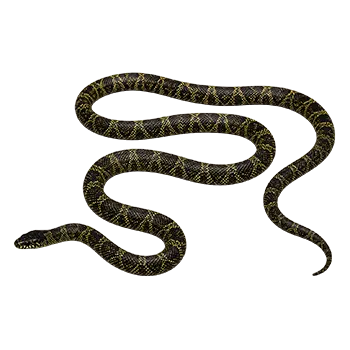
The Desert Kingsnake has established itself as one of the most photographed snake species in the American Southwest, owing to a combination of visual appeal, relative accessibility, and cooperative behavior in the presence of photographers. The species' bold pattern of dark ground color overlaid with bright yellow or cream speckling creates a high-contrast subject that reproduces well across photographic media, from large-format prints to smartphone images shared on social platforms. Wildlife photographers working in the Sonoran and Chihuahuan Desert regions frequently encounter Desert Kingsnakes during field work and have produced an extensive body of imagery documenting the species in its natural habitat.

Professional reptile photographers have devoted particular attention to the Desert Kingsnake, recognizing its photogenic qualities and its willingness to remain relatively composed during the close approaches that high-quality macro and portrait photography require. Images of Desert Kingsnakes have appeared in major wildlife photography publications, field guides, and natural history reference works, contributing to the visual language through which the general public understands and recognizes the species. The annual contests and exhibitions organized by wildlife photography organizations have featured winning entries depicting Desert Kingsnakes in dramatic desert landscapes, their patterned bodies contrasting with the warm tones of sandstone, red earth, and dried vegetation.

Beyond photography, the Desert Kingsnake has appeared as a subject in the visual arts traditions of the American Southwest. Painters, illustrators, and printmakers working within the rich artistic heritage of the desert Southwest have depicted the species alongside other iconic elements of the regional landscape. Natural history illustration, a discipline with deep roots in the scientific documentation of biodiversity, has produced detailed renderings of the Desert Kingsnake for use in field guides, taxonomic publications, and museum displays. These illustrations serve both scientific and aesthetic purposes, communicating morphological details with a precision that photography sometimes cannot match while also celebrating the animal's visual elegance.

The species has also appeared in the functional and decorative arts of the Southwest, from ceramic work and textile design to jewelry and metalwork that draws on the region's distinctive artistic vocabulary. While rattlesnake imagery dominates the snake-related visual culture of the Southwest, the kingsnake's distinctive speckled pattern has been recognized by artists and artisans as a design element with its own aesthetic appeal. Contemporary artists working at the intersection of natural history and fine art have explored the Desert Kingsnake as a subject that embodies the beauty and ecological complexity of the desert environment.

Social Media & Online Communities

The rise of social media has transformed the Desert Kingsnake's cultural visibility, bringing the species to the attention of audiences far beyond the geographic range it occupies and the specialized herpetoculture community that traditionally championed it. Platforms built around visual content have proven particularly effective vehicles for kingsnake imagery, as the species' striking appearance translates powerfully to the short-form, image-driven formats that dominate contemporary online engagement. Reptile keepers, wildlife photographers, and field herpers regularly share images and videos of Desert Kingsnakes that accumulate substantial viewership and engagement.

The herpetoculture community's online presence has been a primary driver of Desert Kingsnake visibility on social platforms. Breeders use social media accounts to showcase their breeding projects, announce clutch hatches, and display the range of color and pattern morphs available in the species. These accounts function simultaneously as marketing channels, community-building platforms, and educational resources, introducing followers to the biology and husbandry of the species while generating commercial interest in captive-bred animals. The visual appeal of kingsnake morphs, particularly the high-yellow and hypomelastic variants, generates consistent engagement across platforms.

Field herping, the recreational pursuit of finding and observing reptiles and amphibians in their natural habitats, has emerged as a significant subcultural phenomenon with a robust online presence. Desert Kingsnakes are prized finds for field herpers working in the American Southwest, and the discovery of a kingsnake during a herping excursion is typically documented with photographs and detailed locality notes that are shared within online herping communities. These field observations contribute to a crowdsourced distribution database that supplements formal scientific surveys and provides real-time data on species occurrence patterns across the landscape.

Video content featuring Desert Kingsnakes has found substantial audiences on major video-sharing platforms. Channels dedicated to reptile keeping, wildlife education, and field herpetology regularly produce videos featuring the species, ranging from detailed care guides and feeding demonstrations to field footage of wild encounters and breeding project updates. Some of these channels have built audiences numbering in the hundreds of thousands, giving the Desert Kingsnake a level of media exposure that would have been inconceivable before the digital era and introducing the species to viewers across the globe who have no direct connection to the American Southwest.

Educational Outreach & Zoo Programs

The Desert Kingsnake serves as one of the most widely used ambassador species in reptile education programs across the United States, a role that leverages both the species' inherently engaging biology and its practical suitability for educational settings. Zoos, nature centers, wildlife museums, and educational outreach organizations throughout the Southwest and beyond maintain Desert Kingsnakes specifically for use in public programs, school visits, and community events designed to build understanding and appreciation of reptiles and desert ecosystems.

The species' value as an educational animal stems from a convergence of qualities that few other snakes combine as effectively. Its manageable size makes it appropriate for display and handling in settings where space and handler experience may be limited. Its generally placid temperament reduces the likelihood of defensive behavior during the sometimes unpredictable conditions of live animal presentations. Its dramatic dietary habits, particularly its consumption of rattlesnakes, provide educators with a compelling narrative hook that captures audience attention and opens discussions of predator-prey ecology, venom resistance, and the roles that different species play in maintaining ecosystem balance.

Major zoological institutions within the Desert Kingsnake's native range have developed interpretive programs that use the species to tell broader stories about Southwestern desert ecology. The Arizona-Sonora Desert Museum in Tucson, the Albuquerque BioPark, and the El Paso Zoo, among others, maintain Desert Kingsnakes in their living collections and feature the species in both static exhibits and dynamic educational presentations. These programs contextualize the kingsnake within the complex web of ecological relationships that characterize desert communities, using the species as an entry point for discussions of habitat adaptation, thermoregulation, reproductive strategies, and the conservation challenges facing arid-land wildlife.

Beyond institutional settings, the Desert Kingsnake plays a significant role in community-level wildlife education conducted by local herpetological societies, nature clubs, and individual educators. Volunteer educators bring captive kingsnakes to schools, libraries, scout meetings, and community festivals, providing direct encounters with a living snake that often represent a viewer's first positive interaction with a reptile. These grassroots educational efforts are widely credited within the herpetological community as essential contributors to shifting public attitudes toward snakes, replacing fear and hostility with curiosity and respect through the simple but powerful experience of meeting a calm, beautiful animal face to face.

Print Media & Field Guide Legacy

The Desert Kingsnake holds a secure and prominent position in the print media landscape of North American herpetology, appearing in virtually every major field guide, regional reptile atlas, and natural history reference work covering the reptiles of the United States and Mexico. From Roger Conant and Joseph Collins' foundational Peterson Field Guide to Reptiles and Amphibians through contemporary digital-era field guides, the species has been consistently featured with detailed species accounts, range maps, and photographic or illustrated plates that serve as primary identification resources for both amateur naturalists and professional herpetologists.

The species' representation in field guide literature reflects its significance within the broader kingsnake complex and its importance as a member of the Southwestern reptile community. Field guide authors have devoted careful attention to distinguishing the Desert Kingsnake from sympatric species that might be confused with it, including the Sonoran Mountain Kingsnake, various milksnake populations, and the juvenile patterns of species such as the Coachwhip. These identification discussions have shaped the way that naturalists perceive and categorize the species in the field, establishing visual and geographic recognition criteria that have become standard knowledge within the herpetological community.

Beyond field guides, the Desert Kingsnake appears regularly in the periodical literature of herpetoculture and herpetology. Hobby magazines and journals dedicated to reptile keeping have published numerous articles on Desert Kingsnake care, breeding, and morph development over the past several decades, creating a body of accessible literature that supplements the more technical treatments found in academic journals. Scientific publications in journals of herpetology, ecology, and systematics have documented the species' distribution, genetics, behavior, and ecological relationships, contributing to a comprehensive scientific literature that informs both research and management decisions.

The species has also featured in regional natural history books, desert ecology texts, and popular science works aimed at general audiences interested in the wildlife of the American Southwest. These publications introduce the Desert Kingsnake to readers who may not seek out specialized herpetological literature but who encounter the species within broader narratives of desert life, Southwestern natural history, or the ecological wonders of North America. The cumulative effect of this print presence is a species that occupies a well-established niche in the public consciousness of the Southwest, recognized and regarded positively by audiences ranging from dedicated herpetologists to casual hikers encountering their first snake on a desert trail.

Always consult a qualified professional before making any health-related decisions. This content is provided for informational reference only and should not replace professional guidance specific to your animal.