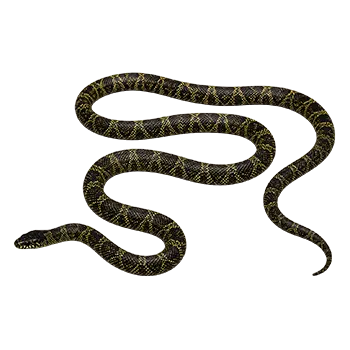

The legal status of the Desert Kingsnake at the federal level in the United States is shaped primarily by its classification under the Endangered Species Act and the Lacey Act, the two principal federal statutes governing wildlife protection and trade. As of the current regulatory period, the Desert Kingsnake (Lampropeltis splendida) is not listed as threatened or endangered under the Endangered Species Act, nor has it been proposed for listing. This means that the species does not receive the specific protections afforded to listed species, such as prohibitions on take, habitat destruction restrictions, or mandatory recovery planning. However, its status outside the ESA framework does not mean that it exists in a regulatory vacuum at the federal level.
The Lacey Act, originally enacted in 1900 and substantially amended on multiple occasions since, prohibits the interstate transport of wildlife taken in violation of state, tribal, or foreign law. For the Desert Kingsnake, this means that any animal collected illegally under the laws of its state of origin cannot be legally transported across state lines, sold in interstate commerce, or shipped through federal mail or commercial carriers. The Lacey Act effectively extends the reach of state wildlife regulations to the national level, ensuring that a collector who takes a kingsnake in violation of Arizona's bag limits, for example, faces federal as well as state penalties if the animal enters interstate commerce.
The Desert Kingsnake is also not currently subject to the restrictions imposed by the Lacey Act's injurious wildlife provisions, which allow the U.S. Fish and Wildlife Service to prohibit the importation and interstate transport of species deemed injurious to human health, agriculture, or native wildlife. These provisions have been applied to several large constrictor species, including Burmese Pythons and certain anaconda species, but the Desert Kingsnake's native status, moderate size, and lack of established invasive populations outside its natural range have kept it well clear of injurious wildlife designations.
At the international level, the Desert Kingsnake is not listed under the Convention on International Trade in Endangered Species of Wild Fauna and Flora (CITES), which regulates the cross-border commercial trade of species at risk of overexploitation. The absence of a CITES listing means that international trade in Desert Kingsnakes is not subject to the permit requirements and quotas that apply to CITES-listed species. However, individual countries may impose their own import and export regulations on reptiles regardless of CITES status, and keepers or breeders engaged in international transactions must verify the specific requirements of both the exporting and importing nation.