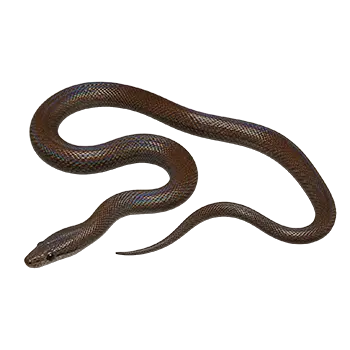

Transporting a Colombian Rainbow Boa safely requires advance planning that accounts for the species' tropical origins, its sensitivity to environmental fluctuations, and the stress that travel inevitably places on a captive reptile. The first step in any transport scenario is to assess the health and condition of the animal. Snakes that are in the process of shedding, that have recently fed within the past 48 to 72 hours, or that are showing signs of illness should not be transported unless the journey is medically necessary, as the physiological demands of digestion, ecdysis, and immune response are all compounded by the additional stress of confinement and movement.
The choice of transport container is critical to the safety and well-being of the Colombian Rainbow Boa during transit. For short trips, a clean cloth bag such as a pillowcase or purpose-made snake bag, placed inside a rigid, ventilated container, provides a secure and stress-reducing environment. The cloth bag restricts the snake's movement and limits visual stimulation, both of which help to minimize stress, while the outer rigid container protects the animal from impacts, crushing, and temperature extremes. For larger specimens, purpose-built reptile transport boxes with secure latching mechanisms and adequate ventilation holes offer a more structured solution.
Temperature management is a paramount concern when transporting a Colombian Rainbow Boa. As a tropical species adapted to a relatively narrow range of ambient temperatures, Epicrates maurus is vulnerable to both hypothermia and hyperthermia during transit. The target temperature range for transport is generally between 75 and 85 degrees Fahrenheit, and keepers must plan their travel timing and route to avoid exposing the animal to temperatures outside this window. In cold weather, commercially available heat packs designed for reptile shipping can be placed inside the outer transport container, separated from the snake by a layer of material to prevent direct contact burns. In hot weather, travel should be scheduled during the cooler hours of the day, and the transport container should never be left in a parked vehicle where temperatures can rise to lethal levels within minutes.
Humidity considerations, while less immediately critical during short transports than temperature, should not be overlooked for longer journeys. The Colombian Rainbow Boa thrives in moderate to high humidity, and extended exposure to dry conditions during transport can contribute to dehydration and respiratory irritation. Lightly dampening the substrate or lining material inside the transport bag, without creating standing water, helps maintain adequate moisture levels during transit. Keepers should also ensure that a water source is available immediately upon arrival at the destination, as rehydration is one of the most important post-transport recovery measures for any tropical snake.