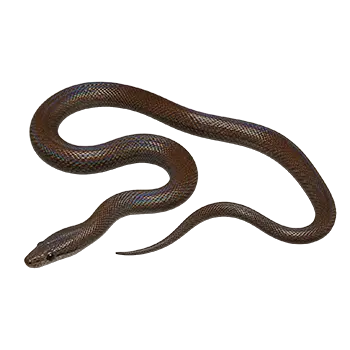

Wildlife Documentaries & Television

The Colombian Rainbow Boa has appeared in a number of wildlife documentaries and television programs over the past several decades, though it has rarely been the sole focus of a production. Its screen appearances typically occur within broader programming about neotropical biodiversity, South American ecosystems, or the diversity of boid snakes worldwide. When featured, the species' iridescent scales invariably become the visual centerpiece, as filmmakers exploit the play of light across the animal's body to create striking sequences that illustrate the phenomenon of structural coloration in reptiles.

Nature documentary series covering the tropical forests and savannas of Colombia and Venezuela have periodically included footage of wild Colombian Rainbow Boas in their natural habitat, capturing the snakes hunting along riverbanks, coiled in tree hollows, or navigating the leaf litter of forest floors. These sequences, while often brief, have introduced international audiences to a species that might otherwise remain unknown outside the herpetological community. The visual drama of the rainbow boa's iridescence translates exceptionally well to high-definition and ultra-high-definition video formats, and advances in camera technology have allowed filmmakers to capture the spectral colors of the snake's scales with a fidelity that earlier generations of wildlife cinematography could not achieve.

Television programs focused on the reptile-keeping hobby and the exotic pet trade have also featured the Colombian Rainbow Boa with some regularity. Shows profiling reptile breeders, exotic animal dealers, and reptile expos have included segments on rainbow boas as examples of the visually spectacular animals available within the captive reptile market. These appearances have contributed to the species' visibility among a general audience that might not otherwise encounter information about boid snakes, though they have also occasionally sparked debate within the herpetological community about whether media portrayals adequately convey the commitment and expertise required to keep these animals responsibly.

Educational programming aimed at younger audiences has embraced the Colombian Rainbow Boa as a tool for teaching about reptile biology, adaptation, and the physics of light and color. The species' structural iridescence provides an accessible and visually compelling example of how physical structures at the microscopic scale can produce vivid optical effects without the use of chemical pigments. Several science-oriented children's programs have used close-up footage of rainbow boa scales to introduce concepts in optics and evolutionary biology, making the species a minor but recurring presence in educational media.

Photography & Visual Arts

The Colombian Rainbow Boa is one of the most frequently photographed snake species in the world, a distinction driven almost entirely by the visual spectacle of its iridescent scales. Wildlife photographers, herpetoculture enthusiasts, and professional studio photographers have all been drawn to the challenge and reward of capturing the species' shifting colors on camera, and the resulting body of imagery has become a significant part of the animal's cultural footprint. The interplay of light, angle, and scale texture that produces the rainbow boa's characteristic shimmer demands technical skill and patience from photographers, who must carefully manage lighting conditions to reveal the full spectrum of iridescent color.

Professional wildlife photographers working in the field across northern South America have produced notable images of Colombian Rainbow Boas in natural settings, capturing the animals against the rich greens and browns of tropical forest floors or the dappled light of riverine vegetation. These photographs serve both aesthetic and scientific purposes, appearing in field guides, natural history publications, and conservation materials alongside their use in galleries and exhibitions. The challenge of photographing iridescence in natural light, where conditions are variable and the snake's movements cannot be controlled, has produced some of the most celebrated and technically accomplished reptile photographs in the genre.

Within the herpetoculture community, photography of Colombian Rainbow Boas has become a pursuit in its own right, with keepers investing in specialized lighting equipment and macro lenses to document the minute details of their animals' scale structure and coloration. Online galleries and social media accounts dedicated to reptile photography regularly feature rainbow boas, and the species consistently ranks among the most shared and admired subjects in reptile photography forums. This grassroots visual culture has helped establish the Colombian Rainbow Boa's identity as one of the hobby's most photogenic species, reinforcing its appeal to potential keepers and broadening its recognition among audiences who might never encounter the animal in person.

Beyond photography, the Colombian Rainbow Boa has inspired visual artists working in a range of media. Painters, digital illustrators, and textile designers have drawn on the species' coloration and form to create works that explore themes of natural beauty, structural color, and the aesthetic richness of the neotropical fauna. The rainbow boa's sinuous body and shifting hues lend themselves to artistic interpretation in ways that few other reptile species can match, and the animal has appeared in gallery exhibitions, public murals, and decorative arts projects across both its native range and the international art world.

Social Media & Digital Presence

The rise of social media platforms and digital content creation has dramatically expanded the Colombian Rainbow Boa's cultural visibility over the past decade. On platforms built around visual content, the species has found an enthusiastic and rapidly growing audience drawn to the mesmerizing quality of its iridescent scales captured in video and photography. Short-form video content featuring Colombian Rainbow Boas has accumulated millions of views across major platforms, with clips of the snakes moving under controlled lighting to reveal their full spectrum of structural color proving particularly popular among both reptile enthusiasts and general audiences.

Reptile-focused content creators on video and streaming platforms have played a significant role in shaping public perceptions of the Colombian Rainbow Boa. Channels dedicated to reptile husbandry, species profiles, and the day-to-day experience of keeping exotic animals frequently feature the species in care guides, unboxing and feeding videos, and educational content about boid biology. These creators, many of whom maintain large and engaged audiences, have helped demystify the Colombian Rainbow Boa for viewers who might otherwise associate all snakes with danger or revulsion, presenting the animal as an accessible and rewarding species for responsible keepers.

The Colombian Rainbow Boa has also become a staple of the broader online discourse about exotic pet keeping and animal welfare. Social media discussions about the species frequently address topics such as the ethics of the reptile trade, the responsibilities of snake ownership, and the distinction between captive-bred and wild-caught animals. These conversations, while sometimes contentious, have contributed to a more informed and nuanced public understanding of the Colombian Rainbow Boa and the broader issues surrounding the keeping of non-domesticated animals as pets.

The digital sphere has additionally provided a platform for conservation messaging related to the Colombian Rainbow Boa and its habitat. Environmental organizations, herpetological societies, and individual advocates use social media to raise awareness about the threats facing neotropical snake species and to highlight the ecological importance of the forests and wetlands that the rainbow boa inhabits. The species' photogenic qualities make it an effective ambassador for these conservation messages, as images and videos of iridescent rainbow boas attract attention and engagement from audiences that might not respond to less visually compelling conservation content.

Literature & Publishing

The Colombian Rainbow Boa's presence in published literature spans a range of genres, from academic herpetology and natural history writing to popular science, field guides, and the specialized publications of the reptile-keeping hobby. While the species has not been the subject of a dedicated popular book in the way that some more culturally prominent snakes have, it appears regularly in comprehensive works on boid snakes, neotropical herpetofauna, and the biology of structural coloration, where its iridescent scales serve as a key example of how physical nanostructures can produce vivid optical effects in the animal kingdom.

Field guides covering the reptiles and amphibians of Colombia, Venezuela, Trinidad and Tobago, and the Guianas consistently include the Colombian Rainbow Boa, providing descriptions of its morphology, habitat preferences, and geographic distribution alongside photographs or illustrations that aim to capture the distinctive quality of its iridescent scales. These guides serve both professional herpetologists and amateur naturalists, and their treatment of the species has evolved over time to reflect advances in taxonomy, with older editions identifying the animal as a subspecies of Epicrates cenchria and more recent publications recognizing it under its current binomial Epicrates maurus.

Within the herpetoculture publishing world, the Colombian Rainbow Boa has been the subject of numerous care guides, husbandry articles, and breeding reports published in specialty magazines and online journals. These publications address the practical aspects of keeping the species in captivity, covering topics such as enclosure design, temperature and humidity management, dietary requirements, and reproductive biology. The cumulative body of herpetoculture literature on the Colombian Rainbow Boa represents a significant resource for current and prospective keepers, and its quality has improved markedly over the decades as the hobby has matured and standards of evidence and documentation have risen.

The species also appears in the broader genre of popular science writing about color in nature. Books and articles exploring the physics and biology of structural coloration frequently cite the rainbow boa genus as a compelling example of how evolution has produced vivid visual effects through the manipulation of physical structures at the nanoscale rather than through chemical pigments. These accounts place the Colombian Rainbow Boa within a broader narrative about the diversity of color-producing mechanisms in the natural world, connecting it to phenomena as varied as butterfly wing scales, beetle elytra, and the feathers of hummingbirds.

Zoos, Education Programs & Live Exhibitions

The Colombian Rainbow Boa is a popular exhibit animal in zoos, aquariums, nature centers, and educational outreach programs around the world. Its manageable size, generally calm temperament, and visually striking appearance make it an ideal candidate for both static displays and hands-on educational encounters, and the species is represented in the collections of numerous major zoological institutions across North America, Europe, and its native South American range. In these settings, the rainbow boa serves as an ambassador for neotropical biodiversity, introducing visitors to the ecological richness of the forests and wetlands of northern South America.

Educational programs that incorporate live Colombian Rainbow Boas benefit from the species' unique combination of visual appeal and behavioral tractability. The iridescent quality of the snake's scales provides an immediate point of engagement for audiences of all ages, while its calm response to handling allows educators to present the animal in close-up encounters that break down the fear and misconceptions that many people associate with snakes. Outreach programs operated by zoos, herpetological societies, and independent educators use Colombian Rainbow Boas to teach about reptile biology, the importance of biodiversity, and the principles of responsible wildlife stewardship.

Reptile expos and hobbyist conventions represent another significant venue for public encounters with the Colombian Rainbow Boa. These events, which draw thousands of attendees across North America and Europe each year, feature live animals alongside vendors, educational presentations, and opportunities for direct interaction with breeders and experienced keepers. The Colombian Rainbow Boa is a consistent presence at these gatherings, both as a species offered for sale by captive breeders and as a display animal in educational exhibits. The expo environment provides a context in which the animal's visual qualities can be appreciated up close and in controlled lighting conditions that highlight its iridescence to maximum effect.

The species' role in formal and informal education extends into the digital realm through virtual zoo tours, livestreamed feeding and handling sessions, and online educational modules produced by zoological institutions. These digital programs have expanded the Colombian Rainbow Boa's audience well beyond the physical reach of the institutions that house the animals, introducing the species to viewers in regions where neither wild nor captive rainbow boas are present. The combination of in-person and digital educational programming has established the Colombian Rainbow Boa as one of the most widely encountered snake species in global wildlife education.

Influence on Herpetoculture Aesthetics & Broader Culture

The Colombian Rainbow Boa has exerted a subtle but meaningful influence on the aesthetic sensibilities of the herpetoculture community and, through it, on broader cultural attitudes toward snakes and reptile keeping. The species' iridescent scales have set a standard for visual appeal within the hobby that has shaped consumer preferences, breeding goals, and the visual language used to market and discuss captive reptiles. The concept of iridescence as a desirable trait in captive snakes, while not unique to the rainbow boa, has been powerfully reinforced by the species' consistent popularity and its prominent presence in the visual culture of the hobby.

Within the herpetoculture community, the Colombian Rainbow Boa occupies a niche that balances accessibility and exoticism. It is neither so common as to be unremarkable nor so rare or challenging as to be beyond the reach of dedicated hobbyists, and this middle position has made it a species around which a devoted community of keepers and breeders has formed. This community has produced its own cultural artifacts, including specialized forums, social media groups, breeder networks, and annual events, that contribute to the broader culture of reptile keeping and help define the identity of herpetoculture as a pursuit distinct from conventional pet ownership.

The species' influence extends beyond the herpetoculture community into the broader cultural discourse about human relationships with non-domesticated animals. The Colombian Rainbow Boa's popularity as a captive animal has contributed to ongoing conversations about the ethics of keeping wild-type species in private collections, the conservation implications of the reptile trade, and the potential for captive breeding programs to support or undermine wild population conservation. These discussions, conducted in academic journals, popular media, legislative hearings, and online forums, reflect the species' capacity to catalyze broader reflection on the terms of human engagement with the natural world.

In the realm of design and fashion, the distinctive pattern and iridescent quality of rainbow boa scales have served as inspiration for textile prints, jewelry designs, and surface treatments that seek to replicate the optical effects of structural coloration. While these applications rarely reference the Colombian Rainbow Boa by name, the species' contribution to the broader cultural vocabulary of natural pattern and color is evident in the recurring appearance of rainbow-boa-inspired motifs in commercial and artistic design. This diffuse cultural influence represents one of the less visible but more pervasive ways in which the species has shaped human aesthetic experience beyond the confines of herpetology and herpetoculture.

Always consult a qualified professional before making any health-related decisions. This content is provided for informational reference only and should not replace professional guidance specific to your animal.