
Car Travel

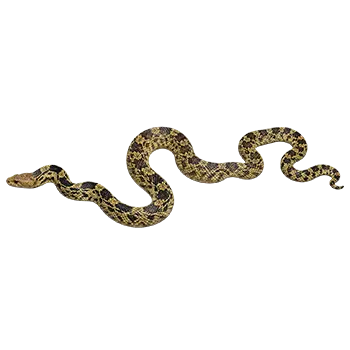
Transporting a Bull Snake by car is the most common and practical method for most keepers. Whether you are bringing a new animal home from a breeder, taking your snake to a veterinary appointment, or relocating to a new residence, a few basic precautions will ensure the trip goes smoothly for both you and your snake.

The most important piece of equipment for car travel with a Bull Snake is a secure, escape-proof container. A sturdy plastic tub with a locking or tightly fitting lid is the standard choice. The container should be large enough for the snake to rest comfortably but small enough that the animal feels secure — snakes generally travel better in snug spaces than in large, open containers. Drill small ventilation holes in the sides of the tub, and line the bottom with crumpled newspaper or paper towels to provide traction and absorb any waste.

Temperature management is critical during car travel. Bull Snakes are tolerant of a reasonable range of temperatures, but they should not be exposed to extremes. In cold weather, a chemical hand warmer wrapped in cloth and placed inside the container can prevent dangerous chilling. In hot weather, never leave the container in a parked car, as interior temperatures can rise to lethal levels within minutes. Keep the container in the climate-controlled passenger compartment of the vehicle, not in the trunk.

For long-distance drives, minimize stops and avoid unnecessary opening of the container. Bull Snakes do not need to eat or drink during transit for trips of a day or less. If the journey spans multiple days, offer water during overnight stops but avoid feeding until the snake has reached its destination and had time to settle in. Reducing stress during transport helps prevent regurgitation and other health complications.

Air Travel

Air travel with a Bull Snake is considerably more complicated than car travel and is subject to numerous restrictions from airlines, airports, and government agencies. Most commercial airlines do not allow snakes in the passenger cabin under any circumstances, and many do not accept them as checked baggage or cargo either. Keepers who need to transport a Bull Snake by air will typically need to use a specialized live animal shipping service.

Specialized reptile shipping services operate throughout the United States and handle the logistics of transporting snakes via overnight air cargo. These services use insulated shipping containers with heat or cold packs as needed, and they schedule shipments to avoid extreme weather conditions at both the origin and destination. Reputable shippers monitor weather forecasts carefully and will delay shipments if conditions at any point along the route could endanger the animal.

When shipping a Bull Snake via air cargo, the animal must be securely contained in an escape-proof, ventilated container that meets the carrier's live animal shipping requirements. The container is typically placed inside an insulated box with appropriate thermal regulation. Labeling requirements include clear identification of the contents as a live, harmless reptile, along with handling instructions and contact information for both the shipper and the recipient.

International air transport of Bull Snakes involves additional layers of regulation, including export permits, veterinary health certificates, and compliance with the destination country's import requirements. Keepers planning international moves should begin the permitting and documentation process well in advance, as some applications can take weeks or months to process.

Pet-Friendly Accommodations

Finding accommodations that welcome snake owners is one of the more challenging aspects of traveling with a Bull Snake. The vast majority of hotels, motels, and vacation rentals have pet policies that either explicitly exclude reptiles or are limited to dogs and cats. Even properties that advertise themselves as pet-friendly may not extend that welcome to snakes, so it is essential to confirm the specific policy before booking.

When contacting accommodations, be direct and specific about the animal you are traveling with. Describe the Bull Snake as a nonvenomous pet snake kept in a secure, enclosed container. Some property managers will accommodate reptile owners on a case-by-case basis, particularly if they understand that the animal will remain contained and will not come into contact with other guests or the property's furnishings.

For extended trips or relocations, renting a private home or apartment through a vacation rental platform may provide more flexibility than traditional hotels. Private owners are sometimes more open to negotiating pet policies, and the privacy of a standalone rental eliminates concerns about encounters with other guests. Always disclose the presence of a snake in writing before booking to avoid disputes upon arrival.

Regardless of the accommodation type, responsible snake owners should take precautions to prevent escapes and maintain cleanliness. Keep the snake in its secure travel container at all times when not being directly supervised, and clean up any waste promptly. Leaving a positive impression as a responsible reptile owner helps improve the prospects for future snake-owning travelers at the same property.

Boarding & Pet Sitting

When travel plans do not allow you to bring your Bull Snake along, arranging reliable care at home is often the best option. Bull Snakes are relatively low-maintenance animals that can be left in their enclosures for short periods with appropriate preparation. For trips of a few days, a well-established adult Bull Snake with access to fresh water and stable environmental conditions may not require a dedicated caretaker.

For longer absences, arranging a pet sitter is advisable. The ideal sitter is someone with reptile experience who can monitor enclosure temperatures, provide fresh water, feed the snake on its regular schedule, and recognize signs of illness or distress. Fellow reptile keepers, herpetological society members, and specialized exotic pet sitting services are all good resources for finding qualified care.

Professional reptile boarding facilities exist in some areas and offer an alternative to in-home pet sitting. These facilities typically maintain proper temperature and humidity controls, follow established feeding protocols, and have staff experienced with a variety of reptile species. Boarding rates for snakes are generally lower than for dogs or cats, reflecting the lower level of daily hands-on care required.

When preparing for a pet sitter or boarding arrangement, provide detailed written care instructions specific to your Bull Snake. Include information about the animal's feeding schedule, preferred prey size, water change routine, temperature gradient requirements, and any behavioral quirks that the caretaker should be aware of. Leave contact information for your reptile veterinarian in case of an emergency, and ensure the sitter knows how to reach you during your trip.

Emergency Preparedness

Emergency preparedness is an often-overlooked aspect of Bull Snake ownership, but natural disasters, power outages, and other unexpected events can create serious risks for reptiles that depend on electrically powered heating systems. Developing an emergency plan for your Bull Snake before a crisis occurs is an important part of responsible ownership.

The most immediate threat during most emergencies is loss of heat. Bull Snakes require supplemental heating to maintain proper body temperature and digestive function, and an extended power outage during cold weather can be dangerous. Keepers should maintain a supply of chemical heat packs, insulated containers, and blankets or towels that can be used to maintain safe temperatures for the snake during a power failure. A battery-powered thermometer allows monitoring of conditions inside the enclosure or temporary container.

In evacuation scenarios, having a pre-assembled snake transport kit is invaluable. This kit should include a secure, escape-proof container, heat packs, a water dish, paper towels, and a copy of the snake's care records. Knowing where you will go in an evacuation and confirming that your emergency destination can accommodate a snake will save critical time when minutes matter.

Keepers should also consider the social dimensions of emergency preparedness. Not all emergency shelters accept animals, and those that do may not welcome reptiles. Identifying reptile-friendly boarding facilities, friends or family members willing to house the animal temporarily, and local herpetological society members who might offer emergency fostering are all worthwhile steps. Having these contacts established before an emergency arises ensures that your Bull Snake will not be left behind when you need to move quickly.

Always consult a qualified professional before making any health-related decisions. This content is provided for informational reference only and should not replace professional guidance specific to your animal.