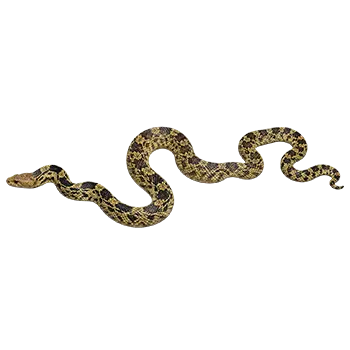

The Bull Snake is a nonvenomous, native North American species, and it is generally legal to keep in most jurisdictions across the United States. Unlike large constrictors such as Burmese Pythons or venomous species that face widespread restrictions, Bull Snakes benefit from being both harmless to humans and native to the continent. However, the legal landscape for reptile ownership is a patchwork of federal, state, and local regulations, and keepers should verify the rules that apply in their specific location.
At the federal level, Bull Snakes are not listed under the Endangered Species Act, nor are they included in the Lacey Act's list of injurious wildlife. This means there are no federal prohibitions on interstate commerce or private ownership of the species. However, wild-caught Bull Snakes may be subject to state wildlife collection regulations, and transporting wild-caught animals across state lines can trigger additional legal requirements.
Some states regulate the collection of native reptile species from the wild, and Bull Snakes may be included in these protections. States with broad native wildlife protection statutes may require permits for collecting Bull Snakes from wild populations, even though captive-bred animals can typically be bought and sold without restriction. The distinction between wild-caught and captive-bred animals is an important one for keepers to understand.
In Canada, where the Bull Snake's range is limited to the southern prairies of Alberta and Saskatchewan, the species may receive additional protections as a species of conservation concern. Provincial wildlife regulations in these areas typically restrict or prohibit the collection of wild Bull Snakes, and keepers interested in the species should consult their provincial wildlife authority for current rules.