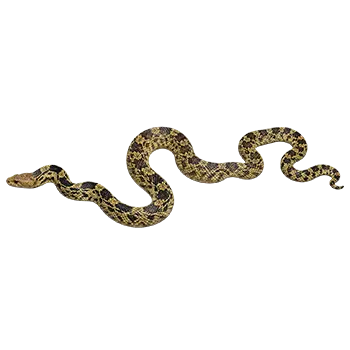

The Bull Snake has made frequent appearances in film and television, though often without receiving proper credit for the role. Because of their large size, bold patterning, and relative ease of handling compared to venomous species, Bull Snakes and their close relatives in the Pituophis genus have long been favorites of animal wranglers working in the entertainment industry. When a script calls for a menacing-looking but safe-to-handle snake, a Bull Snake or Pacific Gopher Snake is often the animal that ends up on set.
In nature documentaries and wildlife television programs, the Bull Snake frequently appears in segments about Great Plains ecology, rattlesnake mimicry, and predator-prey dynamics. Its dramatic defensive display — featuring loud hissing, body inflation, and tail vibration — provides visually and aurally compelling footage that editors and producers value highly. Several well-known nature documentary series have featured segments specifically dedicated to the Bull Snake's bluffing behavior and its effectiveness at deterring predators.
The species has also appeared in educational children's programming focused on wildlife and conservation. Its role as a harmless snake that looks and acts dangerous makes it an ideal teaching subject for programs designed to help young audiences understand the difference between venomous and nonvenomous species. Wildlife educators appearing on television frequently bring Bull Snakes as demonstration animals because of their impressive size and manageable temperament.
In fictional film and television, Bull Snakes are occasionally used as stand-ins for other species, including venomous snakes. Their size, availability, and handleability make them practical choices for productions that need snake footage but cannot or choose not to work with genuinely dangerous animals.