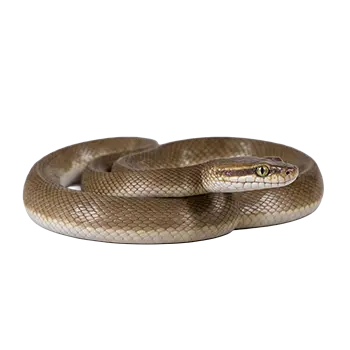

Pre-Travel Planning & Preparation

Successful transport of a Brown House Snake begins well before the journey itself, with careful planning that accounts for the animal's physiological needs, the logistical requirements of the chosen transport method, and the legal obligations that may apply to the movement of a live reptile. Whether the trip involves a short drive to a veterinary appointment, a cross-country relocation, or an international shipment from a breeder to a buyer, thorough preparation is the single most important factor in ensuring that the snake arrives at its destination in good health and with minimal stress.

The timing of transport relative to the snake's feeding schedule is a critical consideration that is sometimes overlooked by inexperienced keepers. Brown House Snakes should not be transported with a recent meal in their digestive tract, as the combination of physical movement, temperature fluctuation, and physiological stress can lead to regurgitation, which is both a welfare concern for the animal and a health risk that can have lasting consequences for digestive function. A minimum fasting period of three to five days following the last feeding is generally recommended before any transport event, with longer fasting periods advisable for extended journeys or shipments involving significant temperature exposure.

Documentation requirements should be investigated and satisfied well in advance of the planned travel date. Depending on the origin, destination, and method of transport, the movement of a Brown House Snake may require health certificates issued by a licensed veterinarian, permits from state or provincial wildlife authorities, customs declarations, or compliance with carrier-specific paperwork requirements. Attempting to assemble these documents at the last minute can result in delays, missed shipping deadlines, or outright refusal of the animal at checkpoints, and the stress of an extended delay is far more harmful to the snake than the inconvenience of early preparation is to the keeper.

A pre-travel health assessment by a reptile-experienced veterinarian is strongly recommended for any journey of significant duration or complexity. The veterinarian can evaluate the snake's overall condition, check for signs of illness or parasitic infection that could be exacerbated by travel stress, and provide the health certificates that many carriers and jurisdictions require. This veterinary visit also provides an opportunity to discuss any species-specific considerations that should inform the transport plan, such as the Brown House Snake's particular sensitivity to temperature extremes or its tendency to seek tight, enclosed hiding spaces when stressed.

Container Selection & Setup

The transport container is the snake's entire environment for the duration of the journey, and its selection and preparation deserve the same careful attention that a keeper would give to setting up a permanent enclosure. For the Brown House Snake, which is a relatively small and slender species rarely exceeding four feet in total length, the ideal transport container provides security, adequate ventilation, thermal stability, and sufficient but not excessive space for the animal to adopt a comfortable resting position without being tossed about by vehicle movement.

Cloth snake bags made of breathable fabric such as unbleached cotton or linen remain the industry standard for short to medium duration snake transport and are widely used by breeders, dealers, and keepers attending reptile expos. The bag should be sized appropriately for the individual animal, large enough to allow the snake to coil comfortably but small enough that the animal feels securely contained. The bag must be tied securely at the top with a knot that cannot work loose during transit, and the tied bag should then be placed inside a rigid outer container such as a polystyrene foam box or a sturdy cardboard shipping box to provide insulation and physical protection.

For longer journeys or commercial shipments, purpose-built reptile shipping containers offer advantages over improvised setups. These containers, which are available from specialty reptile supply companies, are typically constructed from insulated polystyrene foam with secure closures and pre-cut ventilation holes sized to provide adequate air exchange without allowing the snake to escape or creating thermal instability. The interior dimensions should accommodate the cloth bag containing the snake with a small amount of surrounding space for insulating material such as crumpled newspaper, which serves both as additional cushioning and as a thermal buffer against external temperature fluctuations.

Regardless of the container type chosen, several universal principles apply to transport container setup for Brown House Snakes. The container must be escape-proof, as the species' slender build and exploratory nature make it capable of exploiting surprisingly small gaps or weak points in containment. Ventilation must be sufficient to prevent the buildup of carbon dioxide and moisture within the container but should not be so extensive that it compromises thermal stability. The container should be clearly labeled as containing a live reptile, with orientation arrows indicating the correct upright position, and any heat or cold packs used for temperature management should be positioned outside the snake bag and separated from the animal by an insulating layer to prevent direct contact burns or localized chilling.

Temperature Management During Transit

Temperature management is arguably the single most critical aspect of Brown House Snake transport, as the species' ectothermic physiology means that its body temperature, metabolic rate, and overall physiological function are directly determined by the temperature of its immediate environment. The Brown House Snake tolerates a moderate range of temperatures under normal conditions, with an optimal activity range of approximately twenty-five to thirty degrees Celsius, but exposure to temperatures outside this range during transit can rapidly lead to physiological stress, immune suppression, and in extreme cases, death.

Cold weather transport presents the most common temperature management challenge for Brown House Snake shipments, particularly during winter months in temperate climates. When ambient temperatures fall below approximately fifteen degrees Celsius, supplemental heat must be provided within the shipping container to prevent the snake from becoming dangerously chilled. Chemical heat packs designed for reptile shipping are the standard solution, and these should be activated, wrapped in newspaper or paper towel to prevent direct contact with the snake bag, and placed inside the insulated shipping container in a position that allows gentle warming of the interior air without creating localized hot spots. The duration rating of the heat pack should be matched to the expected transit time, with a safety margin to account for potential delays.

Hot weather transport requires equally careful management but presents different challenges. When ambient temperatures exceed approximately thirty-two degrees Celsius, the risk of overheating becomes a serious concern, particularly if the shipping container is exposed to direct sunlight or left in a stationary vehicle. Insulated containers help moderate the rate of temperature change, but they cannot prevent eventual equilibration with extreme external temperatures during prolonged exposure. Frozen gel packs or phase-change cooling packs can be used to lower container temperatures during hot weather shipments, but these must be deployed with caution, as excessive cooling can be as dangerous as overheating for a tropical species. The cooling element should be wrapped in insulating material and positioned to moderate the overall container temperature rather than creating a localized cold zone adjacent to the snake.

Digital temperature data loggers placed inside shipping containers provide valuable information about the thermal conditions experienced by the snake during transit. These inexpensive devices record temperature readings at regular intervals throughout the journey and allow the recipient to review the temperature profile upon arrival, identifying any periods of excessive heat or cold exposure that might warrant enhanced post-arrival monitoring. The use of data loggers is considered best practice for commercial shipments and long-distance transport and is increasingly adopted by conscientious hobbyist shippers as well.

Road Travel Best Practices

Road transport is the most common method by which Brown House Snakes are moved from one location to another, encompassing everything from routine veterinary visits and trips to reptile expos to cross-country relocations as part of a keeper's household move. The relative simplicity and direct control that road transport offers make it the preferred method for most situations, but safe execution still requires attention to several key factors that can influence the snake's welfare during the journey.

The transport container should be secured within the vehicle in a position that minimizes exposure to vibration, direct sunlight, and extreme temperatures. The floor of the passenger compartment, behind the front seats, is often the most stable and thermally moderate location in a standard passenger vehicle. The container should never be placed in the trunk or cargo area of a vehicle during hot weather, as these spaces can reach lethal temperatures within minutes when the vehicle is parked, and even during transit they tend to experience wider temperature swings than the passenger cabin. Similarly, the container should not be placed on a seat where it could shift or fall during sudden stops or turns, as the resulting physical impact could injure the snake.

The vehicle's climate control system should be used to maintain a comfortable and stable cabin temperature throughout the journey, with the keeper erring on the side of slightly warmer conditions rather than running air conditioning at levels that could chill the transport container. If the journey requires stops, the snake should never be left unattended in a parked vehicle for any length of time, as interior temperatures in parked cars can rise or fall to dangerous levels with startling speed. When stops are necessary, the keeper should either bring the transport container along or ensure that the vehicle's climate control system remains running.

For longer road journeys, periodic visual checks of the snake's condition are advisable, though these should be conducted quickly and with minimal disturbance. Opening the transport container briefly to verify that the snake is responsive, that the temperature inside the container feels appropriate to the touch, and that no obvious problems such as regurgitation or escape have occurred provides reassurance without subjecting the animal to excessive handling. These checks should be performed in a secure, enclosed space such as inside the vehicle with windows closed, as a stressed snake that escapes during a roadside check can be extremely difficult to recapture.

Brown House Snakes are generally well-suited to road transport due to their calm temperament and their tendency to remain quietly coiled within a dark, enclosed space for extended periods. Most individuals settle into a resting state shortly after being placed in a transport bag and show little distress during journeys of moderate duration. However, keepers should be aware that even a characteristically docile species can become defensive when stressed by unfamiliar stimuli such as engine vibration, sudden movement, or temperature fluctuation, and handling immediately upon arrival at the destination should be minimized to allow the snake time to decompress.

Air Travel & Commercial Shipping

Air transport of Brown House Snakes is governed by a complex set of regulations imposed by national aviation authorities, international shipping conventions, and the policies of individual airlines and cargo carriers. The International Air Transport Association publishes Live Animals Regulations that establish global standards for the air transport of live reptiles, including container specifications, labeling requirements, temperature tolerances, and documentation standards. Compliance with these regulations is mandatory for all commercial air shipments of live animals and is enforced by carrier personnel and aviation security authorities at every stage of the shipping process.

Most major passenger airlines do not permit live reptiles in the passenger cabin or as checked baggage, which means that air transport of Brown House Snakes typically must be arranged through dedicated cargo services or through specialty reptile shipping companies that have established relationships with air cargo carriers. These specialty shippers possess the expertise, facilities, and regulatory knowledge necessary to prepare compliant shipments, and their services, while representing an additional cost, substantially reduce the risk of delays, confiscations, or welfare compromises that can result from attempting to navigate the complex air cargo system independently.

The packaging requirements for air shipment of Brown House Snakes are more stringent than those for road transport and must conform to IATA Container Requirement specifications for live reptiles. The primary container, typically a cloth bag, must be enclosed within a rigid, escape-proof secondary container that meets specific structural, ventilation, and labeling standards. The secondary container must be clearly marked with live animal labels, orientation arrows, shipper and consignee contact information, and any additional markings required by the carrier or the destination country's import regulations. Temperature management provisions, including insulation and heat or cold packs as appropriate for the season, must be incorporated into the packaging in a manner that maintains safe temperatures throughout the expected transit duration plus a reasonable delay margin.

Domestic air shipment within countries such as the United States is generally more straightforward than international shipping, as it avoids the customs clearance, import permit, and quarantine requirements that can complicate cross-border movements. However, domestic shipments are still subject to carrier policies, weather embargoes that prevent shipping during temperature extremes, and any state or local regulations that may restrict the import of exotic reptile species into specific jurisdictions. Keepers planning domestic air shipments should contact the carrier or shipping service well in advance to confirm current policies, seasonal restrictions, and documentation requirements, as these can change with limited notice.

Post-Travel Acclimation & Health Monitoring

The period immediately following transport is a critical window for Brown House Snake welfare, and the practices adopted during this phase can significantly influence the animal's recovery from travel stress and its long-term health in its new environment. Even under optimal transport conditions, the experience of being removed from a familiar enclosure, confined in a transport container, subjected to movement and temperature variation, and placed in a new and unfamiliar setting represents a substantial physiological and psychological stressor for the snake. A structured post-travel acclimation protocol helps minimize the impact of this stress and supports the snake's return to normal behavioral and physiological function.

Upon arrival at the destination, the snake should be transferred from its transport container to a pre-prepared quarantine or acclimation enclosure as quietly and efficiently as possible. This enclosure should be set up in advance with appropriate temperature gradients, a secure hide, a water dish, and a substrate that facilitates easy monitoring of the snake's condition, such as paper towel or unprinted newspaper. The enclosure environment should be kept simple and clean during the acclimation period, with minimal decoration or complexity that might impede the keeper's ability to observe the snake's behavior, feeding response, and waste production.

Feeding should be withheld for a minimum of five to seven days following arrival to allow the snake's digestive system to recover from the stress-induced suppression that typically accompanies transport. When feeding is attempted, the initial meal should be smaller than the snake's normal ration, typically a prey item roughly two-thirds the diameter of the snake at its widest point, to reduce the risk of regurgitation. If the snake refuses the first feeding attempt, the keeper should wait an additional five to seven days before trying again, as premature or repeated feeding attempts in a stressed animal can establish a pattern of food refusal that is more difficult to resolve than the initial post-travel fast.

Health monitoring during the acclimation period should be attentive but minimally invasive. The keeper should observe the snake daily for signs of respiratory distress, abnormal posture, lethargy beyond what is normal for a recently transported animal, skin lesions, or unusual discharge from the mouth or cloaca. Any of these signs warrant veterinary consultation, particularly if they persist beyond the first few days of acclimation. The snake's first several waste deposits should be examined for evidence of internal parasites, as the immune suppression associated with transport stress can allow subclinical parasitic infections to become clinically significant. A fecal examination by a reptile-experienced veterinarian within the first two to four weeks of arrival is considered best practice for newly acquired Brown House Snakes, regardless of whether the animal appears outwardly healthy.

The acclimation period should extend for a minimum of two weeks and ideally four weeks before the snake is introduced to its permanent enclosure setup, handled regularly, or housed in proximity to other reptiles in the keeper's collection. This quarantine period serves the dual purpose of allowing the individual snake to recover from transport stress and protecting existing animals in the collection from any pathogens that the new arrival may be carrying. The discipline of maintaining a thorough quarantine protocol, even when the new snake appears perfectly healthy, is one of the hallmarks of responsible reptile keeping and is especially important when animals are acquired from distant sources where the health history and parasite exposure profile may be uncertain.

Always consult a qualified professional before making any health-related decisions. This content is provided for informational reference only and should not replace professional guidance specific to your animal.