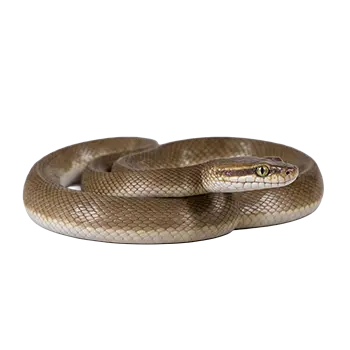

The legal framework governing the keeping, breeding, sale, and transport of the Brown House Snake (Boaedon capensis) is shaped by a layered system of international treaties, national legislation, and regional or local ordinances that varies significantly from one jurisdiction to the next. For prospective and current keepers, understanding this regulatory landscape is essential not only for legal compliance but also for responsible participation in a hobby that depends on the continued availability of legally sourced animals and the maintenance of public trust in the reptile-keeping community.
At the international level, the Convention on International Trade in Endangered Species of Wild Fauna and Flora, commonly known as CITES, provides the primary framework for regulating cross-border movement of wildlife species. The Brown House Snake is not currently listed on any CITES appendix, which means that international trade in the species is not subject to the permit requirements and trade controls that apply to CITES-listed animals. This absence from the CITES appendices reflects the species' broad distribution, stable wild populations, and the assessment by conservation authorities that current levels of collection and trade do not pose a significant threat to its survival in the wild.
The lack of a CITES listing does not, however, mean that the Brown House Snake can be freely traded or kept without legal restriction. National and subnational governments maintain their own wildlife and animal-keeping regulations that may impose requirements ranging from simple registration to outright prohibition, regardless of whether a species is listed under CITES. These domestic regulations are typically motivated by concerns about biosecurity, public safety, animal welfare, and the protection of native ecosystems from potentially invasive non-native species, and they apply to the Brown House Snake with varying degrees of stringency depending on the jurisdiction.
The regulatory picture is further complicated by the pace of legislative change in the exotic animal sector. As reptile keeping has grown in popularity and as governments have become more attentive to the ecological and public health risks associated with the exotic pet trade, new regulations are being introduced and existing laws amended with increasing frequency in many parts of the world. Keepers are strongly advised to verify the current legal status of the Brown House Snake in their specific locality before acquiring an animal, as information published even a few years ago may no longer accurately reflect the applicable legal requirements.