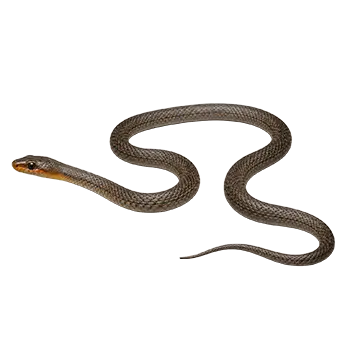

Natural Range & Key Observation Sites

Baird's Rat Snake occupies a relatively compact range centered on the Trans-Pecos region of western Texas, extending southward into the Sierra del Carmen and associated mountain ranges of the Mexican states of Chihuahua and Coahuila. Within this range, the species is most reliably found in limestone canyon systems, rocky hillsides, and the margins of arid mountain woodlands where crevices and ledge structures provide the shelter and thermoregulatory opportunities that the snake requires. The core of the species' distribution in the United States falls within Brewster, Presidio, and Jeff Davis counties, with records extending into adjacent areas of Pecos and Terrell counties.

Big Bend National Park represents the single most accessible area for observing Baird's Rat Snake within protected habitat. The park encompasses over 800,000 acres of Chihuahuan Desert terrain, including extensive canyon systems along the Rio Grande and in the Chisos Mountains that provide ideal habitat for the species. The scenic drives and maintained trails within the park pass through areas where Baird's Rat Snake has been documented, and the park's well-developed visitor infrastructure makes it a practical base of operations for naturalists seeking to observe the species without undertaking the more demanding logistics required by exploration of the surrounding backcountry.

Big Bend Ranch State Park, located west of the national park along the Rio Grande, offers additional observation opportunities in terrain that is generally rougher and less developed than the national park. The state park's network of unpaved roads and primitive trails passes through canyon country that supports Baird's Rat Snake, and the lower visitor density compared to the national park can make for quieter and more productive field sessions. Access to some areas of the state park requires high-clearance vehicles, and visitors should be prepared for limited services and long distances from emergency assistance.

Outside the park system, the network of public roads that traverses the Trans-Pecos provides the most commonly used venues for encountering Baird's Rat Snake. State highways and county roads that wind through limestone canyon country, particularly those in the Davis Mountains and between the communities of Marathon, Alpine, and Terlingua, have historically been productive road cruising routes. Encounters with Baird's Rat Snake on these roads occur most frequently during the warmer months when the snakes cross pavement during nocturnal activity periods, and the paved surface retains heat from the day that attracts thermoregulating snakes after sunset.

Planning a Field Trip to Big Bend Country

A successful field trip to observe Baird's Rat Snake in its native habitat requires thoughtful advance planning, as the Trans-Pecos region presents logistical challenges that are unusual for destinations within the continental United States. The nearest major airports are Midland-Odessa (approximately four hours by road from the Big Bend area) and El Paso (approximately five hours), and the final legs of any approach involve long stretches of lightly trafficked highway through sparsely populated desert country. Visitors should ensure that their vehicles are in reliable mechanical condition, carry adequate fuel and water for extended drives, and have a clear understanding of the distances and driving times involved before setting out.

Accommodation options in the Big Bend area range from the historic Chisos Mountains Lodge within the national park to motels and short-term rental properties in the surrounding communities of Terlingua, Study Butte, Marathon, and Alpine. During peak visitation periods, particularly spring and fall, lodging in and near the park fills well in advance, and securing reservations several months ahead of the planned visit is advisable. Camping is available within both the national and state parks, though summer heat limits the comfort of tent camping during the season when Baird's Rat Snake activity is most frequent. Visitors who plan to camp during the warmer months should be prepared for daytime temperatures that routinely exceed 100 degrees Fahrenheit and nighttime lows that may provide only modest relief.

Field herping in the Trans-Pecos demands preparation for conditions that can shift rapidly from comfortable to hazardous. The desert environment presents risks from dehydration, heat exposure, venomous snakes, scorpions, and the physical hazards of rough terrain. Carrying ample water, wearing sturdy footwear appropriate for rocky ground, maintaining awareness of one's surroundings, and informing someone of planned routes and expected return times are basic safety practices that should be followed without exception. Cell phone coverage in the region is extremely limited outside the small towns, and visitors should not rely on mobile communications for emergency assistance in the backcountry.

The Trans-Pecos is situated along the United States-Mexico border, and travelers should be aware of the border security infrastructure present in the region. Border Patrol checkpoints operate on the major highways entering and leaving the area, and encountering patrol vehicles on backcountry roads is common. Visitors should carry valid identification at all times and be prepared for brief stops at checkpoints. These security measures do not impede legitimate wildlife observation activities but are a distinctive feature of the travel experience in this part of Texas.

Seasonal Timing & Field Conditions

The timing of a field trip to observe Baird's Rat Snake is one of the most critical factors determining the likelihood of a successful encounter. The species is most active during the warmer months, generally from late April through early October, with peak surface activity typically occurring from June through September when nighttime temperatures remain warm enough to sustain extended nocturnal foraging and movement. During the cooler months, Baird's Rat Snake retreats deep into rock crevices and underground refugia where it becomes effectively undetectable to surface observers.

Within the active season, weather conditions on individual nights exert a powerful influence on snake activity. Warm, humid nights, particularly those following afternoon or evening rainfall during the summer monsoon season, tend to produce the highest levels of surface activity for Baird's Rat Snake and many other Trans-Pecos reptile species. The monsoon season in the Big Bend region typically runs from July through September, and the combination of residual daytime heat, elevated humidity, and wet road surfaces creates conditions that are particularly favorable for road cruising. Conversely, cold fronts, strong winds, and very dry conditions tend to suppress surface activity and reduce the probability of encounters.

Daytime field observation of Baird's Rat Snake is generally less productive than nocturnal road cruising, as the species is primarily crepuscular and nocturnal during the summer months. During cooler periods in spring and fall, however, individuals may be encountered basking on sun-exposed rock surfaces during the late morning and afternoon hours. Careful scanning of ledges, rock walls, and boulder piles in canyon habitats during these transitional seasons can occasionally yield daytime sightings, though the snake's cryptic coloration against limestone backgrounds makes visual detection challenging even for experienced observers.

Visitors should be realistic about the probability of encountering Baird's Rat Snake on any given outing. Even during peak activity periods under favorable conditions, the species occurs at lower densities than many other Trans-Pecos reptiles, and experienced field herpers may spend multiple nights cruising productive roads before finding their first specimen. This relative scarcity is part of what makes an encounter with Baird's Rat Snake a noteworthy event within the field herping community, and visitors who approach the search with patience and realistic expectations will find the effort rewarding regardless of the specific species encountered on any particular evening.

Field Techniques & Ethical Observation

The primary field technique for encountering Baird's Rat Snake is nocturnal road cruising, the practice of driving slowly along paved roads through suitable habitat during warm evenings to locate snakes that have moved onto the road surface. Effective road cruising requires slow speeds, typically ten to twenty miles per hour, sharp attention to the road surface, and the ability to safely stop and exit the vehicle when a snake is spotted. The driver should operate with headlights on low beam to maximize contrast between the snake and the pavement, and a strong handheld flashlight or headlamp should be available for confirming identifications and observing animals that have moved off the road edge.

Ethical road cruising demands a commitment to the safety and welfare of both the observer and the animals encountered. Snakes found on roads should be gently moved to the shoulder in the direction they were traveling to reduce the risk of vehicle strikes, regardless of species. Collecting or removing animals from the wild without proper permits is illegal in Texas and in all areas where Baird's Rat Snake is found, and responsible field herpers practice strict catch-and-release photography protocols that minimize handling time, stress, and the risk of injury to the animal. Using snake hooks rather than bare hands to move animals reduces both handling stress and the risk of a defensive bite.

Habitat disturbance is a particular concern when searching for Baird's Rat Snake away from roads. The species shelters in rock crevices, beneath slabs and boulders, and within gaps in natural rock formations. Overturning rocks and dismantling rock piles to search for hidden snakes destroys the microhabitat that these animals depend on for thermoregulation and predator avoidance, and the damage can persist for decades in the arid Trans-Pecos environment where natural weathering and erosion processes operate slowly. Ethical field herpers do not flip rocks or dismantle natural structures in search of snakes, relying instead on visual scanning and nocturnal road cruising to locate surface-active individuals.

Photographic documentation of field encounters has become an important component of ethical field herping, serving both personal and scientific purposes. High-quality photographs of Baird's Rat Snakes encountered in the wild, accompanied by date, time, location, and habitat notes, can be submitted to citizen science platforms where they contribute to the collective understanding of the species' distribution, phenology, and habitat associations. Photographers should prioritize minimally invasive techniques that capture the animal in its natural context rather than posed shots that require extensive handling or repositioning. The goal is to document the encounter as it occurred, not to create a studio-quality portrait at the expense of the animal's well-being.

Traveling with Captive Specimens

Transporting captive Baird's Rat Snakes, whether for relocation, veterinary visits, reptile expos, or sale to new keepers, requires attention to both the animal's physiological needs and the legal requirements that govern the movement of live reptiles. Proper transport containers for Baird's Rat Snake should be secure, escape-proof, well-ventilated, and sized appropriately to prevent excessive movement that could result in injury during transit. Cloth snake bags placed inside rigid containers such as plastic storage boxes or purpose-built reptile shipping containers provide an effective combination of security and comfort for the animal.

Temperature management during transport is critical, particularly in the extreme heat that characterizes the Trans-Pecos region and much of the American Southwest during the summer months. Vehicle interiors can reach lethal temperatures within minutes when parked in direct sunlight, and even a brief stop at a gas station or rest area can expose a snake to fatal overheating if the transport container is left in the vehicle. During warm-weather transport, climate-controlled vehicle interiors should be maintained at moderate temperatures, and transport containers should be positioned away from direct sunlight and heat sources within the vehicle. For cold-weather transport, insulated containers with heat packs rated for the expected duration of the journey protect against hypothermia.

Commercial shipping of Baird's Rat Snakes to buyers in other states requires compliance with the regulations of both the origin and destination states, as well as the policies of the carrier used for transport. Reptile shipping by air and ground carriers has become increasingly standardized within the herpetoculture community, but individual carrier policies regarding live animal shipments vary and should be confirmed before booking. Proper packaging for commercial reptile shipment includes insulated containers, phase-change heat or cold packs as appropriate for the season, secure inner bags or deli cups, and clearly labeled exterior markings identifying the package as containing live animals.

International transport of Baird's Rat Snakes introduces additional complexity, including the potential need for CITES documentation, veterinary health certificates, import permits from the destination country, and compliance with airline live animal transport policies. The specific requirements vary by destination country and change frequently, and shippers should verify all current regulations well in advance of any planned international shipment. Customs clearance for live reptile shipments can involve delays and inspections that extend the time the animal spends in transit, and transport planning should account for these contingencies with appropriate provisioning of the shipping container.

Regional Amenities & Logistics

The Trans-Pecos region, while remote by the standards of the continental United States, has developed a modest but sufficient tourism infrastructure that supports field herping trips and other nature-based travel. The town of Alpine, home to Sul Ross State University and its Museum of the Big Bend, serves as the largest community in the region and offers the widest selection of dining, grocery, fuel, and lodging options. Visitors staging their trips from Alpine benefit from reliable cell coverage, access to medical facilities, and a range of accommodation styles from budget motels to boutique hotels.

The communities immediately adjacent to Big Bend National Park, including Terlingua, Study Butte, and Lajitas, provide closer proximity to prime Baird's Rat Snake habitat but offer more limited services. Fuel, groceries, and dining are available but at higher prices and with fewer choices than in Alpine, and visitors should plan to arrive with full fuel tanks and basic provisions rather than depending on local availability. The distinctive character of these small desert communities, with their mix of retirees, artists, river guides, and seasonal workers, contributes to an atmosphere that many visitors find as memorable as the natural landscape itself.

Marathon, situated at the eastern gateway to the Big Bend region along U.S. Highway 90, offers a small but distinctive selection of lodging and dining centered on the Gage Hotel, a restored historic property that has become a destination in its own right. From Marathon, the scenic drive south on U.S. Highway 385 through open desert and increasingly dramatic canyon country provides one of the most productive road cruising corridors in the region, and many field herpers use Marathon as an overnight base for evening cruising sessions along this route.

For visitors arriving from distant cities, the logistics of reaching the Trans-Pecos involve trade-offs between travel time, comfort, and flexibility. Flying into Midland-Odessa and renting a vehicle provides relatively quick access to the region, while driving from major Texas cities such as Houston, Dallas, or San Antonio involves long but scenic highway journeys of eight to ten hours. Regardless of approach, the remoteness of the region is itself a significant part of the experience. The vastness of the landscape, the clarity of the night sky, and the sense of traveling through country that retains something of its frontier character create a context that makes encounters with Baird's Rat Snake and other Trans-Pecos wildlife feel genuinely wild and unhurried in a way that is increasingly difficult to find elsewhere in the lower forty-eight states.

Visitors planning extended stays in the region should also be aware of the infrastructure limitations that come with desert remoteness. Mechanical breakdowns, flat tires from rough road surfaces, and equipment failures are more consequential when the nearest full-service town may be sixty or more miles away. Carrying basic emergency supplies including extra water, a tire repair kit, jumper cables, a first aid kit, and a paper map of the region is prudent preparation that supplements the digital tools most travelers rely on in more connected environments.

Always consult a qualified professional before making any health-related decisions. This content is provided for informational reference only and should not replace professional guidance specific to your animal.