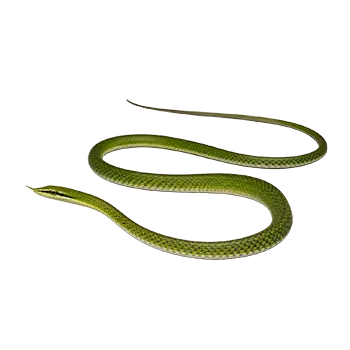

Successful transport of an Asian Vine Snake begins well before the animal is placed in a shipping container, with a comprehensive planning process that addresses the species' particular vulnerabilities and the logistical requirements of the intended journey. The Asian Vine Snake is among the more delicate snake species commonly encountered in the reptile trade and hobby, and its sensitivity to stress, temperature fluctuations, and dehydration means that transport planning must be approached with considerably greater care than would be necessary for hardier colubrid or python species. Keepers who invest time in thorough pre-transport preparation significantly reduce the risk of transit-related illness or mortality.
A veterinary health assessment should be the first step in any planned transport of an Asian Vine Snake, particularly if the journey involves crossing state or national borders where health certification may be legally required. A qualified reptile veterinarian can evaluate the animal's overall condition, check for signs of respiratory infection, parasitic burden, or other health issues that could be exacerbated by the stresses of transport, and provide the health certificates or veterinary statements that many jurisdictions require as a condition of legal transport. For international shipments, health certificates typically must be issued within a specific timeframe prior to departure, often within 48 to 72 hours, and must conform to the format and content requirements of both the exporting and importing jurisdictions.
The timing of transport relative to the vine snake's feeding cycle requires careful consideration. Vine snakes should not be transported with undigested food in their systems, as the stress of transit can disrupt digestion and lead to regurgitation, a dangerous event that can cause aspiration, esophageal damage, and severe physiological stress. Best practice dictates allowing a minimum of five to seven days after the snake's last meal before initiating transport, ensuring that the digestive tract is completely clear. Conversely, a vine snake that has been fasting for an extended period may be in a weakened state that makes it less resilient to the rigors of transport, so keepers must balance the need for an empty gut against the need for adequate physical condition.
Hydration is a critical concern in vine snake transport preparation. These arboreal species obtain much of their water intake from droplets on foliage and from environmental humidity rather than from standing water sources, and they are prone to dehydration under the low-humidity conditions that prevail in shipping containers and vehicle interiors. Lightly misting the snake and its transport container immediately before departure, and ensuring that the container environment maintains adequate humidity without becoming wet enough to promote chilling, represents the standard approach to managing hydration during transit. For longer journeys, the inclusion of damp sphagnum moss or paper toweling in the transport container provides a passive humidity source that can help maintain moisture levels throughout the trip.