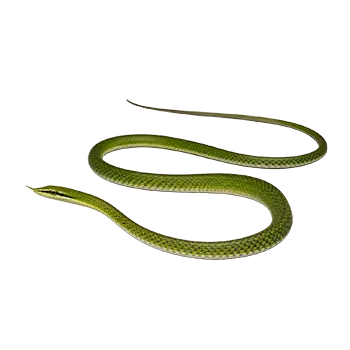

The international trade in Asian Vine Snakes is governed by a patchwork of treaties, national laws, and bilateral agreements that reflect the complex jurisdictional landscape of the global wildlife trade. At the international level, the Convention on International Trade in Endangered Species of Wild Fauna and Flora, commonly known as CITES, serves as the primary regulatory framework for cross-border movement of wildlife and wildlife products. As of the most recent CITES appendix listings, the genus Ahaetulla is not listed on any CITES appendix, meaning that international trade in Asian Vine Snakes is not subject to the permitting requirements that govern commerce in CITES-listed species. This absence from the CITES framework does not, however, mean that international trade in vine snakes is unregulated, as both exporting and importing countries may impose their own national restrictions that apply regardless of CITES status.
The lack of CITES listing for the Asian Vine Snake genus reflects a combination of factors, including the historically broad distribution of the species complex across South and Southeast Asia, the absence until recently of documented population-level declines attributable to trade, and the relatively low commercial value of individual animals compared to more heavily traded reptile species such as pythons, monitors, and tortoises. However, the recent taxonomic revision of the genus, which has split the former Ahaetulla prasina into multiple species with potentially smaller and more vulnerable geographic ranges, has prompted some conservation biologists to call for a reassessment of the genus's trade status and the potential inclusion of range-restricted species on CITES appendices.
Exporting countries across South and Southeast Asia maintain their own regulatory frameworks governing the collection and export of wildlife, including vine snakes. India, Sri Lanka, Indonesia, Malaysia, Thailand, Vietnam, and the Philippines all have national wildlife protection legislation that may restrict or prohibit the collection and export of native reptile species, though the specifics of these regulations vary significantly between countries and are subject to change as national governments update their wildlife management policies. Prospective importers and exporters must navigate these national frameworks in addition to any applicable international agreements, a process that typically requires engagement with national wildlife management authorities and compliance with documentation and permitting requirements that can be complex and time-consuming.
The enforcement of international trade regulations for non-CITES species like the Asian Vine Snake presents significant challenges. Customs inspections at ports of entry and exit may not have the specialist knowledge needed to identify vine snake species accurately, and shipments of wild-caught reptiles may include mislabeled or undocumented specimens mixed with legally permitted animals. The growth of online commerce in live reptiles has further complicated enforcement efforts, as transactions initiated through social media platforms and specialty websites can be difficult for regulatory authorities to monitor and intercept.