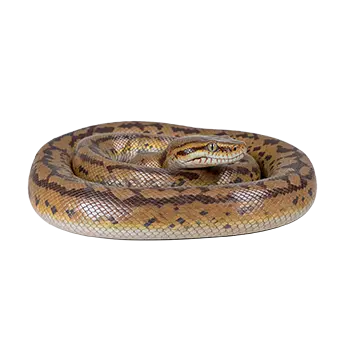

The Argentine Rainbow Boa has featured in numerous wildlife documentaries and television programs that explore the biodiversity of South America and the world of exotic reptile keeping. Nature documentary series produced by major broadcasters have included footage of rainbow boas in their native Argentine habitats, typically highlighting the species' remarkable iridescent scales as a visual centerpiece. The prismatic effect produced by microscopic ridges on the snake's scales creates a shimmering rainbow of color under natural light, making the species exceptionally telegenic and a natural choice for filmmakers seeking visually compelling subjects.
Documentary segments focusing on the Argentine Rainbow Boa typically emphasize the species' ecological context within the grasslands and semi-arid scrublands of northern Argentina, providing audiences with a view of the snake that extends beyond the vivarium glass familiar to pet keepers. Field footage of the species hunting, thermoregulating, and navigating its native terrain offers a dimension of understanding that studio-based segments cannot replicate. These productions have played an important role in introducing the Argentine Rainbow Boa to audiences who might otherwise never encounter the species.
Television programs dedicated to the reptile-keeping hobby have also given the Argentine Rainbow Boa significant airtime. Shows that profile exotic pet owners, visit reptile breeding facilities, or tour major reptile expos frequently feature rainbow boas as examples of the hobby's breadth and the striking beauty that draws people to keeping snakes. These appearances have contributed to the species' visibility among potential keepers and have helped to normalize snake ownership for mainstream audiences.
Educational television content aimed at younger viewers has occasionally featured the Argentine Rainbow Boa in segments designed to reduce fear of snakes and promote respect for wildlife. The species' generally calm demeanor during handling and its non-threatening size make it a suitable ambassador for these programs, which aim to build positive associations with reptiles during the formative years when many lasting attitudes toward animals are established.