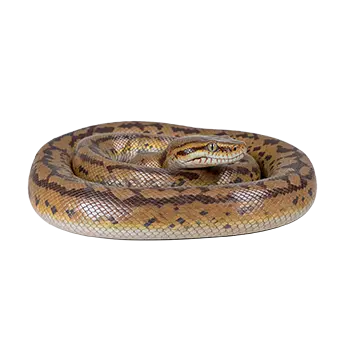

The Argentine Rainbow Boa (Epicrates cenchria) is subject to international trade regulations under the Convention on International Trade in Endangered Species of Wild Fauna and Flora, commonly known as CITES. The species is listed under CITES Appendix II, which includes species that are not currently threatened with extinction but could become so if trade is not carefully regulated. This listing means that international commercial trade in Argentine Rainbow Boas requires export permits issued by the management authority of the country of origin, certifying that the specimens were legally obtained and that the export will not be detrimental to the survival of the species in the wild.
For keepers and breeders in importing countries, the CITES Appendix II listing means that any Argentine Rainbow Boa crossing an international border must be accompanied by appropriate documentation. Captive-bred specimens are generally easier to trade internationally than wild-caught animals, as CITES regulations distinguish between specimens bred in captivity and those taken from wild populations. Breeding facilities that are registered with their national CITES authority can obtain streamlined documentation for captive-bred animals, though the administrative requirements still demand careful record-keeping and advance planning.
Argentina's own national wildlife regulations add another layer to the international trade framework. Argentine law governs the collection, captive breeding, and export of native wildlife species, and enforcement of these regulations has strengthened considerably in recent decades. Wild collection of Argentine Rainbow Boas for the international pet trade has been substantially curtailed through a combination of national legislation and CITES compliance, with the result that the vast majority of Argentine Rainbow Boas available in international markets today are captive-bred animals produced by breeders outside the species' native range.
Prospective owners and breeders should be aware that CITES regulations are implemented through national legislation in each member country, and the specific requirements can vary. Importing an Argentine Rainbow Boa into the United States, for example, involves compliance with both CITES requirements and the regulations of the U.S. Fish and Wildlife Service, which enforces CITES provisions domestically. European Union member states implement CITES through a unified set of regulations that may impose additional conditions beyond the baseline CITES requirements. Understanding the specific import and export rules applicable in one's own jurisdiction is an essential first step for anyone considering acquiring an Argentine Rainbow Boa from an international source.