
Car Travel

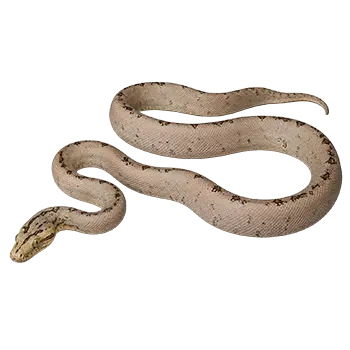
Transporting an Amazon Tree Boa by car requires careful preparation to ensure the snake's safety and minimize stress during the journey. The most widely recommended method is to place the snake in a secure, ventilated container such as a cloth snake bag inside a rigid plastic tub or a purpose-built reptile transport box. The container should be large enough for the snake to rest comfortably but snug enough to prevent excessive movement that could lead to injury. Cloth bags are preferred by many keepers because the gentle pressure of the fabric tends to have a calming effect on the snake.

Temperature management is a critical concern during car travel, particularly for a tropical species like the Amazon Tree Boa that requires warm conditions. During cold weather, heat packs designed for reptile shipping can be taped to the outside of the transport container, with a layer of newspaper or cloth between the heat source and the snake to prevent burns. In hot weather, the vehicle's air conditioning should be used to keep the interior temperature within a safe range, and the snake should never be left unattended in a parked car where temperatures can rise to lethal levels within minutes.

For longer road trips, it is advisable to secure the transport container so that it does not slide or tip during turns and stops. Placing the container on the floor of the back seat or securing it with a seatbelt on the seat itself helps prevent jostling. The snake should not be fed within forty-eight hours of travel to reduce the risk of regurgitation, which can be dangerous for snakes and is often triggered by the stress of transport.

Upon arrival at the destination, the snake should be transferred to its enclosure or a temporary setup and given time to settle before handling or feeding. Most Amazon Tree Boas will resume normal behavior within a day or two of a car journey, though particularly defensive individuals may be more reactive than usual for a short period after travel.

Air Travel

Air travel with Amazon Tree Boas presents significant logistical challenges and is subject to extensive regulatory requirements. Most commercial airlines do not permit reptiles in the passenger cabin, and many do not accept them as checked baggage or cargo. Keepers who need to transport Amazon Tree Boas by air typically rely on specialized reptile shipping services or air cargo carriers that are experienced in handling live reptile shipments.

When shipping an Amazon Tree Boa via air cargo, the snake must be packaged in accordance with International Air Transport Association (IATA) Live Animals Regulations, which specify container construction standards, ventilation requirements, labeling protocols, and temperature control measures. A typical compliant shipment involves placing the snake in a cloth bag inside an insulated shipping box with appropriate heat or cold packs depending on the season, along with clearly visible labels identifying the contents as live animals.

Seasonal shipping restrictions may apply during periods of extreme heat or cold, as airlines may refuse to transport live animals when temperatures at the origin, destination, or transfer airports exceed safe thresholds. During summer months, overnight or early morning shipping is often preferred to avoid peak daytime temperatures, while winter shipments may require additional insulation and longer-lasting heat packs to maintain safe temperatures throughout the journey.

Keepers who ship Amazon Tree Boas across state lines or international borders must also comply with applicable wildlife transport regulations, which may require health certificates, permits, or declaration forms. Planning air shipments well in advance and consulting with an experienced reptile shipping service helps ensure that all regulatory, packaging, and logistical requirements are met.

Pet-Friendly Accommodations

Finding accommodations that welcome exotic reptiles is considerably more difficult than locating pet-friendly lodging for dogs or cats. Most hotels and vacation rentals that advertise pet-friendly policies are referring specifically to domesticated animals and may explicitly exclude reptiles or exotic pets from their policies. Travelers with Amazon Tree Boas should contact accommodations directly to inquire about their reptile policies before booking, rather than relying on general pet-friendly designations.

When staying in a hotel or rental property with an Amazon Tree Boa, the snake should be kept securely contained in its transport container or a temporary travel enclosure at all times. Allowing the snake to roam freely in a room that has not been snake-proofed risks escape through gaps in walls, plumbing access points, or unsealed doors. An escaped snake in a hotel creates significant complications for both the owner and the establishment.

Some reptile expos and herpetological conferences are held in conjunction with hotels that have agreed to accommodate attendees traveling with reptiles. These events represent one of the more reliable opportunities to find lodging that explicitly permits snake guests. Attendees at such events should still follow best practices for secure containment and responsible handling during their stay.

For extended travel, some keepers arrange to leave their Amazon Tree Boas with trusted fellow keepers or professional reptile boarding facilities rather than bringing the animal along. This approach avoids the logistical challenges of traveling with an exotic pet and ensures that the snake remains in a stable, properly maintained environment during the owner's absence.

Boarding & Pet Sitting

When travel is unavoidable and bringing an Amazon Tree Boa along is impractical, boarding the snake with a qualified caretaker is the preferred alternative. Traditional pet boarding facilities designed for dogs and cats are rarely equipped to house exotic reptiles, so keepers typically turn to specialized reptile boarding services, experienced fellow hobbyists, or professional pet sitters with reptile experience.

Reptile-specific boarding facilities, while less common than conventional pet boarding operations, can be found in many metropolitan areas and often advertise through reptile expos, herpetological societies, and online reptile communities. These facilities are typically operated by experienced reptile keepers who maintain appropriate environmental conditions and understand the husbandry requirements of arboreal boa species. Keepers should visit a prospective boarding facility in advance to assess the cleanliness of the operation, the adequacy of enclosures, and the staff's familiarity with Amazon Tree Boa care.

Hiring a pet sitter to care for the snake in the owner's home is another option that offers the advantage of keeping the animal in its established enclosure. A qualified reptile sitter should be familiar with the basics of arboreal snake husbandry, including temperature and humidity monitoring, water maintenance, and the ability to recognize signs of illness. Detailed written care instructions should be provided to the sitter, covering feeding schedules, enclosure maintenance routines, emergency contact information, and the location of the nearest reptile-experienced veterinarian.

Regardless of the boarding arrangement chosen, owners should ensure that their Amazon Tree Boa is in good health before being left in another person's care. A pre-travel health assessment helps identify any issues that could worsen during the owner's absence and provides the caretaker with a baseline understanding of the animal's normal condition.

Emergency Preparedness

Natural disasters, power outages, and other emergencies can create urgent situations for Amazon Tree Boa owners. Because arboreal tropical snakes depend on consistent warmth and humidity, a prolonged loss of power during cold weather can be life-threatening. Keepers should develop an emergency preparedness plan that addresses heating contingencies, evacuation procedures, and access to veterinary care during crisis situations.

A basic emergency kit for an Amazon Tree Boa should include a portable transport container, chemical heat packs sufficient for at least seventy-two hours, a battery-operated or USB-powered temperature monitor, a spray bottle for maintaining humidity, and copies of any ownership permits or veterinary records. Having these items assembled and accessible before an emergency occurs eliminates the need to gather supplies under stressful conditions.

Evacuation planning is particularly important for keepers living in areas prone to hurricanes, floods, wildfires, or other natural disasters that may require mandatory evacuation on short notice. The snake's transport container should be part of the evacuation loadout, and keepers should identify in advance which emergency shelters or temporary housing options will accommodate exotic pets. Many emergency shelters do not accept animals of any kind, and those that do may not permit reptiles.

Keepers should also identify at least one reptile-experienced veterinarian within a reasonable distance and maintain their contact information as part of the emergency preparedness plan. In situations involving injury, illness, or exposure to extreme temperatures during an emergency, prompt veterinary attention can be critical. Building a network of trusted fellow keepers who can provide temporary housing for animals during emergencies adds an additional layer of security to the preparedness plan.

Always consult a qualified professional before making any health-related decisions. This content is provided for informational reference only and should not replace professional guidance specific to your animal.