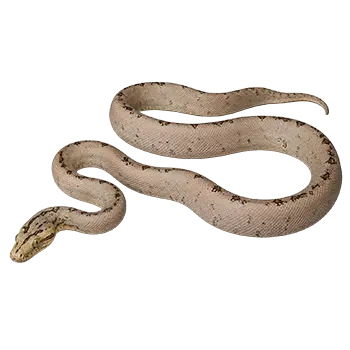

Film & Television

The Amazon Tree Boa has made numerous appearances in nature documentaries and wildlife television programs, where its vivid coloration and arboreal behavior make it a visually compelling subject. Series focused on Amazonian wildlife frequently feature the species as an example of the extraordinary biodiversity found in tropical rainforests. Its dramatic color variation, from bright yellows and oranges to deep browns and grays, provides filmmakers with striking footage that captures viewer attention.

In fictional film and television, tree boas including the Amazon Tree Boa have occasionally served as stand-ins for more dangerous-looking serpents in jungle-themed scenes. Their attractive appearance and manageable size make them practical choices for animal wranglers working on productions that require a visually impressive but non-venomous snake. While specific screen credits are rarely given to individual snake species, experienced viewers can often spot Amazon Tree Boas in adventure films and television series set in tropical environments.

Wildlife documentary hosts and herpetologists appearing on camera have frequently handled Amazon Tree Boas during segments about Amazonian fauna. These appearances have helped humanize the species for general audiences, showing that despite their defensive temperament, these snakes are fascinating animals worthy of appreciation rather than fear. The contrast between the snake's beauty and its feisty disposition has made for memorable television moments that resonate with viewers.

Literature & Educational Media

The Amazon Tree Boa appears regularly in herpetological field guides, reptile care manuals, and educational publications about South American wildlife. Its inclusion in these works reflects both its ecological significance within Amazonian ecosystems and its popularity within the reptile-keeping community. Field guides covering Neotropical snakes typically devote substantial space to the species, often showcasing multiple color variants to illustrate the remarkable diversity within a single species.

Popular science books about snakes and tropical biodiversity frequently reference the Amazon Tree Boa when discussing topics such as color polymorphism, arboreal adaptation, and predator-prey relationships in rainforest canopies. The species serves as an accessible example for explaining complex evolutionary concepts to general readers, since its dramatic color variation provides a tangible and visually engaging illustration of genetic diversity within a population.

Children's educational materials about rainforest animals also feature the Amazon Tree Boa, where its bright coloration and tree-dwelling lifestyle capture young readers' imaginations. These appearances in age-appropriate books and educational websites play a role in shaping early attitudes toward snakes, potentially fostering curiosity and appreciation rather than fear among the next generation of wildlife enthusiasts.

Care guides and husbandry manuals written specifically for reptile keepers form another significant body of literature featuring the species. These practical publications, which range from brief pamphlets distributed at reptile expos to comprehensive hardcover references, have collectively built a detailed knowledge base that supports responsible captive care.

Internet & Social Media

The Amazon Tree Boa has found a substantial audience on social media platforms where reptile enthusiasts share photographs, videos, and husbandry advice. Instagram, YouTube, and dedicated reptile forums host thriving communities centered on tree boa keeping, and the Amazon Tree Boa's photogenic qualities make it a frequent subject of posts that attract engagement from both hobbyists and casual wildlife admirers.

YouTube channels dedicated to reptile keeping regularly feature Amazon Tree Boa content, including unboxing videos of newly acquired animals, feeding demonstrations, enclosure setup tutorials, and breeding project updates. These videos serve both entertainment and educational functions, providing prospective keepers with realistic expectations about the species while showcasing the animals' beauty and behavioral complexity. Some channels have built significant followings largely on the strength of their tree boa content.

Online forums and Facebook groups devoted to boas and arboreal snakes provide platforms for keepers to discuss husbandry challenges, share breeding results, and coordinate sales of captive-bred animals. The Amazon Tree Boa's natural color diversity generates particular excitement within these communities, as breeders post photographs of unusual or especially vivid offspring that spark discussion about genetics and selective breeding potential.

The species has also appeared in viral content from time to time, with particularly striking photographs or unexpected behavioral clips gaining traction beyond the reptile-keeping community. These moments of broader visibility help introduce the Amazon Tree Boa to audiences who might not otherwise encounter the species.

Advertising & Commercial Use

While the Amazon Tree Boa has not achieved the iconic commercial status of some larger or more widely recognized snake species, its vibrant appearance has made it a useful visual element in certain commercial contexts. Wildlife tourism operations in South America frequently use photographs of colorful tree boas, including the Amazon Tree Boa, in promotional materials aimed at attracting visitors to jungle lodges and guided rainforest excursions.

The reptile product industry, including manufacturers of terrariums, heating equipment, substrate, and specialized lighting, occasionally features Amazon Tree Boas in product photography and catalog imagery. The snake's arboreal posture and vivid coloration make it an effective visual showcase for products designed for tree-dwelling species, and its presence in advertising materials signals to knowledgeable consumers that a product is suitable for the specific demands of arboreal snake husbandry.

Stock photography libraries include numerous professional images of Amazon Tree Boas that are licensed for use in editorial, educational, and commercial contexts. These images appear in magazine articles, website headers, textbook illustrations, and informational posters about tropical wildlife. The species' natural beauty translates well to high-resolution photography, and its color variety ensures that stock libraries offer a diverse selection of visual options.

Beyond direct commercial use, the Amazon Tree Boa's aesthetic appeal has inspired design elements in products ranging from jewelry to textile patterns, where its natural color combinations and coiling postures serve as creative reference points for designers working with nature-inspired themes.

The Visibility Effect

Media exposure, whether through documentaries, social media, or commercial imagery, has a measurable impact on public perception and demand for the Amazon Tree Boa. When a species appears prominently in a popular documentary series or gains traction through viral social media content, reptile breeders and retailers typically observe a corresponding increase in inquiries and sales. This visibility effect can be beneficial when it channels interest toward reputable breeders offering captive-bred animals and reliable husbandry guidance.

However, increased visibility also carries risks. Impulse acquisitions driven by an animal's appearance in media can lead to situations where unprepared owners struggle with the realities of caring for a species that has specific environmental requirements and a defensive temperament. The Amazon Tree Boa's tendency to bite readily, while not dangerous, can surprise new keepers whose expectations were shaped primarily by attractive photographs rather than comprehensive research into the species' behavior.

The reptile-keeping community has responded to these dynamics by emphasizing education alongside promotion. Experienced keepers and breeders who maintain social media presences frequently pair striking photographs with detailed captions covering care requirements, temperament expectations, and the long-term commitment involved in keeping arboreal boas. This approach aims to ensure that media-driven interest translates into informed, responsible ownership rather than impulsive decisions.

Overall, the Amazon Tree Boa's presence in media and pop culture reflects a broader trend in which exotic reptiles have moved from the margins of public awareness toward greater mainstream visibility. As media platforms continue to evolve, the species is well positioned to maintain and expand its cultural footprint thanks to its inherent visual appeal and the passionate community of keepers who advocate on its behalf.

Always consult a qualified professional before making any health-related decisions. This content is provided for informational reference only and should not replace professional guidance specific to your animal.