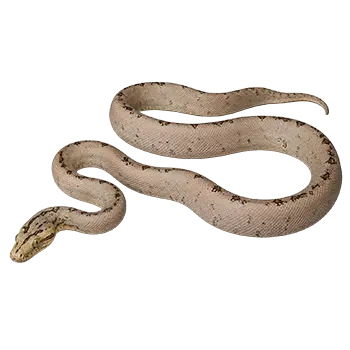

The Amazon Tree Boa is a non-venomous constrictor that does not appear on most restricted species lists in the United States or Canada. Unlike large constrictors such as Burmese pythons or reticulated pythons, which have been subject to federal restrictions under the Lacey Act, the Amazon Tree Boa's moderate adult size of five to seven feet generally keeps it below the thresholds that trigger large-snake regulations. However, regulatory landscapes vary significantly by jurisdiction, and keepers should never assume that a species is legal to own without verifying local and state laws.
Some U.S. states and municipalities maintain broad restrictions on the private ownership of any non-native reptile species, which can encompass the Amazon Tree Boa even though it is not specifically named in the legislation. States with particularly restrictive exotic animal laws may require permits for any non-domestic species, classify all constrictor snakes above a certain length as restricted, or prohibit private snake ownership entirely. These regulations change over time, and proposed legislation can alter the legal status of a species with relatively short notice.
In the European Union, regulations governing exotic reptile ownership vary by member state. Some countries require registration or permits for keeping non-native snake species, while others impose fewer restrictions on species that are not considered dangerous. Prospective keepers in any jurisdiction should consult their local wildlife agency or a knowledgeable reptile organization for current information about the legal status of Amazon Tree Boas in their area.
It is important to note that the absence of a species from a restricted list does not always mean that ownership is unrestricted. Zoning ordinances, homeowners association rules, and landlord policies can all impose additional limitations that operate independently of wildlife regulations.