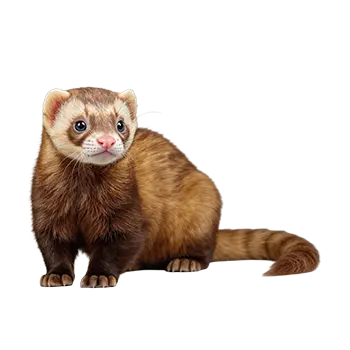

Successful travel with a Cinnamon Ferret begins well before the journey itself, with a preparation process that addresses the animal's physical health, behavioral readiness, and documentation requirements. The first and most important preparatory step is a veterinary wellness examination, ideally scheduled one to two weeks before the planned travel date. This examination should confirm that the ferret is in good general health and free of conditions that could be exacerbated by the stress of travel, such as respiratory infections, gastrointestinal disturbances, or adrenal disease flare-ups. The veterinarian should also verify that the ferret's rabies vaccination is current and issue a health certificate if required by the destination jurisdiction or transportation carrier.
Health certificates, formally known as certificates of veterinary inspection, are legal documents issued by a licensed veterinarian attesting to the health status and vaccination history of an animal. Most airlines and many state and international jurisdictions require a health certificate for ferrets in transit, and the certificate must typically be issued within a specific window before travel — often ten days for domestic travel within the United States and varying periods for international destinations. Some states require that the health certificate be endorsed by the USDA Animal and Plant Health Inspection Service for interstate transport, adding an additional administrative step that owners must plan for. Failure to obtain the necessary documentation can result in the animal being denied boarding by an airline or refused entry at a state or national border.
Carrier selection and acclimation represent another critical preparatory consideration. The travel carrier should be appropriately sized for the ferret — large enough for the animal to turn around, lie down, and adjust its position comfortably, but small enough to create a sense of security and to meet airline size restrictions if air travel is planned. Hard-sided carriers with secure latches are generally preferred over soft-sided options because they provide better structural protection and are more difficult for a determined ferret to chew through or escape from. The carrier should be lined with absorbent bedding and should include a small water bottle or dish secured against spillage, along with a familiar item such as a sleep sack or piece of worn clothing that carries the owner's scent and provides comfort.
Acclimating the ferret to the carrier well in advance of travel is essential for reducing stress during the actual journey. Many ferrets are initially reluctant to enter a carrier voluntarily, but a gradual introduction process — placing the carrier in the ferret's living space with the door open, feeding treats inside it, and allowing the ferret to explore and nap in the carrier over a period of days or weeks — can transform the carrier from an unfamiliar and intimidating object into a comfortable and familiar space. Ferrets that have been properly acclimated to their carriers typically exhibit significantly less stress-related behavior during travel, including less vocalization, less restlessness, and fewer escape attempts.
Dietary preparation for travel should include a gradual reduction in food volume in the hours immediately preceding departure to minimize the risk of nausea and soiling during transit, while ensuring that the ferret is not fasted for dangerously long periods. Ferrets have rapid metabolisms and can develop hypoglycemia if deprived of food for more than three to four hours, making it essential to balance the risk of travel-related digestive upset against the risk of metabolic stress from prolonged fasting. Packing a travel supply kit with the ferret's regular food, treats, a portable water source, cleanup supplies, and any necessary medications ensures that the owner is prepared to meet the animal's needs at every stage of the journey.