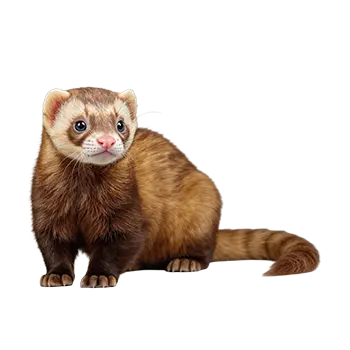

Ferrets in Film & Television

Ferrets have appeared in a notable range of film and television productions over the past several decades, often cast in roles that emphasize their sinuous movement, mischievous energy, and visual distinctiveness among companion animals. One of the most widely recognized ferret appearances in mainstream cinema came in the 1996 film The Big Lebowski, in which a ferret was deployed in a bathtub scene that cemented the animal's association with unpredictability and dark comedy in the minds of a broad audience. While the specific ferret used in that production was a sable rather than a cinnamon, the scene brought general ferret awareness to millions of viewers who might otherwise have had no exposure to the species, indirectly benefiting public interest in all ferret color varieties.

Television has provided additional opportunities for ferret visibility. The long-running animated series Beastars featured mustelid characters that drew on the physical characteristics of ferrets and related species, while live-action programs ranging from nature documentaries to reality television have included segments on ferret keeping that expose mainstream audiences to the range of available coat colors and patterns. Documentary productions focused on exotic and unusual pets have been particularly effective in showcasing color varieties beyond the standard sable and albino, sometimes featuring cinnamon ferrets alongside champagne, chocolate, and silver varieties to illustrate the breadth of the domestic ferret's phenotypic diversity.

The Harry Potter film series brought significant attention to ferrets through the memorable scene in Harry Potter and the Goblet of Fire, in which the character Draco Malfoy is transfigured into a white ferret by Professor Moody. Although the animal used was an albino rather than a cinnamon, the scene generated a measurable spike in public interest in ferrets as pets, with breeders and rescue organizations reporting increased inquiries following the film's release. This phenomenon illustrates the power of mainstream media to drive consumer behavior in the companion animal market, even when the specific depiction is brief or comedic in nature.

The challenge for cinnamon ferrets specifically within film and television is one of visual legibility on screen. The warm reddish-brown tones of the cinnamon coat, while striking in person, can be difficult to distinguish from champagne or light sable coloring under studio lighting conditions, and production teams selecting animal actors typically prioritize visual contrast and recognizability over breed or color accuracy. As a result, albino and dark sable ferrets tend to be overrepresented in screen appearances because their extreme light or dark coloring reads clearly on camera. This selection bias means that cinnamon ferrets remain underrepresented in film and television relative to their presence in the companion ferret population, though their appearances in online video content partially compensate for this gap.

Ferrets in Literature & Print Media

The literary history of ferrets extends considerably further back than their screen history, encompassing references in texts from classical antiquity through the medieval period and into the modern era. Ancient Roman writers including Pliny the Elder and Strabo described the use of ferrets in hunting, establishing the animal's earliest literary footprint. Geoffrey Chaucer referenced ferrets in The Canterbury Tales, and the animals appear intermittently in English literature throughout the following centuries, typically in the context of rural life and field sports. These literary appearances almost exclusively depict ferrets in their working role as rabbit hunters, reflecting the animals' primary function in human society prior to the twentieth century.

Modern literature has offered ferrets more varied and nuanced representation. Richard Bach's 1998 novel The Ferret Chronicles presented ferrets as protagonists in a philosophical narrative that explored themes of freedom, purpose, and self-discovery, giving the species a level of literary dignity rarely afforded to small companion animals. Children's literature has also embraced ferrets, with numerous picture books and middle-grade novels featuring ferret characters that introduce young readers to the species' personality and care requirements. While these fictional depictions rarely specify coat color with precision, the descriptions of warm brown, reddish, or golden-furred ferret characters align with the cinnamon phenotype and may subtly normalize the variety in readers' imaginations.

Print magazines dedicated to ferret keeping have played an important role in documenting and promoting the diversity of ferret coat colors, including cinnamon. Publications such as Modern Ferret, which was published from 1994 to 2007, provided a platform for breeders, veterinarians, and enthusiasts to share information about color genetics, breeding strategies, and care practices specific to different color varieties. These magazines featured photography of various coat colors in their editorial and advertising content, helping to establish visual standards and vocabulary that the ferret community continues to use. The cinnamon variety benefited from this coverage as breeders sought to educate the public about the distinction between cinnamon and visually similar colors such as champagne.

The transition from print to digital media has not eliminated the role of written content in shaping public perception of ferrets, but it has changed the format and distribution channels through which that content reaches its audience. Online articles, blog posts, and care guides have largely supplanted print magazines as the primary written resources for ferret owners and prospective owners. These digital publications reach a far larger audience than print periodicals ever could, and they frequently include high-quality photography that showcases the full spectrum of ferret coat colors. The cinnamon variety appears regularly in online color guides and breed profiles, where its warm, distinctive appearance is readily apparent in digital photography and serves to attract interest from potential owners seeking a visually distinctive companion.

The Cinnamon Ferret in Online Communities & Social Media

The emergence of social media and online community platforms has profoundly transformed the cultural visibility of ferrets in general and of specific color varieties like cinnamon in particular. Prior to the internet era, ferret culture was largely contained within local clubs, regional shows, and the pages of specialized print publications, limiting the reach of ferret advocacy and the speed at which information about breeding, care, and color varieties could disseminate. The internet dissolved these geographic barriers, creating a global ferret community connected through forums, social media groups, and video platforms that together reach millions of viewers and participants.

Platforms such as Instagram, TikTok, and YouTube have been particularly impactful for ferret visibility. Ferrets are inherently photogenic and videogenic animals — their playful war dances, their tendency to investigate and interact with novel objects, and their expressive body language translate well to the short-form video and image formats that dominate contemporary social media. Individual ferrets have amassed substantial followings on these platforms, with some ferret-focused accounts reaching hundreds of thousands of followers. Within this ecosystem, cinnamon ferrets benefit from their visually distinctive coloring, which stands out in crowded social media feeds and invites comments and questions from viewers unfamiliar with the color variety.

Online ferret communities hosted on platforms such as Reddit, Facebook, and dedicated forums serve as hubs for information sharing, social support, and cultural production within the ferret fancier community. Subreddits such as r/ferrets host tens of thousands of members who share photographs, seek veterinary advice, discuss behavioral issues, and celebrate the personalities of their individual animals. Within these communities, coat color is a frequent topic of discussion, and cinnamon ferrets often generate enthusiastic responses when their owners share photographs, driven by the relative rarity of the color variety and the warmth and richness of its visual presentation. These interactions reinforce the cinnamon variety's status as a desirable and somewhat exclusive coat color within the broader ferret community.

The rise of ferret influencer accounts on social media has created a new avenue for cultural representation that bypasses the gatekeeping structures of traditional media. Unlike film and television, where animal casting decisions are made by production teams with limited knowledge of or interest in ferret color varieties, social media allows individual ferret owners to present their animals directly to a global audience. This democratization of media access has been particularly beneficial for less common color varieties including cinnamon, which can achieve visibility through the efforts of dedicated owners who create content showcasing their animals' unique appearance and personality. The cumulative effect of thousands of individual social media posts featuring cinnamon ferrets has done more to establish the variety's cultural identity than any single film or television appearance could achieve.

The educational dimension of online ferret content should not be underestimated. Social media posts and videos featuring cinnamon ferrets frequently spark conversations about ferret color genetics, responsible breeding practices, and the distinction between legitimate color varieties and misleading marketing terms. These conversations, which occur organically in comment sections and discussion threads, serve a significant educational function by correcting misconceptions, promoting responsible ownership, and building a shared knowledge base that benefits both experienced keepers and newcomers to the ferret community.

Ferrets in Advertising & Commercial Media

Ferrets have appeared in commercial advertising and marketing campaigns with increasing frequency since the 1990s, leveraged by advertisers for their novelty value, their visual appeal, and their ability to attract attention in a crowded media landscape. The use of ferrets in advertising tends to capitalize on the animals' association with quickness, agility, and curiosity — qualities that advertisers have connected to products and services ranging from internet service providers to cable installation tools. The Black and Decker company, for instance, has marketed a line of flexible power tools under the brand name Ferret, drawing on the animal's ability to navigate tight spaces as a metaphor for the tool's functionality.

Pet industry advertising represents the most straightforward commercial context in which ferrets, including cinnamon varieties, appear regularly. Manufacturers of ferret food, bedding, cages, and accessories feature photographs and illustrations of ferrets in their packaging and promotional materials, and the selection of ferret coat colors in these materials both reflects and influences consumer preferences. While sable ferrets have historically dominated pet industry imagery due to their prevalence in the pet population, marketing teams have increasingly incorporated diverse coat colors into their visual assets as the ferret community's awareness of and demand for color variety has grown. Cinnamon ferrets appear in product catalogs, website imagery, and social media advertising from ferret supply companies, contributing to the normalization and desirability of the color variety.

The relationship between media representation and market demand is particularly evident in the ferret community, where exposure to specific coat colors through advertising and editorial content can directly influence purchasing and adoption decisions. Breeders report that inquiries about specific color varieties often correlate with the visibility of those colors in popular media, including advertising. When cinnamon ferrets are featured prominently in marketing materials or gain visibility through viral social media content, breeders typically experience a corresponding increase in interest from prospective buyers. This dynamic creates a feedback loop in which commercial visibility drives demand, which in turn incentivizes further commercial representation, gradually elevating the cinnamon variety's profile within the market.

Beyond direct product advertising, ferrets have appeared in broader commercial campaigns as attention-getting elements intended to differentiate a brand from its competitors. These appearances leverage the novelty factor of ferrets — their relative rarity as companion animals compared to dogs and cats makes them inherently eye-catching in advertising contexts where visual distinction is paramount. While these broader commercial appearances rarely specify the coat color of the ferrets used, the increasing sophistication of ferret-aware audiences means that knowledgeable viewers will identify and comment on the specific color variety featured, extending the cultural conversation about ferret diversity into commercial media spaces.

Evolving Representation & Cultural Impact

The representation of ferrets in media and popular culture has evolved substantially over the past three decades, shifting from a baseline of near-total obscurity to a position of growing recognition and increasingly positive associations. This evolution mirrors broader changes in the cultural landscape of pet ownership, in which the dominance of dogs and cats as the default companion animals has been tempered by growing interest in a wider range of species, driven by changing lifestyles, urbanization, and the exposure to diverse animal species facilitated by social media and online content. Ferrets have been among the primary beneficiaries of this cultural shift, and the Cinnamon Ferret's distinctive appearance positions it well to capitalize on the premium that contemporary culture places on uniqueness and individuality.

One of the most significant cultural impacts of improved ferret representation has been the gradual dismantling of negative stereotypes that historically attached to the species. Ferrets were long associated in the popular imagination with unpleasant odor, aggressive biting, and vermin-like status — perceptions rooted in unfamiliarity rather than in accurate observation of well-cared-for domestic animals. Positive media representation, particularly through social media content that showcases the playful, affectionate, and engaging nature of pet ferrets, has been instrumental in challenging these stereotypes and replacing them with more accurate and favorable impressions. Cinnamon ferrets contribute to this reputational rehabilitation through their warm, visually appealing coloring, which contradicts the drab, rat-like image that negative stereotypes impose.

The cultural impact of ferret representation extends beyond the ferret community itself to influence broader conversations about animal welfare, responsible breeding, and the ethics of exotic pet ownership. Media coverage of ferrets, whether in news reports, documentary features, or social media content, frequently touches on issues such as the legality of ferret ownership in various jurisdictions, the health challenges associated with commercial breeding practices, and the importance of adoption and rescue as alternatives to purchasing from breeders. These conversations, amplified by the reach of digital media, contribute to a more informed and conscientious approach to companion animal ownership that benefits ferrets and other non-traditional pet species alike.

Looking at the trajectory of ferret representation in media, it is clear that the species has moved from the margins of cultural awareness toward a more established and recognized position within the companion animal landscape. The Cinnamon Ferret's role in this ongoing cultural shift is modest but meaningful — each social media post, each magazine feature, and each appearance in visual media that showcases the warm reddish-brown coloring of a cinnamon ferret adds another data point to the public's evolving understanding of what a ferret can look like and what ferret ownership can entail. As digital media continues to democratize cultural representation and as the ferret community continues to grow and organize, the cultural presence of the Cinnamon Ferret and its fellow color varieties can be expected to expand further, carrying the species deeper into the mainstream of contemporary pet culture.

Always consult a qualified professional before making any health-related decisions. This content is provided for informational reference only and should not replace professional guidance specific to your animal.