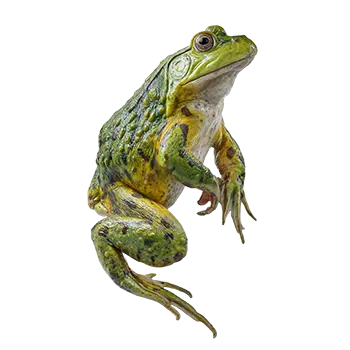

Successful transport of an African Bullfrog begins well before the animal is placed in a travel container. Preparation should start at least several days in advance, with attention to the animal's health status, feeding schedule, and the environmental conditions it will encounter during transit. A bullfrog that is healthy, well-hydrated, and in stable condition is far more likely to tolerate the stress of transport without complications than one that is already compromised by illness, dehydration, or recent feeding.
Feeding should be withheld for at least 48 to 72 hours prior to transport, depending on the size of the animal and the duration of the planned journey. This fasting period allows the digestive tract to empty, reducing the risk of regurgitation during transit and minimizing waste production inside the transport container. African Bullfrogs are robust feeders with powerful digestive systems, and a partially digested meal in the gut during a stressful journey can lead to regurgitation, aspiration, or fouling of the container environment, any of which can compromise the animal's welfare.
The animal's hydration status should be assessed and optimized before departure. African Bullfrogs absorb water primarily through a highly vascularized ventral patch of skin rather than by drinking, so ensuring that the animal has access to clean, dechlorinated water in the days leading up to transport is essential. A well-hydrated bullfrog will have taut, smooth skin and clear eyes, while a dehydrated animal may show sunken eyes, wrinkled skin, and lethargy. If there is any concern about hydration, soaking the animal in shallow lukewarm water for 20 to 30 minutes before packing can help bring moisture levels to an appropriate baseline.
Keepers should also prepare all transport supplies in advance, including an appropriately sized container, moisture-retaining substrate or damp paper towels, insulation materials, and any heat or cold packs that may be needed to maintain safe temperatures during the journey. Having everything assembled and tested before handling the animal minimizes the time the bullfrog spends outside its enclosure and reduces the overall stress of the transport process.