
Zoning & Land Use Regulations

One of the most fundamental legal considerations for any prospective Gypsy Vanner owner is whether local zoning laws permit keeping horses on the property in question. Zoning regulations vary dramatically from one jurisdiction to another, and what is perfectly legal in a rural agricultural zone may be entirely prohibited in a suburban residential area. Before purchasing a Gypsy Vanner, prospective owners should thoroughly research their local zoning ordinances and, if necessary, consult with their municipal planning office to confirm that equine use is allowed on their land.

Many jurisdictions that do permit horses impose specific requirements regarding minimum lot size, setback distances from property lines and neighboring structures, maximum number of animals per acre, and manure management plans. These regulations are designed to balance the rights of horse owners with the interests of neighboring property owners and the broader community. Failure to comply with zoning requirements can result in fines, mandatory removal of the horse, or legal action from neighbors.

Homeowners' associations add another layer of regulation that can affect Gypsy Vanner ownership. Even in areas where municipal zoning permits horses, an HOA's covenants, conditions, and restrictions may prohibit livestock or impose additional requirements beyond what local law demands. Prospective buyers should review all applicable HOA documents carefully before committing to a purchase.

For those who board their Gypsy Vanners at a facility rather than keeping them at home, the zoning question shifts to the boarding stable's location and licensing. Reputable boarding facilities should be properly zoned for commercial equine use and hold any required business licenses or permits. Owners should verify this before entering into a boarding agreement to avoid disruptions caused by zoning enforcement actions against an improperly permitted facility.

Ownership & Registration Requirements

Legal ownership of a Gypsy Vanner, like any horse, is typically established through a bill of sale, registration papers, or both. A clear bill of sale that identifies the horse by name, registration number (if applicable), color, markings, and any microchip or brand information is essential for establishing ownership and resolving any future disputes. Buyers should insist on a written bill of sale even in informal transactions, as verbal agreements can be extremely difficult to enforce.

Registration with a breed organization is not legally required in most jurisdictions, but it serves several important practical purposes. Registration papers provide documented proof of the horse's identity, parentage, and breeding history. For Gypsy Vanners, multiple registries exist — including the Gypsy Vanner Horse Society, the Gypsy Horse Registry of America, and various international organizations — and owners may choose to register with one or more depending on their goals for showing, breeding, or resale.

Some states and countries require equine identification through methods such as microchipping, branding, or Coggins testing documentation. The Coggins test, which screens for Equine Infectious Anemia, is required in most U.S. states before a horse can be transported across state lines, sold at auction, or admitted to shows and events. Owners should maintain current Coggins documentation and be aware of their state's specific requirements regarding testing frequency and record keeping.

Purchase contracts for Gypsy Vanners, particularly for high-value animals, may include additional legal provisions such as pre-purchase veterinary examination contingencies, breeding rights specifications, co-ownership agreements, or right-of-first-refusal clauses. These contractual elements should be reviewed carefully, ideally with the assistance of an attorney experienced in equine law, to ensure that all parties understand their rights and obligations.

Liability & Insurance

Horse ownership carries inherent liability risks, and Gypsy Vanner owners should be aware of the legal frameworks that govern their responsibility for injuries or damages caused by their animals. In many U.S. states, equine activity liability statutes provide some degree of protection for horse owners and equine professionals by limiting liability for injuries that result from the inherent risks of equine activities. However, these protections are not absolute and do not cover negligence, willful misconduct, or failure to warn of known hazards.

Liability insurance is strongly recommended for all horse owners, regardless of breed. Equine liability policies typically cover bodily injury and property damage caused by the insured horse, and may extend to incidents that occur both on and off the owner's property. Premiums vary based on factors including the horse's use, the owner's location, and the coverage limits selected. Owners who allow others to ride their Gypsy Vanner or who offer lessons or trail rides should ensure that their coverage adequately addresses these activities.

Mortality and major medical insurance are additional considerations, particularly for Gypsy Vanners of significant monetary value. Mortality insurance provides compensation if the horse dies or must be euthanized due to illness, injury, or accident. Major medical coverage helps offset the cost of veterinary treatment for serious health conditions. Given the investment that a quality Gypsy Vanner represents, many owners find that the cost of insurance premiums is well justified by the financial protection these policies provide.

Owners who keep their Gypsy Vanners on their own property should also review their homeowner's insurance policy to determine whether equine-related incidents are covered or excluded. Many standard homeowner's policies exclude livestock or equine activities, requiring the purchase of a separate farm or equine liability policy. Boarding stable operators carry their own insurance, but horse owners should not assume that a facility's policy covers their individual horse or their personal liability as an owner.

Animal Welfare & Cruelty Laws

All horse owners, including Gypsy Vanner owners, are subject to animal welfare and cruelty laws that establish minimum standards of care. These laws vary by jurisdiction but generally require that horses be provided with adequate food, water, shelter, veterinary care, and living conditions. Failure to meet these standards can result in criminal charges, fines, seizure of the animal, and in serious cases, imprisonment.

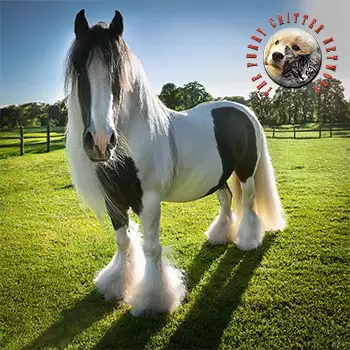
The Gypsy Vanner's heavy feathering and draft-type build create specific care obligations that owners must be prepared to meet. Feathered legs require regular maintenance to prevent skin conditions such as scratches, mud fever, and mites. Neglecting this grooming can lead to painful infections that, if left untreated, may constitute a failure to provide adequate veterinary care under animal cruelty statutes. Owners should be aware that breed-specific care needs do not exempt them from general welfare requirements.

Mandatory reporting laws in many jurisdictions require veterinarians, farriers, and other equine professionals to report suspected cases of neglect or abuse. Horse owners should understand that professionals who work with their animals may be legally obligated to notify authorities if they observe signs of inadequate care. This framework exists to protect the welfare of the animal and should be viewed as a safeguard rather than a threat by responsible owners.

In addition to cruelty and neglect laws, some jurisdictions have specific regulations governing the condition in which horses may be sold or transferred. Laws addressing the sale of horses at auction, the disclosure of known health conditions, and the prohibition of selling horses in poor condition are designed to prevent the transfer of animals into situations where they are unlikely to receive adequate care. Buyers and sellers of Gypsy Vanners should be familiar with the sale regulations in their jurisdiction to ensure compliance.

Import & Export Regulations

The international trade in Gypsy Vanners is subject to a complex web of import and export regulations designed to prevent the spread of infectious diseases and ensure animal welfare during transport. Importing a Gypsy Vanner into the United States from the United Kingdom, Ireland, or continental Europe — the breed's regions of origin — requires compliance with USDA Animal and Plant Health Inspection Service requirements, including pre-export testing, health certificates issued by the exporting country's veterinary authority, and mandatory quarantine upon arrival.

The quarantine period for horses imported into the United States typically lasts a minimum of several days at a USDA-approved quarantine facility, during which the horse is tested for a range of infectious diseases including contagious equine metritis, equine piroplasmosis, and glanders. The cost of quarantine, testing, and associated veterinary care is borne by the importer and can be substantial. Prospective importers should budget for these expenses in addition to the purchase price and shipping costs.

Exporting horses from the United States is subject to the import requirements of the destination country, which may be more or less restrictive than U.S. standards. Some countries require extended quarantine periods, additional testing, or specific vaccination protocols that must be completed before the horse can be shipped. Working with an experienced equine transport agent who specializes in international shipments is highly advisable, as the paperwork and logistics involved can be complex and errors can result in costly delays or the refusal of entry at the destination.

Within the United States, interstate transport of horses is regulated at the state level, with most states requiring a current negative Coggins test and a Certificate of Veterinary Inspection issued within a specified timeframe before the move. Some states have additional requirements, such as specific vaccinations or brand inspections. Owners planning to move or travel with their Gypsy Vanner across state lines should research the requirements of both the origin and destination states well in advance of the planned travel date.

Rescue & Rehoming Law

As the Gypsy Vanner's popularity has grown, so too has the number of horses entering the rescue and rehoming pipeline. Legal frameworks governing equine rescue vary by jurisdiction but generally address issues such as the authority to seize neglected or abused animals, the process for transferring ownership of seized horses, and the legal obligations of rescue organizations that take in and rehome animals.

When a Gypsy Vanner is surrendered to a rescue organization, the terms of the surrender should be clearly documented in writing. A voluntary surrender agreement typically transfers legal ownership from the previous owner to the rescue, granting the organization the authority to provide veterinary care, rehabilitate the horse, and place it in a new home. Without a clear written agreement, disputes over ownership can arise that complicate the horse's care and placement.

Adoption contracts used by rescue organizations often include provisions designed to protect the horse's welfare after placement. Common terms include requirements for regular veterinary and farrier care, restrictions on breeding, right-of-first-refusal clauses that require the adopter to return the horse to the rescue rather than selling or rehoming it independently, and provisions allowing the rescue to conduct periodic welfare checks. Adopters should read and understand all terms of the adoption contract before signing, as these agreements are generally enforceable.

Some jurisdictions have enacted laws that specifically address the responsibilities of equine rescue organizations, including requirements for nonprofit status, minimum standards of care for horses in their custody, and transparency in financial operations. These laws aim to ensure that rescue organizations operate responsibly and that donated funds are used appropriately for the care and rehoming of horses. Prospective adopters and donors should verify that a rescue organization is properly registered, licensed where required, and operates in accordance with applicable regulations.

Always consult a qualified professional before making any health-related decisions. This content is provided for informational reference only and should not replace professional guidance specific to your animal.