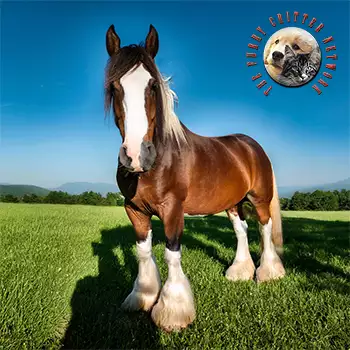

Zoning & Land Use Requirements

Owning a Clydesdale begins with understanding the zoning and land use regulations that govern where horses may be kept. In most jurisdictions, horses are classified as livestock, and their keeping is restricted to parcels zoned for agricultural or rural-residential use. Urban and suburban properties typically prohibit livestock, though some municipalities offer special-use permits or conditional-use exceptions for equine keeping on larger lots. Prospective Clydesdale owners should consult their local planning or zoning office before purchasing a property or a horse.

Because Clydesdales are substantially larger than light horse breeds, the acreage and facility requirements may be more demanding. Local ordinances often specify minimum lot sizes, setback distances from property lines and neighboring dwellings, and maximum animal-per-acre ratios. A Clydesdale's size also means that shelters, run-in sheds, and barns must meet higher structural standards to safely contain an animal that can weigh over a ton. Failure to comply with these requirements can result in fines, orders to remove the animal, or legal action from neighboring landowners.

Homeowners' associations add another layer of regulation. Even on parcels zoned for equine use, an HOA's covenants, conditions, and restrictions may impose additional limits on the number of horses allowed, the types of structures permitted, and the management of manure and waste. These private agreements are enforceable through civil courts and can carry significant financial penalties for violations.

Environmental regulations may also apply to Clydesdale keeping. Manure management, stormwater runoff, and proximity to waterways are increasingly subject to local and state environmental rules. Owners of one or two horses on a private property are typically exempt from the most rigorous requirements, but those operating breeding farms or commercial stables may need to file nutrient management plans or obtain environmental permits. Understanding the full regulatory landscape before acquiring a Clydesdale helps ensure a smooth and legally compliant ownership experience.

Ownership & Registration Requirements

Horse ownership documentation varies by jurisdiction, but several common requirements apply to Clydesdale owners. In many U.S. states, horses must be accompanied by a certificate of veterinary inspection or health certificate when sold, transported, or moved across state lines. Some states also require brand inspection or proof of ownership at the point of sale to help prevent theft and fraud. Retaining a clear chain of ownership documentation, including bills of sale, registration papers, and transfer records, is a prudent practice for any horse owner.

Breed registration through the Clydesdale Breeders of the United States, the Clydesdale Horse Society in the United Kingdom, or equivalent national organizations is not legally required in most jurisdictions, but it provides significant practical benefits. Registration papers establish a horse's identity, parentage, and pedigree, which can be important in disputes over ownership, breeding rights, or insurance claims. Many breed societies also offer microchipping services that provide a permanent and tamper-proof form of identification.

Some jurisdictions require equine identification through brands, lip tattoos, or microchips, particularly for horses involved in commercial activities such as racing, breeding, or public exhibition. While Clydesdales are not commonly raced, those used in commercial driving operations, advertising appearances, or public demonstration events may be subject to identification requirements that vary by state or country.

Taxation is another consideration. In some U.S. states, horses are classified as personal property and are subject to annual property tax assessments. Agricultural exemptions may be available for horses used in farming or breeding operations, but pleasure horses may not qualify. Owners should consult a tax advisor familiar with equine and agricultural tax law in their jurisdiction to understand their obligations and any available exemptions.

Liability & Insurance

Equine liability is a significant legal concern for Clydesdale owners, given the breed's size and the potential severity of injuries that can result from interactions with a horse weighing nearly a ton. Most U.S. states have enacted equine activity liability statutes that provide some degree of protection to horse owners and operators by limiting liability for injuries that result from the inherent risks of equine activities. However, these statutes do not provide blanket immunity, and owners can still be held liable for injuries caused by negligence, failure to warn of known hazards, or the use of faulty equipment.

Comprehensive equine liability insurance is strongly recommended for all Clydesdale owners, regardless of whether the horse is kept for personal pleasure or commercial purposes. A standard equine liability policy covers bodily injury and property damage claims arising from horse-related incidents on the owner's property or at off-site events. Owners who offer riding lessons, host visitors, or participate in public exhibitions should consider additional coverage, as these activities increase the likelihood and potential severity of claims.

Mortality and major medical insurance protect the owner's financial investment in the horse itself. Given that quality Clydesdales can represent a significant purchase price and ongoing investment in training and maintenance, mortality insurance provides reimbursement in the event of death or humane destruction due to illness or injury. Major medical coverage helps offset the cost of emergency veterinary care, surgery, and extended treatment, which can be particularly expensive for a horse of the Clydesdale's size.

Care, custody, and control coverage is relevant for owners who board their Clydesdale at a third-party facility or entrust it to a trainer, transporter, or event organizer. This type of policy covers the horse while it is in someone else's care and can fill gaps left by the boarding or training facility's own insurance. Reviewing the insurance requirements and liability waivers of any facility or service provider before entrusting a Clydesdale to their care is a prudent step for any owner.

Housing & Facility Regulations

Housing a Clydesdale involves compliance with local building codes, agricultural facility standards, and animal welfare regulations that may differ significantly from those applicable to light horse breeds. Barn construction, stall dimensions, ventilation, and fire safety are all subject to regulation in many jurisdictions, and the Clydesdale's size imposes practical requirements that exceed standard minimums. Stalls should be at least twelve by fourteen feet to allow a Clydesdale to lie down and move comfortably, and doorways, aisles, and ceilings must accommodate a horse that may stand eighteen hands tall.

Fencing regulations vary by locality but generally require that horse enclosures be constructed of materials and at heights sufficient to safely contain the animals. For Clydesdales, fencing should be sturdy enough to withstand the impact of a large horse leaning against or running into it. Barbed wire, which is prohibited for horse use in some jurisdictions, is generally considered unsuitable for any horse but poses particular risks for heavy breeds whose feathered legs are susceptible to entanglement and laceration.

Manure management is increasingly regulated at the local and state level. Accumulation limits, storage requirements, setback distances from waterways and property lines, and disposal methods may all be specified in local ordinances or state environmental regulations. A single Clydesdale produces substantially more manure than a lighter breed, making compliance with these rules particularly important. Composting, spreading on fields, or contracting with a waste removal service are common management strategies.

Water access and quality are also subject to regulation. Horses must have continuous access to clean water, and facilities that draw from wells or surface sources may be subject to water rights and usage regulations. In drought-prone areas, water use restrictions can affect the ability to maintain horses, and owners should understand the water allocation framework in their area before committing to horse ownership.

Import & Export Regulations

Moving a Clydesdale across international borders involves a complex web of import and export regulations designed to protect animal health and prevent the spread of disease. In the United States, the importation of horses is regulated by the Animal and Plant Health Inspection Service of the U.S. Department of Agriculture, which requires pre-import testing for diseases including equine infectious anemia, glanders, dourine, and piroplasmosis. Imported horses must be accompanied by a health certificate issued by the competent veterinary authority of the exporting country and must undergo a quarantine period at a USDA-approved facility upon arrival.

Export requirements are equally stringent. Horses leaving the United States must meet the import requirements of the destination country, which may include additional testing, vaccination protocols, and documentation. The Clydesdale's value as breeding stock means that international movement of animals and genetic material, including frozen semen and embryos, is relatively common within the breed community. Each of these materials is subject to its own set of health and export regulations.

Within the United States, interstate transport of horses requires a certificate of veterinary inspection, commonly known as a health certificate, issued within a specified timeframe before travel. Most states also require proof of a negative Coggins test for equine infectious anemia. Some states impose additional requirements, such as specific vaccinations or permits for entry. These requirements can change, so owners should verify current regulations with both the origin and destination state veterinarian's offices before transporting a Clydesdale across state lines.

International breed registries facilitate the transfer of registration papers across borders, but the process can involve additional paperwork and fees. Owners planning to import or export a Clydesdale should contact both the origin and destination breed registries well in advance to ensure that all registration transfers are handled correctly and that the horse's pedigree and identification records remain intact throughout the process.

Welfare & Cruelty Laws

All horse owners are subject to animal welfare and cruelty prevention laws, which vary by jurisdiction but share common principles. At the federal level in the United States, the Horse Protection Act prohibits the practice of soring, a form of abuse most associated with certain gaited horse disciplines but applicable to all breeds. State-level cruelty statutes typically define minimum standards of care including adequate food, water, shelter, and veterinary attention, and provide penalties ranging from fines to felony charges for violations.

For Clydesdale owners, the breed's specific needs create particular welfare considerations. Their large size requires greater quantities of feed and water than light horses, and underfeeding a draft breed can lead to rapid and visible weight loss that may attract the attention of animal control officers or concerned members of the public. Hoof care is another area of heightened concern, as Clydesdales' heavy feathering can conceal developing problems such as scratches, thrush, or abscesses that require regular inspection and treatment.

End-of-life decisions are governed by both welfare laws and professional veterinary ethics. Humane euthanasia performed by a licensed veterinarian is legal in all U.S. states, but the disposal of remains is subject to local regulations that may restrict burial on private property, require cremation, or mandate rendering. The logistical challenges of handling the remains of a horse weighing more than a ton should be considered in advance, and many Clydesdale owners establish relationships with equine cremation or removal services before the need arises.

Reporting obligations vary by jurisdiction. In some states, veterinarians, farriers, and other equine professionals are mandatory reporters of suspected abuse or neglect, similar to the mandatory reporting requirements in human social services. Even in jurisdictions without mandatory reporting laws, anyone who witnesses or suspects equine abuse or neglect can report their concerns to local animal control or law enforcement. These reports are typically investigated, and substantiated cases can result in the seizure of the animal and criminal prosecution of the owner.

Always consult a qualified professional before making any health-related decisions. This content is provided for informational reference only and should not replace professional guidance specific to your animal.