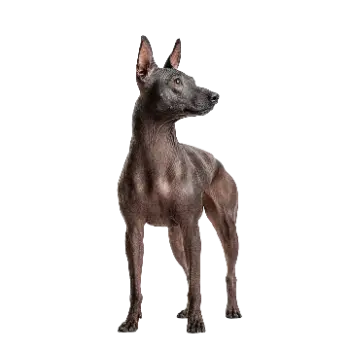

Car Travel

The Xoloitzcuintli generally adapts well to car travel, particularly when introduced to the experience gradually from a young age. The breed's calm temperament and strong bond with its owner make it a naturally agreeable travel companion, and most Xolos settle into a comfortable routine after a few short trips. Early and positive exposure to car rides helps establish a foundation of comfort that will serve both dog and owner well during longer journeys.

Proper restraint is essential for safe car travel with any dog, and the Xoloitzcuintli is no exception. Toy and miniature Xolos can be safely secured in crash-tested travel crates or carrier bags that are belted into the back seat. Standard-sized Xolos may require larger crates or vehicle-specific harness systems that attach to the car's seat belt anchors. Unrestrained dogs pose a significant safety risk in the event of sudden stops or collisions, and many jurisdictions have enacted laws requiring dogs to be properly secured while in moving vehicles.

The Xoloitzcuintli's hairless skin introduces specific considerations for car travel that do not apply to most coated breeds. Direct sunlight streaming through car windows can cause sunburn on exposed skin, so owners should use window shades or UV-blocking window films to protect their dogs during daytime travel. Temperature regulation is also important, as hairless Xolos are more sensitive to both heat and cold than their coated counterparts. Maintaining a comfortable cabin temperature and providing a soft blanket for warmth during cooler conditions will help keep the dog comfortable throughout the journey.

For longer road trips, plan regular rest stops every two to three hours to allow your Xolo to stretch, relieve itself, and take a short walk. Always carry fresh water, a collapsible bowl, and any medications your dog requires. When stopping at rest areas or gas stations, never leave your Xoloitzcuintli unattended in a parked car, as temperatures inside a closed vehicle can reach dangerous levels within minutes, and the Xolo's lack of an insulating coat makes it particularly vulnerable to temperature extremes.

Air Travel

Air travel with a Xoloitzcuintli requires careful planning and an understanding of airline-specific pet policies, which vary significantly between carriers and are subject to frequent changes. Toy and miniature Xolos that meet size and weight requirements may be eligible for in-cabin travel in an airline-approved carrier that fits under the seat in front of the passenger. Standard-sized Xolos will generally need to travel in the cargo hold in an airline-approved crate, though some airlines have suspended or restricted cargo pet transport entirely.

Before booking flights, contact the airline directly to confirm current pet policies, size and weight limits for in-cabin travel, required documentation, and any breed-specific restrictions that may apply. Most airlines require a health certificate issued by a licensed veterinarian within a specified timeframe before departure, typically ten days. Some international routes may require additional documentation, including import permits, rabies titer test results, and proof of parasite treatment. Beginning the documentation process well in advance of travel will help avoid last-minute complications.

The Xoloitzcuintli's sensitivity to temperature extremes is a significant concern during air travel, particularly for dogs traveling in cargo holds. Cargo areas, while pressurized and climate-controlled on most commercial aircraft, can experience temperature fluctuations during loading and unloading. Many airlines impose temperature-related embargoes that restrict pet transport when ground temperatures at the departure or arrival airport exceed or fall below certain thresholds. Owners should consider these restrictions when planning travel and may want to schedule flights during cooler parts of the day or milder seasons.

Acclimating your Xolo to its travel crate well before the date of travel is essential for minimizing stress during the flight. Allow the dog to spend time in the crate at home, gradually increasing the duration of confinement and providing positive associations through treats and comfort items. A familiar blanket or garment with the owner's scent can help soothe the dog during the journey. Consult with your veterinarian about whether anti-anxiety measures are appropriate for your individual dog, as sedation is generally discouraged for air travel but other calming strategies may be beneficial.

Pet-Friendly Accommodations

Finding pet-friendly accommodations for travel with a Xoloitzcuintli has become increasingly manageable as more hotels, vacation rentals, and campgrounds have adopted pet-welcoming policies. Major hotel chains and booking platforms now allow travelers to filter search results by pet policy, making it easier to identify properties that will accommodate your Xolo. However, policies vary widely, and it is always advisable to confirm pet-related details directly with the property before booking.

Many pet-friendly hotels impose restrictions on the number of pets, the size or weight of animals, and the specific rooms or floors where pets are permitted. Some properties charge pet fees or require refundable deposits to cover potential damages. When traveling with a standard-sized Xoloitzcuintli, verify that the property's weight limit accommodates your dog, as some hotels set their thresholds at 25 or 50 pounds. Toy and miniature Xolos are less likely to encounter weight-related restrictions and may have a broader range of accommodation options.

Vacation rental platforms have expanded the options available to traveling dog owners, and many individual property owners are willing to accommodate well-behaved pets. When booking a vacation rental, communicate clearly with the property owner about your dog's breed, size, and temperament, and ask about any specific house rules that apply to pets. The Xoloitzcuintli's reputation as a clean, quiet, and non-shedding breed can work in the owner's favor when negotiating pet-friendly terms with property owners who might otherwise be hesitant.

When staying in any accommodation with your Xoloitzcuintli, basic etiquette goes a long way toward ensuring a positive experience for everyone involved. Bring your dog's own bedding, crate, and feeding supplies to minimize impact on the property. Clean up after your dog promptly, both inside and outside the accommodation. Keep your Xolo on a leash in common areas and respect any designated pet-free zones within the property. Good behavior from traveling dogs and their owners helps maintain and expand the availability of pet-friendly accommodations for all travelers.

Boarding & Pet Sitting

For trips where bringing your Xoloitzcuintli along is not practical, boarding facilities and pet sitting services offer alternative care arrangements. The Xolo's strong attachment to its family and its breed-specific care needs make the selection of a boarding facility or pet sitter a decision that warrants careful research and consideration. Not all boarding facilities are equipped to handle the unique requirements of a hairless breed, and finding a provider who understands the Xolo's temperament and care needs can make a significant difference in the dog's comfort and wellbeing during the owner's absence.

When evaluating boarding facilities, visit the premises in person before committing to a reservation. Look for clean, well-maintained facilities with adequate indoor climate control, as the Xoloitzcuintli's lack of a coat makes it particularly sensitive to drafts, cold floors, and temperature fluctuations. Ask about the facility's daily routine, including feeding schedules, exercise protocols, and the level of individual attention each dog receives. Inquire about the staff's familiarity with hairless breeds and their willingness to follow breed-specific care instructions, such as applying moisturizer or sunscreen.

In-home pet sitting offers an alternative that many Xoloitzcuintli owners prefer, as it allows the dog to remain in its familiar environment and maintain its regular routine. Professional pet sitters who come to the owner's home can provide individualized care and attention that may be difficult to replicate in a group boarding setting. When hiring a pet sitter, provide detailed written instructions covering your Xolo's feeding schedule, skin care routine, exercise needs, and any behavioral quirks or medical considerations the sitter should be aware of.

Another option that has gained popularity among Xolo owners is arranging care through breed-specific networks and communities. Xoloitzcuintli breed clubs and online owner groups sometimes facilitate mutual care arrangements, connecting owners who are willing to look after each other's dogs during travel. These arrangements can be particularly valuable because the caretaker is likely to have direct experience with the breed and an understanding of its specific needs, reducing the learning curve that comes with entrusting a rare breed to an unfamiliar provider.

Emergency Preparedness

Emergency preparedness is an essential component of responsible Xoloitzcuintli ownership, whether at home or while traveling. Natural disasters, severe weather events, vehicle breakdowns, and medical emergencies can all create situations in which having a plan and the right supplies on hand makes a critical difference in your dog's safety and wellbeing. The Xolo's sensitivity to temperature extremes and its breed-specific care requirements make advance planning even more important than it might be for hardier, coated breeds.

Every Xoloitzcuintli owner should maintain an emergency kit that includes essential supplies for the dog. This kit should contain at least three days' worth of food and water, copies of vaccination records and health certificates, current photographs of the dog for identification purposes, a list of emergency veterinary clinics in the area, any medications the dog takes regularly, and basic first aid supplies. For hairless Xolos, include sunscreen, moisturizer, and a lightweight protective garment to shield the skin from sun exposure or harsh weather conditions.

Microchipping and current identification tags are vital safeguards against separation during emergencies. Ensure that your Xoloitzcuintli's microchip registration is up to date with your current contact information, and that the dog wears a collar with legible identification tags at all times during travel. In chaotic emergency situations, dogs can become separated from their owners, and proper identification dramatically increases the likelihood of a successful reunion.

When traveling with your Xoloitzcuintli, research veterinary emergency services along your route and at your destination before you depart. Identify the nearest emergency veterinary hospitals and save their contact information and addresses in your phone. The Xolo's status as a rare breed means that not all veterinary professionals will be familiar with its specific health considerations, so carrying a brief summary of breed-specific medical information can be helpful in emergency veterinary encounters. If your Xolo has any pre-existing health conditions, bring documentation from your regular veterinarian that outlines the dog's medical history and current treatment protocols.

Always consult a qualified professional before making any health-related decisions. This content is provided for informational reference only and should not replace professional guidance specific to your animal.