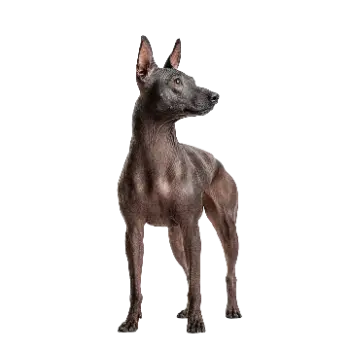

The Xoloitzcuintli is not typically targeted by breed-specific legislation in most jurisdictions. BSL ordinances and national laws most commonly focus on breeds that have been associated with bite incidents and public safety concerns, such as pit bull-type dogs, Rottweilers, and certain mastiff breeds. The Xolo's relatively small population, calm temperament, and low incidence of aggressive behavior have kept it off the radar of most legislative bodies that draft breed-specific restrictions.
However, Xolo owners should be aware that some breed-specific ordinances are written broadly enough to encompass any breed that a local official deems potentially dangerous, regardless of breed-specific data. In jurisdictions where dangerous dog designations are applied on a case-by-case basis rather than by breed name, any individual dog, including a Xoloitzcuintli, could theoretically be subject to restrictions if it is involved in a biting incident or is deemed a threat to public safety.
The Xoloitzcuintli's unusual appearance can occasionally create confusion in encounters with animal control officers or law enforcement personnel who may not be familiar with the breed. Owners have reported instances where their Xolos were mistaken for mixed-breed dogs or were questioned about the dog's breed identity. Carrying registration papers, microchip documentation, or breed club identification can help resolve such situations quickly and smoothly.
Owners who travel with their Xolos across state or national borders should research the breed-specific regulations in their destination jurisdictions before departing. While the Xoloitzcuintli is unlikely to be explicitly named in any restrictive legislation, the patchwork nature of animal control laws means that unexpected local ordinances can sometimes apply. Staying informed is the best defense against inadvertent violations.