
Origins & Development

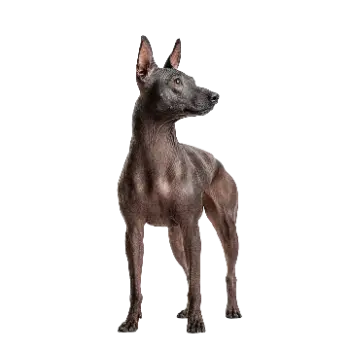
The Xoloitzcuintli, often called the Xolo for short, is one of the oldest and rarest dog breeds in the world. Archaeological evidence and genetic studies place the breed's origins in Mesoamerica more than 3,500 years ago, making it a contemporary of some of the earliest known civilizations in the Western Hemisphere. The breed's name derives from the Nahuatl language, combining the name of the Aztec god Xolotl with the word itzcuintli, meaning dog.

The breed's most striking characteristic, its hairlessness, is the result of a natural genetic mutation that has persisted for millennia. This dominant gene produces the hairless variety, while a recessive expression of the same gene results in a coated version of the breed. Both varieties have existed side by side throughout the Xolo's history, and both are considered equally authentic representatives of the breed.

Pre-Columbian peoples across Mesoamerica, including the Maya, Toltec, Zapotec, and Aztec civilizations, bred and kept Xolos for a variety of purposes. Clay and ceramic figurines depicting hairless dogs have been unearthed at burial sites and ceremonial centers throughout Mexico and Central America, providing a rich archaeological record that documents the breed's deep roots in the region. These artifacts confirm that the Xolo was not merely a companion animal but held a place of genuine importance in ancient societies.

The breed nearly disappeared during the colonial period, when European settlers brought their own dog breeds to the Americas and showed little interest in preserving indigenous varieties. For centuries, the Xolo survived primarily in remote rural communities in Mexico, where traditional attitudes toward the breed helped sustain small populations. It was not until the mid-twentieth century that dedicated breed enthusiasts launched coordinated efforts to locate, document, and selectively breed remaining Xolos, ensuring the breed's survival into the modern era.

Historical Roles

In ancient Mesoamerican cultures, the Xoloitzcuintli served a profoundly spiritual role. The Aztecs believed that the god Xolotl created the dog from a sliver of the Bone of Life, the same bone from which humanity was fashioned. According to mythology, Xolotl gave the dog to humans as a gift, tasking the animal with guarding the living and guiding the souls of the dead through the perilous underworld known as Mictlan. This sacred duty made the Xolo an essential figure in funerary customs, and dogs were frequently buried alongside their owners to serve as spiritual companions in the afterlife.

Beyond their spiritual significance, Xolos were also valued for their perceived healing properties. The breed's hairless skin radiates noticeable body heat, and indigenous peoples used this warmth therapeutically, placing the dogs against ailing parts of the body to treat conditions such as arthritis, joint pain, and respiratory ailments. This practice earned the Xolo a reputation as a living hot-water bottle and continued in folk medicine traditions well into the modern period.

Xolos also served practical roles as watchdogs and household guardians. Their alert and naturally wary temperament made them effective sentinels, and their loyalty to family members ensured that they took their protective duties seriously. In some communities, Xolos were also raised as a source of food, particularly during ceremonial feasts. While this aspect of the breed's history may seem jarring to contemporary sensibilities, it reflects the broader cultural context in which domesticated animals served multiple functions in pre-industrial societies.

During the colonial era, Spanish accounts occasionally referenced the hairless dogs of the New World, though European observers often regarded them as curiosities rather than breeds of significance. This dismissive attitude contributed to the breed's decline during the centuries of colonial rule, as European breeds gained favor among the ruling classes and indigenous dog varieties were increasingly marginalized.

Cultural Symbolism

The Xoloitzcuintli occupies a unique position in the cultural identity of Mexico. More than simply a dog breed, the Xolo has become a national symbol that connects modern Mexico to its pre-Columbian heritage. The breed's ancient lineage and its deep ties to Aztec mythology give it a resonance that few other dog breeds can claim, and it is frequently invoked in discussions of Mexican cultural heritage and indigenous identity.

Prominent Mexican artists of the twentieth century embraced the Xolo as a symbol of national authenticity and resistance to European cultural dominance. The breed appeared in numerous works of art, serving as a visual shorthand for Mexico's indigenous roots and the resilience of pre-Columbian traditions. The Xolo's distinctive appearance, both elegant and unconventional, made it a powerful subject for artistic expression, and its presence in galleries and museums helped raise international awareness of the breed.

In contemporary Mexican culture, the Xoloitzcuintli continues to hold symbolic importance. The breed has been named the national dog of Mexico and is featured in civic celebrations, cultural festivals, and public art installations throughout the country. Xolos appear in Day of the Dead celebrations, where their mythological role as guides for departed souls gives them particular relevance. This annual tradition reinforces the breed's spiritual significance and keeps its ancient associations alive in the public imagination.

The Xolo's cultural symbolism extends beyond Mexico's borders as well. As awareness of the breed has grown internationally, the Xoloitzcuintli has come to represent the broader concept of indigenous heritage preservation. Dog enthusiasts and cultural commentators alike point to the Xolo as a living link to ancient civilizations, a tangible reminder that the cultural achievements of Mesoamerica continue to shape the present.

Breed Clubs & Standards

The formal recognition of the Xoloitzcuintli as a standardized breed has a complex and somewhat turbulent history. The Mexican Kennel Club, known as the Federación Canófila Mexicana (FCM), has been the breed's primary advocate and registry since the mid-twentieth century. The FCM played a central role in the revival efforts of the 1950s, when expeditions into remote areas of Mexico sought out remaining Xolo populations and began the work of establishing a modern breeding program.

The American Kennel Club first recognized the Xoloitzcuintli in 1887, making it one of the earliest breeds admitted to the AKC registry. However, the breed was dropped from the registry in 1959 due to insufficient registrations and a lack of organized breed club activity in the United States. It took more than five decades of sustained advocacy by breed enthusiasts before the AKC reinstated the Xoloitzcuintli in 2011, placing it in the Non-Sporting Group.

The Fédération Cynologique Internationale, the largest international kennel federation, recognizes the Xoloitzcuintli and classifies it in Group 5, which includes spitz and primitive-type dogs. The FCI standard acknowledges three size varieties: toy, miniature, and standard. Both hairless and coated varieties are accepted within the breed standard, though the hairless variety is generally more well known and more frequently exhibited in conformation shows.

Breed clubs dedicated to the Xoloitzcuintli exist in numerous countries, including the United States, Canada, the United Kingdom, and several European nations. These organizations work to promote responsible breeding practices, educate the public about the breed's unique characteristics and care requirements, and preserve the genetic diversity that is essential to the breed's long-term health. Many clubs also coordinate rescue and rehoming efforts for Xolos that find themselves in need of new families.

The Breed Today

The Xoloitzcuintli remains a relatively rare breed worldwide, but its popularity has grown steadily in recent decades. Increased media exposure, combined with the efforts of dedicated breed clubs and breeders, has introduced the Xolo to a wider audience than at any previous point in its modern history. The breed's hypoallergenic qualities, distinctive appearance, and calm temperament have attracted owners who are looking for something genuinely different from the more common companion breeds.

In Mexico, the Xolo enjoys a special status as a living cultural treasure. Breeders in the country work to maintain the breed's traditional characteristics while also ensuring genetic health and diversity. Mexican breed enthusiasts often emphasize the importance of preserving the Xolo's connection to its indigenous roots, viewing responsible breeding as an act of cultural stewardship as much as a canine hobby.

Internationally, the Xoloitzcuintli has developed a devoted following among breed enthusiasts who appreciate its ancient lineage and unique care requirements. The breed's hairless variety requires specific skin care, including moisturizing and sun protection, which sets it apart from most other breeds and appeals to owners who enjoy the hands-on aspects of dog care. The coated variety, while less visually dramatic, has also gained admirers for its low-shedding coat and adaptable temperament.

The Xolo's temperament has proven well suited to modern urban living. The breed is typically calm and quiet indoors, bonds deeply with its family, and adapts well to apartment life provided it receives adequate exercise and mental stimulation. These qualities, combined with the breed's impressive longevity, have positioned the Xoloitzcuintli as an appealing choice for thoughtful dog owners seeking a companion with genuine historical depth.

Notable Individuals

Several prominent figures throughout history have been associated with the Xoloitzcuintli, helping to raise the breed's profile and preserve its legacy. The Mexican muralist Diego Rivera was a devoted Xolo owner who kept multiple dogs throughout his life. Rivera's affection for the breed was well documented, and his Xolos frequently appeared in photographs taken at his home and studio. His ownership helped cement the breed's association with Mexican artistic and intellectual culture.

Frida Kahlo, Rivera's wife and a celebrated artist in her own right, also kept Xoloitzcuintli dogs and featured them in several of her paintings. Kahlo's depictions of her Xolos contributed to the breed's visibility in the art world and reinforced its symbolic connection to Mexican identity. The presence of Xolos in Kahlo's work has ensured that the breed remains associated with one of the most recognizable figures in twentieth-century art.

In the world of dog breeding and preservation, a number of lesser-known individuals have made critical contributions to the Xoloitzcuintli's survival. Norman Pelham Wright, a British author living in Mexico, published a book on the breed in 1960 that helped spark renewed interest in its preservation. Wright and a group of Mexican breed enthusiasts undertook expeditions to locate Xolos in rural communities, acquiring foundation dogs that would form the basis of modern breeding programs.

More recently, the Xoloitzcuintli has gained attention through its adoption by public figures and its appearances at high-profile dog shows. The breed's reinstatement by the American Kennel Club in 2011 brought it to the attention of a broader American audience, and individual Xolos have since earned titles and accolades in conformation, agility, and obedience competitions. These achievements have helped demonstrate the breed's versatility and intelligence, qualities that its ancient breeders recognized thousands of years ago.

Always consult a qualified professional before making any health-related decisions. This content is provided for informational reference only and should not replace professional guidance specific to your animal.