
Car Travel

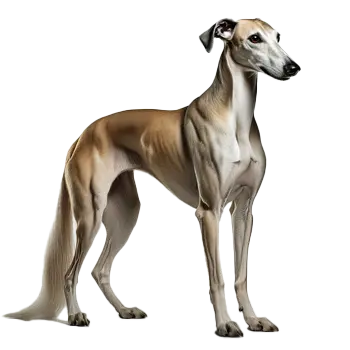
The Sloughi's calm and composed temperament generally makes it a good car travel companion, provided that the dog has been properly acclimated to vehicle travel from an early age. Puppies and newly adopted Sloughis should be introduced to the car gradually, starting with short trips and building up to longer journeys as the dog becomes comfortable with the motion, sounds, and confinement of vehicular travel. Positive associations created early on — treats, praise, and calm energy — will pay dividends for years of stress-free road trips.

Proper restraint is essential for the safety of both the dog and the vehicle's human occupants. The Sloughi's size and long-legged build make crate travel the safest option for most car journeys. A crate sized appropriately for the dog allows it to stand, turn, and lie down comfortably while preventing the dog from becoming a projectile in the event of a sudden stop or collision. For owners who prefer not to use a crate, a crash-tested canine seatbelt harness designed for medium to large dogs is an acceptable alternative, though crates generally offer superior protection.

Temperature management during car travel is critically important for the Sloughi. With its lean build, minimal body fat, and short single coat, the breed is more sensitive to temperature extremes than many other dogs. In warm weather, the car should be well-ventilated or air-conditioned, and the dog should never be left unattended in a parked vehicle even for brief periods. In cold weather, a dog coat or blanket can help keep the Sloughi comfortable during rest stops and transitions between the heated car and cold outdoor air.

For long road trips, plan regular stops every two to three hours to allow the dog to stretch, relieve itself, and drink water. The Sloughi's sighthound instincts mean that rest stops should always be conducted on a secure leash or in a fenced area — even a well-trained Sloughi can be triggered into a sprint by the sight of a squirrel or rabbit, and a highway rest area is no place for a high-speed chase. Pack a travel kit that includes water, a portable bowl, waste bags, any medications the dog requires, and a copy of vaccination records.

Air Travel

Air travel with a Sloughi requires careful planning and an understanding of the limitations and risks involved. Due to the breed's size, Sloughis cannot travel in the cabin of most commercial airlines and must instead be transported in the cargo hold in an airline-approved crate. Cargo travel exposes the dog to temperature fluctuations, noise, pressure changes, and extended periods of confinement, all of which can be stressful for a sensitive breed like the Sloughi.

When cargo travel is necessary, owners should select a direct flight whenever possible to minimize transit time and reduce the risk of mishandling during layovers. The crate should be sturdy, well-ventilated, and large enough for the Sloughi to stand at full height and turn around comfortably. Line the crate with absorbent bedding, attach a water dish that can be filled from outside, and affix clear labeling with the dog's name, the owner's contact information, and any special handling instructions.

Some airlines have restrictions on flying brachycephalic breeds due to respiratory concerns, but sighthounds like the Sloughi may face their own set of challenges. The breed's lean physique and low body fat percentage make it more susceptible to temperature stress, and the Sloughi's sensitive temperament means that the unfamiliar environment of an airplane cargo hold can be particularly distressing. Owners should consult with their veterinarian before booking air travel to assess whether their individual dog is a good candidate for the experience.

Alternatives to commercial air travel include pet transport services that specialize in ground transportation over long distances, as well as private charter services that allow dogs to travel in the cabin with their owners. These options are more expensive but can significantly reduce stress for both the dog and the owner. For international travel, all applicable import regulations, health certificates, and vaccination requirements must be arranged well in advance of the departure date, as discussed in the legal considerations section of this guide.

Pet-Friendly Accommodations

Finding pet-friendly accommodations for a Sloughi is generally straightforward, as many hotels, vacation rentals, and campgrounds now welcome dogs. However, the Sloughi's size may trigger weight-based restrictions at properties that only accept small dogs, so it is important to verify pet policies before booking. Confirm not only that dogs are permitted but also whether there are weight limits, breed restrictions, or additional fees that may apply.

When staying in a hotel or rental property with a Sloughi, preparation and courtesy go a long way toward ensuring a positive experience. Bring the dog's own bedding or a familiar blanket to provide comfort in an unfamiliar environment. The Sloughi's reserved temperament means it may take time to settle into a new space, and familiar scents can ease the transition. Crate training is particularly valuable in travel contexts, as a crate-trained Sloughi can be safely contained in the room when the owner needs to step out briefly.

The Sloughi's generally quiet and clean nature makes it an excellent hotel guest compared to many other breeds. Sighthounds are not typically prone to excessive barking, destructive chewing, or the kind of anxious behavior that leads to complaints from neighboring rooms. However, the breed's sensitivity to new environments means that owners should be attentive to signs of stress and provide reassurance as needed during the first hours in a new location.

For extended stays or family vacations, pet-friendly vacation rentals with enclosed yards offer the best setup for a Sloughi. A secure outdoor space allows the dog to stretch and move freely without the constraints of a leash, which is particularly important for a breed that craves the opportunity to run. Always inspect fencing before allowing the dog off-leash, as Sloughis are capable of clearing surprisingly tall barriers when motivated, and gaps or weak points in a fence can provide an escape route for a determined sighthound.

Boarding & Pet Sitting

The Sloughi's strong bond with its owner and tendency toward reserve with strangers make boarding and pet sitting decisions particularly important for this breed. A Sloughi that is placed in a loud, chaotic boarding kennel surrounded by unfamiliar dogs and handlers may experience significant stress, potentially leading to refusal to eat, withdrawal, or gastrointestinal upset. Choosing a boarding facility or pet sitter that understands sighthound temperament is essential for the dog's wellbeing.

In-home pet sitting is often the preferred option for Sloughi owners, as it allows the dog to remain in its familiar environment with its established routines. A pet sitter who visits the home multiple times per day or stays overnight can provide the continuity and calm that the Sloughi needs. Ideally, the sitter should meet the dog several times before the owner's departure so that a relationship can begin to form. Sloughis are slow to warm up to new people, and a complete stranger arriving to take over care on the day of departure can be unsettling.

If boarding is the only option, seek out facilities that offer private or semi-private accommodations rather than large communal play areas. Some boarding operations cater specifically to sighthounds or sensitive breeds, providing a quieter environment with individualized attention. Tour any prospective facility in person, ask about staff-to-dog ratios, inquire about how dogs are grouped and supervised, and request references from other sighthound owners who have used the service.

Regardless of the arrangement chosen, leave detailed written instructions covering the dog's feeding schedule, dietary requirements, exercise routine, medications, veterinary contact information, and any behavioral notes that the caretaker should be aware of. Include information about the Sloughi's prey drive and the importance of secure leashing and fencing, as a caretaker unfamiliar with sighthounds may not anticipate the speed and determination with which a Sloughi can pursue a small animal.

Emergency Preparedness

Emergency preparedness is an important consideration for all pet owners, and Sloughi owners should take steps to ensure that their dog is included in any emergency planning. Natural disasters, severe weather events, and other emergencies can require rapid evacuation, and having a plan in place for the dog can prevent dangerous delays and difficult decisions under pressure.

Assemble an emergency kit for the Sloughi that includes at least three days' worth of food, water, and any medications the dog requires. Include copies of vaccination records, registration documents, and a recent photograph of the dog for identification purposes. A spare leash, collar with identification tags, and a portable crate or carrier should be readily accessible. The Sloughi's sensitivity to cold makes it advisable to include a dog coat or blanket in the emergency kit, particularly for owners in regions where winter storms or cold-weather evacuations are a possibility.

Identify in advance where you will take your Sloughi in the event of an evacuation. Not all emergency shelters accept pets, so research pet-friendly shelters, hotels outside your immediate area, and the homes of friends or family who would be willing to host you and your dog. Many communities maintain lists of pet-friendly emergency resources, and breed clubs or sighthound networks can be valuable sources of mutual aid during regional emergencies.

Microchipping and maintaining current contact information with the microchip registry are critical safeguards against separation during an emergency. A frightened Sloughi that escapes during a chaotic evacuation can cover enormous distances in a short time, making visual identification and physical searching extremely difficult. A microchip provides a permanent, tamper-proof link between the dog and its owner that cannot be lost, removed, or destroyed. Ensure that the microchip number is registered, that the contact information is current, and that a secondary contact person is listed in case the primary owner is unreachable.

Always consult a qualified professional before making any health-related decisions. This content is provided for informational reference only and should not replace professional guidance specific to your animal.