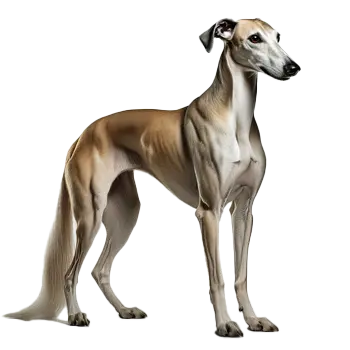

Breed-Specific Legislation

The Sloughi is not typically targeted by breed-specific legislation in most jurisdictions. BSL ordinances tend to focus on breeds perceived as dangerous or aggressive, such as pit bull types, Rottweilers, and similar breeds. The Sloughi's gentle temperament, relatively low public profile, and sighthound classification generally place it outside the scope of these laws. However, owners should remain aware that some BSL frameworks use broad or vague language that could theoretically encompass any breed, and local enforcement can vary.

In some regions, sighthounds as a group have faced scrutiny related to coursing and hunting regulations rather than aggression-based BSL. Laws governing the use of dogs for hunting vary widely by country and jurisdiction, and owners who wish to use their Sloughi for any form of coursing or field work must familiarize themselves with local hunting statutes. In parts of Europe and North Africa, traditional hunting with sighthounds has been restricted or regulated in ways that directly affect Sloughi owners.

It is worth noting that breed identification in legal contexts is often imprecise. The Sloughi's lean build and sighthound appearance may lead to misidentification by officials unfamiliar with the breed, potentially causing confusion in jurisdictions where breed-based rules exist. Owners may find it helpful to carry registration papers, microchip documentation, or breed verification from a recognized kennel club to clarify their dog's identity if questions arise.

As breed-specific legislation continues to evolve globally, with some jurisdictions moving toward behavior-based assessments rather than breed-based restrictions, the landscape may shift in ways that affect all dog owners. Sloughi owners should stay informed about legislative developments in their area and participate in public comment periods or advocacy efforts when proposed laws could impact their breed.

Ownership Requirements

General dog ownership requirements apply to the Sloughi as they do to all breeds, though the specifics vary significantly by jurisdiction. Most localities require dogs to be licensed and vaccinated against rabies, with proof of vaccination maintained and available for inspection. Microchipping is mandatory in many countries and an increasing number of U.S. states and municipalities, and it is strongly recommended even where not legally required as a means of ensuring that a lost Sloughi can be returned to its owner.

Leash laws are a particularly relevant consideration for Sloughi owners. As a sighthound with a strong prey drive, the Sloughi is capable of extraordinary bursts of speed and may pursue small animals if given the opportunity. Most urban and suburban jurisdictions require dogs to be leashed in public spaces, and owners should comply with these regulations both for legal reasons and for the safety of their dog. Off-leash exercise should be confined to securely fenced areas or designated off-leash zones.

Some jurisdictions impose additional requirements on dog owners, such as mandatory spay and neuter ordinances, limits on the number of dogs per household, or requirements for specific types of fencing or containment. Sloughi owners should research the regulations in their specific location, as violations can result in fines, confiscation of the dog, or other legal consequences. Breed clubs and local kennel clubs can often provide guidance on navigating these requirements.

For those acquiring a Sloughi from a breeder, contractual obligations may also come into play. Many responsible breeders include clauses in their sales contracts regarding spay and neuter timing, co-ownership arrangements, health testing, and return policies. While these are private contractual matters rather than government regulations, they carry legal weight and should be reviewed carefully before signing.

Liability & Insurance

Dog owners are generally held liable for injuries or property damage caused by their animals, and the Sloughi is no exception. Liability frameworks vary by jurisdiction, with some following strict liability standards where the owner is responsible regardless of prior knowledge of the dog's behavior, and others applying a negligence standard that considers whether the owner took reasonable precautions. Understanding the liability framework in your jurisdiction is essential for responsible ownership.

Homeowners and renters insurance policies typically include some coverage for dog-related incidents, but the extent of this coverage varies. Some insurance companies maintain breed exclusion lists that can affect coverage availability or premiums. While the Sloughi is rarely included on such lists due to its gentle reputation and rarity, owners should verify their coverage and disclose dog ownership to their insurer to avoid gaps in protection. Failing to disclose a dog can result in denied claims.

The Sloughi's prey drive, while not directed at humans, can create liability situations involving other animals. A Sloughi that escapes and injures or kills a neighbor's small pet could expose its owner to significant financial and legal liability. Secure containment, reliable recall training, and responsible management of the dog in public spaces are all practical steps that reduce both risk and potential liability exposure.

Owners who participate in organized activities with their Sloughi, such as lure coursing events, dog shows, or breed meet-ups, should be aware of the liability frameworks governing those events. Most event organizers require participants to sign waivers and carry their own insurance. Some breed clubs offer group liability insurance to their members, which can provide an additional layer of protection for active participants in the Sloughi community.

Housing Restrictions

Housing restrictions represent one of the most common legal challenges faced by dog owners, and Sloughi owners should be prepared to navigate them. Many rental properties, condominiums, and homeowners associations impose breed restrictions, weight limits, or outright bans on pets. While the Sloughi is unlikely to appear on a restricted breed list by name, weight limits in the range of 25 to 50 pounds could exclude a breed that typically weighs between 45 and 65 pounds.

The Fair Housing Act in the United States provides protections for individuals with disabilities who require assistance animals, including emotional support animals, but these protections do not extend to pets without a documented disability-related need. Owners who do not qualify for these protections must comply with their housing provider's pet policies, even if they find those policies unreasonable or poorly informed about their specific breed.

When searching for pet-friendly housing, Sloughi owners may benefit from providing prospective landlords with information about the breed's temperament, including its quiet nature, low tendency toward destructive behavior when properly exercised, and general cleanliness. Letters from veterinarians, training certificates, and references from previous landlords can all help build a case for acceptance in housing situations where breed or size restrictions are negotiable.

For Sloughi owners who are homeowners, local zoning ordinances and HOA rules may still impose restrictions on the number of dogs permitted, fencing requirements, and noise complaints. Sighthounds are generally not known for excessive barking, which can work in the owner's favor, but proactive communication with neighbors and compliance with community rules are the best strategies for avoiding conflicts that could escalate into legal disputes.

Import & Export Regulations

Given the Sloughi's origins in North Africa and its relatively small global population, international movement of dogs for breeding and competition is a regular feature of the Sloughi community. Import and export regulations vary significantly by country and must be carefully navigated to avoid quarantine, confiscation, or denial of entry. Most countries require a valid health certificate issued by a licensed veterinarian within a specified timeframe before travel, along with proof of current rabies vaccination.

The European Union maintains a standardized pet passport system that simplifies travel between member states for dogs with up-to-date vaccinations and microchip identification. Sloughi owners based in or traveling within Europe can take advantage of this system, though entry from non-EU countries, including North African nations of origin, requires additional documentation and may involve waiting periods related to rabies titer testing.

Importing a Sloughi into the United States involves compliance with CDC regulations, which have been updated in recent years to include additional requirements for dogs arriving from countries classified as high-risk for rabies. North African countries fall into this category, meaning that importing a Sloughi directly from Morocco, Algeria, Tunisia, or Libya requires advance planning, specific veterinary documentation, and potentially a period of observation or quarantine upon arrival. Prospective importers should consult the most current CDC and USDA guidelines well in advance of any planned importation.

CITES regulations generally do not apply to domestic dog breeds, but owners should be aware that some countries impose their own restrictions on the movement of animals across borders for reasons related to biosecurity, disease control, or animal welfare. Australia and New Zealand, for example, maintain particularly strict import protocols that include extended quarantine periods. Sloughi owners planning international travel or relocation with their dog should begin the documentation process months in advance to ensure compliance with all applicable regulations.

Rescue & Shelter Law

The intersection of rescue, shelter operations, and the law affects the Sloughi community in several important ways. In most jurisdictions, animal shelters and rescue organizations are subject to state and local regulations governing holding periods, veterinary care standards, adoption procedures, and euthanasia protocols. These laws are designed to protect both animals and the public, but they can create challenges for rare breeds like the Sloughi that may not be recognized or properly identified by shelter staff.

Breed-specific rescue organizations play a vital role in the Sloughi community by intercepting dogs that enter the shelter system and placing them in breed-knowledgeable homes. These organizations typically operate as registered nonprofits and must comply with applicable state laws regarding charitable organizations, including registration requirements, financial reporting, and fundraising regulations. Supporters of Sloughi rescue should verify that organizations they donate to are properly registered and transparent in their operations.

The legal status of dogs surrendered to rescue organizations can be complex. Depending on the circumstances of surrender, the original owner may or may not retain any legal claim to the animal. Most rescue organizations use surrender contracts that transfer ownership permanently, but disputes can arise, particularly in cases involving stolen dogs, dogs seized by animal control, or dogs surrendered under duress. Rescue volunteers and foster families should be familiar with the legal frameworks governing animal custody in their jurisdiction.

International rescue efforts present additional legal complexities. Some Sloughi rescue organizations focus on dogs from North Africa, where the breed may face abandonment, abuse, or culling as traditional lifestyles change. Importing rescue dogs across international borders requires compliance with all applicable import regulations, health certification requirements, and quarantine protocols. These logistical and legal hurdles add cost and complexity to international rescue operations but are essential for ensuring that rescued dogs arrive safely and legally in their new countries.

Always consult a qualified professional before making any health-related decisions. This content is provided for informational reference only and should not replace professional guidance specific to your animal.