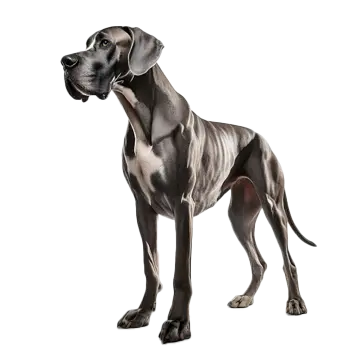

Traveling by car with a Great Dane requires planning and the right equipment to ensure safety and comfort for both the dog and the passengers. Standard dog crates are typically too small for an adult Great Dane, so owners should invest in an extra-large or giant-sized travel crate rated for the dog's weight. The crate should be secured in the cargo area of an SUV, minivan, or station wagon, as most sedans cannot accommodate a crate large enough for a Great Dane. Crash-tested crates provide the best protection in the event of an accident.
For owners who cannot accommodate a crate, a heavy-duty vehicle harness designed for giant breeds is an alternative. These harnesses attach to the vehicle's seat belt system and restrain the dog in the back seat, reducing the risk of injury during sudden stops or collisions. It is important to select a harness that is specifically rated for the dog's weight, as standard harnesses may not withstand the forces generated by a dog weighing over 100 pounds.
Frequent rest stops are essential during long car trips with a Great Dane. Giant breeds benefit from regular opportunities to stretch their legs, relieve themselves, and drink water. A good rule of thumb is to stop every two to three hours, allowing the dog 10 to 15 minutes of walking and a chance to hydrate. Owners should never leave a Great Dane unattended in a parked vehicle, as the breed is particularly susceptible to heatstroke due to its large body mass and relatively inefficient cooling mechanisms.
Motion sickness can affect some Great Danes, particularly younger dogs who are not accustomed to car travel. Gradual acclimation through short, positive trips can help reduce anxiety and nausea over time. Feeding the dog a light meal several hours before travel rather than immediately beforehand can also help minimize stomach upset. Owners concerned about persistent motion sickness should consult their veterinarian about safe anti-nausea options.