
Film & Television

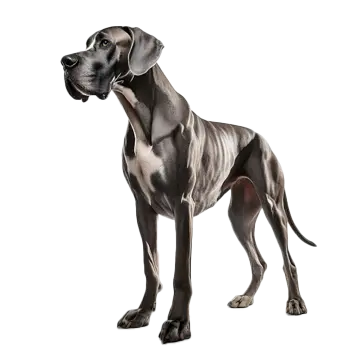
The Great Dane's towering stature and expressive face have made it a natural fit for the screen. Perhaps the most iconic Great Dane in entertainment history is the animated character Scooby-Doo, who first appeared on television in 1969 and has since become one of the most recognizable fictional dogs in the world. The character's lovable cowardice and insatiable appetite, set against his large and imposing frame, created a comedic contrast that resonated with audiences for decades. The franchise has spawned numerous animated series, feature films, and direct-to-video releases that continue to introduce the breed to new generations.

Beyond animation, Great Danes have appeared in live-action films and television shows, often cast in roles that capitalize on their dramatic size. The breed's gentle nature makes them relatively manageable on set despite their imposing appearance, and trained Great Danes have proven capable of performing alongside human actors in both comedic and dramatic contexts. Their visual impact on screen is immediate, and directors have frequently used the breed to convey a sense of scale, loyalty, or gentle humor.

The breed has also appeared in numerous family-oriented television programs, where their interactions with children and other animals provide heartwarming content. Great Danes cast in recurring television roles have often become fan favorites, with audiences drawn to the contrast between their enormous bodies and their sweet, docile behavior. These portrayals have played a significant role in shaping public perception of the breed as a gentle family companion.

Documentary programming has also featured the Great Dane extensively, with breed-specific episodes appearing on major networks and streaming platforms. These programs typically explore the breed's history, health considerations, and daily life with owners, providing educational content that complements the fictional portrayals found elsewhere in media.

Literature & Art

Great Danes have occupied a prominent place in literature and visual art for centuries. European painters of the 17th and 18th centuries frequently included Great Danes in portraits of aristocrats and hunting scenes, using the breed to signify wealth, power, and refined taste. These paintings provide valuable historical records of the breed's evolution in size, proportion, and coloring over the centuries, and many are displayed in major museums across Europe.

In literature, the Great Dane has appeared in novels, short stories, and children's books as both a central character and a supporting presence. Authors have drawn on the breed's combination of size and gentleness to create characters that embody loyalty, protection, and quiet strength. The breed's distinctive appearance makes it easy for readers to visualize, and Great Dane characters tend to leave lasting impressions in the stories they inhabit.

The comic strip tradition has also embraced the Great Dane, most notably through the character Marmaduke, created by Brad Anderson. The strip, which debuted in 1954, depicted the humorous misadventures of an oversized Great Dane and his family. Running for decades in newspapers worldwide, Marmaduke introduced millions of readers to the comedic realities of living with a giant breed and became one of the longest-running single-panel comic strips in American newspaper history.

Contemporary authors and illustrators continue to feature Great Danes in their work, from picture books aimed at young children to literary fiction for adult readers. The breed's visual distinctiveness and well-known temperament make it a versatile literary device, capable of representing everything from gentle guardianship to comic relief.

Internet & Social Media

The rise of social media has given the Great Dane an enormous platform, with dedicated accounts on major platforms amassing hundreds of thousands of followers. The breed's size makes for inherently shareable content, as photos and videos of Great Danes attempting to fit on laps, squeezing into small spaces, or standing next to their much smaller canine companions regularly go viral. The visual humor of a dog that doesn't seem to realize how large it is resonates broadly with online audiences.

Great Dane owners have built thriving online communities where they share advice, stories, and support related to the unique challenges and joys of giant breed ownership. These communities serve as valuable resources for prospective owners researching the breed, as well as gathering places for experienced owners to discuss topics ranging from nutrition and health to training and socialization. The breed's online presence has helped demystify giant breed ownership and made information more accessible than ever before.

Video content featuring Great Danes consistently performs well across platforms, with clips of the dogs interacting with babies, cats, and other animals generating millions of views. The breed's gentle and patient nature is on full display in these videos, providing compelling visual evidence of the Great Dane's suitability as a family pet. Content creators have leveraged this appeal to build dedicated channels focused entirely on Great Dane life.

The breed's social media presence has also served an educational purpose, with veterinarians, breeders, and rescue organizations using platforms to share information about health, responsible breeding, and adoption. Posts about conditions common to giant breeds, proper nutrition, and the importance of health screening reach audiences that might not otherwise encounter this information, contributing to better outcomes for Great Danes and their owners.

Advertising & Branding

The Great Dane's imposing silhouette and regal bearing have made it a popular choice in advertising and corporate branding. Companies seeking to project an image of strength, reliability, and elegance have frequently incorporated Great Danes into their campaigns. The breed's visual impact is immediate and unmistakable, allowing advertisers to communicate these qualities with a single image rather than relying on text or narration.

In the pet industry, Great Danes frequently appear in marketing materials for premium dog food brands, veterinary services, and pet accessories designed for large breeds. Their presence signals quality and specialization, suggesting that a product or service is designed to meet the needs of even the largest and most demanding breeds. This association with the premium segment of the pet market has reinforced the Great Dane's image as a breed that commands special attention and care.

Beyond the pet industry, Great Danes have appeared in campaigns for automotive brands, insurance companies, and luxury goods, where their combination of size and refinement serves as a metaphor for the products being sold. The breed's calm and composed demeanor in professional settings makes them reliable models, and experienced animal trainers report that Great Danes are generally cooperative and adaptable during photo and video shoots.

The breed's association with the fictional character Scooby-Doo has also created significant licensing and merchandising opportunities, with the character's image appearing on everything from lunchboxes to clothing. While this character is a stylized and exaggerated version of the breed, the merchandising empire built around it has ensured that the Great Dane remains one of the most commercially visible dog breeds in the world.

The Popularity Effect

The Great Dane's prominent media presence has had a measurable impact on breed popularity and public perception. Spikes in breed registrations have historically correlated with the release of major films and television programs featuring the breed, as new audiences discover the Great Dane's appeal and seek to bring one into their homes. This pattern is consistent with broader trends in canine breed popularity, where media exposure drives increased demand.

However, the popularity effect carries significant responsibilities and challenges. The surge in demand following media exposure can lead to an increase in irresponsible breeding, as unqualified breeders attempt to capitalize on the trend. Breed clubs and rescue organizations have worked to counter this by emphasizing the importance of purchasing from health-tested, reputable breeders and by promoting adoption from breed-specific rescues as an alternative.

The gap between the media portrayal of Great Danes and the reality of ownership is another concern. Fictional Great Danes are often depicted as low-maintenance companions, while the reality involves significant commitments of space, food, veterinary care, and time. A fully grown Great Dane can consume several cups of food per day, requires regular veterinary checkups for conditions common to giant breeds, and needs adequate living space to move comfortably. Breed advocates consistently work to educate prospective owners about these realities.

Despite these challenges, the overall effect of media exposure on the Great Dane has been largely positive. Increased visibility has raised awareness of the breed's gentle temperament, fostered stronger rescue networks, and built a global community of dedicated owners and enthusiasts. The breed's media legacy ensures that the Great Dane remains one of the most recognized and beloved dog breeds in the world.

Always consult a qualified professional before making any health-related decisions. This content is provided for informational reference only and should not replace professional guidance specific to your animal.