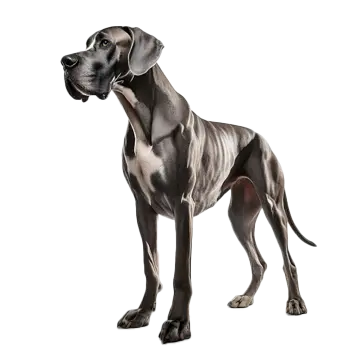

Breed-Specific Legislation

Great Danes are not commonly targeted by breed-specific legislation (BSL) in the way that certain other breeds are. Most BSL frameworks focus on breeds perceived as inherently aggressive, and the Great Dane's reputation as a gentle and friendly companion has generally kept it off restricted breed lists. However, some jurisdictions define restricted breeds broadly based on size or weight thresholds rather than breed name alone, which can inadvertently include Great Danes and other giant breeds.

In certain municipalities, dogs exceeding a specific weight limit may be subject to additional regulations regardless of breed. These can include mandatory muzzling in public spaces, enhanced containment requirements, or higher licensing fees. Great Dane owners should research the specific regulations in their city, county, or municipality to determine whether any size-based restrictions apply to their dog. Regulations vary significantly between jurisdictions, and what applies in one area may not apply in a neighboring one.

Outside the United States, some countries maintain breed lists that could potentially affect Great Dane owners. While the breed is rarely explicitly named, broad definitions of "large" or "dangerous" dogs in certain national or regional laws may create compliance obligations. Owners planning to relocate internationally or travel abroad with their Great Dane should thoroughly research the destination country's canine legislation well in advance.

Breed-specific legislation remains a topic of ongoing debate among lawmakers, veterinary professionals, and animal welfare organizations. Many organizations advocate for breed-neutral approaches that focus on responsible ownership and individual dog behavior rather than breed identity. Great Dane breed clubs have generally supported these breed-neutral approaches, emphasizing that temperament and behavior are more meaningful indicators of risk than breed or size alone.

Ownership Requirements

General dog ownership requirements apply to Great Danes in the same way they apply to any other breed. Most jurisdictions require dogs to be licensed and vaccinated against rabies, with proof of vaccination often needed for licensing. Great Dane owners should stay current with local licensing requirements, as fees, renewal schedules, and documentation requirements vary by location. Some jurisdictions offer reduced licensing fees for spayed or neutered dogs.

Leash laws are a universal consideration for Great Dane owners. Given the breed's size and strength, maintaining control in public spaces is both a legal requirement and a practical necessity. A fully grown Great Dane can weigh well over 150 pounds, and an untrained or excitable dog of this size can be difficult to manage on a standard leash. Many experienced owners recommend using sturdy, well-fitted harnesses and investing in professional training to ensure reliable leash behavior.

Some homeowners' associations and local ordinances impose restrictions on the number of pets per household or the total weight of dogs permitted on a property. These rules can be particularly relevant for Great Dane owners, as a single dog may approach or exceed weight limits designed with smaller breeds in mind. Prospective owners living in areas governed by HOAs or similar bodies should review applicable rules before acquiring a Great Dane.

Spay and neuter requirements vary by jurisdiction, with some areas mandating sterilization for all dogs over a certain age or imposing higher licensing fees for intact animals. Great Dane owners and breeders should be aware of these requirements, as giant breeds may have specific veterinary considerations regarding the timing of spay and neuter procedures. Consulting with a veterinarian experienced with giant breeds is advisable when making decisions about sterilization.

Liability & Insurance

Dog owners are generally liable for injuries or damage caused by their pets, and this liability extends fully to Great Dane owners. Given the breed's size, even unintentional actions such as jumping on a person or knocking someone over can result in injuries that may lead to legal claims. Owners should be aware of their jurisdiction's liability framework, which may follow strict liability principles (where the owner is responsible regardless of fault) or a "one-bite" rule (where liability may depend on the owner's knowledge of the dog's propensity for harmful behavior).

Homeowner's and renter's insurance policies are a critical consideration for Great Dane owners. Some insurance companies maintain breed restriction lists that may affect coverage, though Great Danes are less frequently restricted than breeds more commonly associated with bite incidents. However, policies may include exclusions for dogs above certain weight thresholds, which could affect Great Dane owners. It is important to disclose dog ownership to insurance providers and confirm that coverage extends to incidents involving the pet.

Liability can extend beyond bite incidents to include property damage, injuries from the dog jumping on visitors, tripping hazards posed by a large dog in a home, and damage caused during walks or outings. Great Dane owners should consider umbrella liability policies for additional protection beyond the limits of standard homeowner's or renter's insurance. These policies provide an extra layer of financial security in the event of a significant claim.

Proactive risk management is the most effective approach to minimizing liability concerns. This includes thorough obedience training, proper socialization from a young age, secure fencing and containment, and responsible supervision in public settings. Owners who can demonstrate a history of responsible ownership and training are better positioned to defend against liability claims should an incident occur.

Housing Restrictions

Housing restrictions represent one of the most significant legal challenges for Great Dane owners. Many rental properties, condominiums, and planned communities impose breed restrictions or weight limits on pets, and Great Danes frequently exceed these thresholds. A weight limit of 50 or 75 pounds, common in many lease agreements, effectively excludes all adult Great Danes. Prospective tenants should clarify pet policies before signing a lease and obtain written confirmation that their Great Dane is permitted.

The Fair Housing Act provides some protections for individuals who require assistance animals, including emotional support animals and service dogs. If a Great Dane is designated as an assistance animal with appropriate documentation, housing providers may be required to make reasonable accommodations regardless of breed or weight restrictions. However, the process for obtaining and verifying these designations varies, and owners should consult current federal and local guidelines.

Homeowners' associations can impose their own pet restrictions, which may include breed lists, weight limits, or numerical caps on the number of pets per household. These restrictions are typically outlined in the HOA's covenants, conditions, and restrictions (CC&Rs), and violations can result in fines or legal action. Great Dane owners considering purchasing property in an HOA-governed community should carefully review these documents before committing to a purchase.

For owners who already reside in restricted housing, navigating a change in pet policy can be challenging. Some owners have successfully petitioned HOAs or landlords to modify breed or weight restrictions by providing temperament assessments, proof of training, and references from previous landlords or neighbors. While there is no guarantee of success, a well-prepared case demonstrating the dog's good behavior can be persuasive.

Import & Export Regulations

Transporting a Great Dane across international borders requires compliance with a complex web of import and export regulations that vary by country. Most nations require a valid health certificate issued by an accredited veterinarian within a specified timeframe before travel, typically 10 days. Rabies vaccination is almost universally required, with many countries mandating a minimum waiting period between vaccination and entry. Some countries also require rabies titer testing to confirm adequate antibody levels.

The European Union maintains a standardized pet passport system for travel between member states, which simplifies the process for owners moving within the EU. Dogs entering the EU from non-member countries must meet specific vaccination, microchipping, and health certification requirements. The United Kingdom, following its departure from the EU, has implemented its own set of pet travel regulations that differ from EU requirements and include specific documentation and entry procedures.

Australia, New Zealand, and several island nations maintain some of the strictest animal import regulations in the world. These countries may require extended quarantine periods, multiple rounds of testing, and advance permit applications that can take months to process. The size of a Great Dane adds logistical complexity to quarantine arrangements, as standard quarantine facilities may not be equipped to comfortably house a giant breed dog.

Owners planning international travel with their Great Dane should begin the preparation process well in advance, ideally six months or more before the intended travel date. Working with a professional pet relocation service can help navigate the regulatory requirements and logistical challenges involved. These services specialize in ensuring compliance with destination country regulations and can arrange appropriate transport, documentation, and quarantine accommodations.

Rescue & Shelter Law

Great Dane rescue organizations operate within a framework of animal welfare laws that govern the rescue, rehabilitation, and rehoming of dogs. These laws vary significantly by state and municipality, covering topics such as shelter hold periods, adoption procedures, spay and neuter requirements for adopted animals, and the legal transfer of ownership from surrendering parties to rescue organizations. Breed-specific rescues must comply with the same regulations that apply to general animal shelters and rescue groups.

Many states require rescue organizations to be licensed or registered with a state agency, and compliance may include facility inspections, record-keeping requirements, and minimum standards of care. Great Dane rescues face unique challenges in meeting these standards, as the breed's size demands more space, food, and specialized veterinary care than smaller breeds. Organizations dedicated to giant breed rescue must balance the financial demands of proper care with the regulatory requirements of their jurisdiction.

Adoption contracts used by rescue organizations carry legal weight and typically include provisions for spay or neuter requirements, home check agreements, return policies, and restrictions on transferring ownership. These contracts protect the interests of both the dog and the rescue organization, and adopters should read and understand all terms before signing. Violations of adoption contracts can result in the rescue reclaiming the dog, depending on the specific terms and applicable state law.

Good Samaritan laws and stray hold periods are relevant to individuals who encounter lost or abandoned Great Danes. Most jurisdictions require found dogs to be reported to local animal control and held for a specified period before they can be legally adopted or transferred to a rescue. Taking possession of a stray dog without following proper legal channels can result in legal complications if the original owner comes forward. Individuals who find a stray Great Dane should contact local animal control and breed-specific rescue organizations for guidance on the appropriate legal steps.

Always consult a qualified professional before making any health-related decisions. This content is provided for informational reference only and should not replace professional guidance specific to your animal.