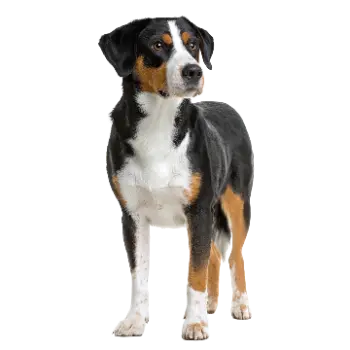

Car Travel

The Entlebucher Mountain Dog's medium size and adaptable temperament make it a generally good candidate for car travel, though the breed's high energy and strong attachment to its owner require some thoughtful preparation. Most Entlebuchers enjoy car rides once they have been properly introduced to the experience, and many owners find that their dogs settle into travel routines quickly. Early and positive exposure to car travel during puppyhood helps establish a foundation for stress-free road trips throughout the dog's life.

Safe restraint is essential for any dog traveling by car, and the Entlebucher is no exception. A properly sized travel crate secured in the cargo area of an SUV or wagon provides the most secure arrangement, protecting the dog in the event of sudden stops or collisions while also preventing the dog from moving freely around the vehicle. For owners who prefer not to use a crate, crash-tested dog harnesses that attach to the vehicle's seatbelt system offer a reasonable alternative. The Entlebucher's muscular build means that a harness must be properly fitted to distribute force across the chest rather than the neck in a sudden deceleration.

Regular breaks are important during extended road trips with an Entlebucher. The breed's high energy level means that long periods of confinement can lead to restlessness and anxiety. Planning stops every two to three hours for exercise, water, and bathroom breaks helps keep the dog comfortable and reduces stress for both dog and driver. Rest areas, highway pull-offs, and pet-friendly parks along the route can serve as useful waypoints, though the dog should always be leashed in unfamiliar environments given the Entlebucher's prey drive and territorial instincts.

Temperature management deserves special attention when traveling with an Entlebucher by car. The breed's dense double coat provides excellent insulation in cold weather but can contribute to overheating in warm conditions. Ensuring adequate ventilation or air conditioning in the vehicle, providing fresh water at every stop, and never leaving the dog unattended in a parked car are fundamental safety practices. Even on mild days, interior car temperatures can rise to dangerous levels within minutes, posing a serious and potentially fatal risk to any dog left inside.

Air Travel

Air travel with an Entlebucher Mountain Dog requires careful planning due to the breed's size, which typically exceeds the weight limits for in-cabin pet travel on most airlines. At 40 to 65 pounds, the Entlebucher will almost certainly need to travel as checked baggage or cargo, depending on the airline's terminology and procedures. Some airlines have discontinued live animal transport in cargo holds entirely, so owners must verify current policies with their chosen carrier well in advance of booking.

For airlines that do accept dogs in the cargo hold, specific crate requirements must be met. The International Air Transport Association (IATA) publishes guidelines for live animal transport containers, specifying minimum dimensions, construction materials, ventilation requirements, and labeling standards. The crate must be large enough for the dog to stand, turn around, and lie down comfortably, and it must be sturdy enough to withstand the rigors of baggage handling. Owners should acclimate their Entlebucher to the travel crate well before the trip, using positive reinforcement to build a positive association with the enclosure.

Health documentation is a universal requirement for air travel with pets. Most airlines require a veterinary health certificate issued within a specific timeframe before departure, typically seven to ten days. International flights carry additional documentation requirements, including proof of rabies vaccination, microchip verification, and potentially import permits or quarantine arrangements at the destination. The complexity of international pet travel documentation makes it advisable to begin the process several months before the intended travel date, particularly for destinations with stringent biosecurity requirements.

The stress of air travel affects individual dogs differently, and the Entlebucher's strong bond with its owner can make separation during cargo transport particularly challenging. Owners should discuss the advisability of air travel with their veterinarian, who can assess the individual dog's health and temperament and provide guidance on whether sedation or anti-anxiety medication might be appropriate. Many experienced Entlebucher owners prefer to drive rather than fly when possible, reserving air travel for situations where no practical alternative exists.

Pet-Friendly Accommodations

Finding suitable pet-friendly accommodations for an Entlebucher Mountain Dog is generally manageable, though the breed's size and energy level narrow the options somewhat compared to traveling with a small dog. Many hotel chains, vacation rental platforms, and campgrounds welcome dogs, but policies regarding size limits, breed restrictions, additional fees, and the number of pets permitted vary widely. Researching and confirming pet policies before booking is essential to avoid unpleasant surprises at check-in.

Hotels and motels that accept dogs typically charge a nightly pet fee or a one-time cleaning deposit. Some properties impose weight limits that may or may not accommodate an Entlebucher, so confirming the specific weight threshold is important. Vacation rental properties booked through platforms like Airbnb or Vrbo often provide more space and flexibility for traveling with a medium-sized dog, including fenced yards where the dog can exercise off-leash. However, individual property owners set their own pet policies, and these should be confirmed directly before finalizing a reservation.

The Entlebucher's temperament presents both advantages and challenges in accommodation settings. The breed's loyalty and attentiveness to its owner mean that a well-trained Entlebucher is likely to settle quietly in a hotel room as long as its owner is present. However, the breed's watchdog tendencies can lead to barking at unfamiliar sounds in hallways or adjacent rooms, which may disturb other guests. Bringing familiar bedding, toys, and a travel crate can help the dog feel secure in an unfamiliar environment and reduce anxiety-driven vocalizations.

Campgrounds and RV parks offer another accommodation option that many Entlebucher owners find particularly appealing. The outdoor setting, access to hiking trails, and generally relaxed atmosphere align well with the breed's active nature and love of outdoor adventure. Most campgrounds that allow dogs require them to be leashed and under control at all times, and some have designated dog exercise areas. Owners should be mindful of wildlife encounters in natural settings, as the Entlebucher's prey drive and protective instincts can create challenging situations if the dog spots wildlife or encounters unfamiliar animals on the trail.

Boarding & Pet Sitting

When travel plans do not allow for bringing the Entlebucher along, finding appropriate care in the owner's absence becomes a priority. The breed's intense attachment to its family and potential wariness of strangers make the choice of boarding facility or pet sitter particularly important. An Entlebucher left with an unfamiliar caretaker in an unfamiliar environment may experience significant stress, so preparation and careful selection of care providers are essential.

Professional boarding facilities range from basic kennel operations to luxury pet resorts with individual suites, webcam monitoring, and structured activity programs. For an Entlebucher, a facility that offers ample exercise time, individual attention, and a relatively calm environment is preferable to one that relies heavily on group play with unfamiliar dogs. The breed's selective social tendencies mean that it may not integrate smoothly into large playgroups, and a facility that can accommodate this preference is more likely to provide a positive experience. Visiting the facility in advance, asking about staff-to-dog ratios, and requesting a trial overnight stay can help owners evaluate whether a particular boarding option is appropriate for their dog.

In-home pet sitting offers an alternative that many Entlebucher owners prefer, as it allows the dog to remain in its familiar environment with its established routines largely intact. A professional pet sitter who visits the home multiple times per day or stays overnight can provide the companionship and exercise the breed needs while minimizing the disruption of the owner's absence. Entlebucher owners should introduce the pet sitter to the dog well before the travel date, allowing the dog to build familiarity and trust with the caretaker in a low-pressure context.

Another option gaining popularity is care provided by trusted friends, family members, or fellow breed enthusiasts who understand the Entlebucher's specific needs. Breed club networks and online Entlebucher communities can be valuable resources for connecting with experienced owners who may be willing to provide reciprocal pet-sitting arrangements. This approach offers the advantage of placing the dog with someone who already understands the breed's energy level, training requirements, and behavioral tendencies, reducing the risk of miscommunication or management errors that can occur with caretakers unfamiliar with the breed.

Emergency Preparedness

Emergency preparedness planning is an important responsibility for all pet owners, and the Entlebucher Mountain Dog's specific characteristics warrant some breed-informed considerations. Natural disasters, severe weather events, medical emergencies, and unexpected evacuations can all require rapid action, and having a plan in place before an emergency occurs can make the difference between a manageable situation and a dangerous one.

A well-stocked emergency kit for an Entlebucher should include several days' supply of food and fresh water, any medications the dog takes regularly, copies of veterinary records and vaccination certificates, a recent photograph of the dog for identification purposes, and basic first aid supplies. A sturdy leash, a properly fitted collar with current identification tags, and a travel crate should be readily accessible. Given the Entlebucher's strength and determination, the leash and collar used in emergency situations should be robust enough to maintain control in chaotic or high-stress environments where the dog may react unpredictably.

Evacuation planning should account for the dog's presence in the household. Not all emergency shelters accept pets, so owners should identify pet-friendly shelters, veterinary emergency facilities, and boarding kennels along potential evacuation routes before a crisis occurs. Many communities maintain lists of pet-friendly emergency resources, and organizations like the American Red Cross provide guidance on disaster preparedness for pet owners. Having a designated out-of-area contact who can coordinate the dog's care if the owner is incapacitated adds an additional layer of security to the emergency plan.

The Entlebucher's sensitivity to its owner's emotional state can affect its behavior during emergencies. Dogs that are normally calm and well-mannered may become anxious, vocal, or reactive when they sense their owner's stress in a crisis situation. Maintaining as much routine as possible during an emergency — including regular feeding times, exercise opportunities, and calm verbal reassurance — can help stabilize the dog's behavior. Crate training proves especially valuable in emergency scenarios, as a crate-trained Entlebucher has a familiar, secure space that can be set up in any location, providing a sense of normalcy in otherwise disorienting circumstances.

Always consult a qualified professional before making any health-related decisions. This content is provided for informational reference only and should not replace professional guidance specific to your animal.