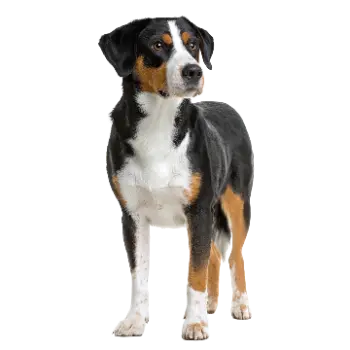

Breed-Specific Legislation

The Entlebucher Mountain Dog is not typically targeted by breed-specific legislation (BSL) in any jurisdiction. BSL ordinances and laws most commonly focus on breeds perceived as posing heightened public safety risks, such as pit bull-type dogs, Rottweilers, and certain mastiff breeds. The Entlebucher's medium size, relatively low public profile, and absence from bite-incident statistics mean that it has not attracted the regulatory scrutiny directed at breeds more frequently involved in reported incidents.

However, owners should be aware that some BSL frameworks use broad or vaguely worded definitions that could theoretically encompass breeds beyond the primary targets. Certain municipal ordinances restrict dogs based on physical characteristics — such as weight thresholds, head shape, or muscular build — rather than specific breed names. While the Entlebucher is unlikely to be affected by such provisions, owners in jurisdictions with broadly written restrictions should review local ordinances carefully to confirm their dog's status.

In some European countries, dog ownership regulations take a different form than American-style BSL. Several nations maintain lists of restricted or regulated breeds, impose mandatory temperament testing, or require specific insurance coverage for dogs above a certain size or weight. The Entlebucher does not appear on any widely recognized restricted breed list, but owners planning to relocate internationally should verify the regulatory status of the breed in their destination country to avoid unexpected complications.

Breed-specific legislation remains a contentious topic in the canine community. Many veterinary organizations, animal welfare groups, and breed clubs — including those representing Swiss Mountain Dog breeds — oppose BSL on the grounds that it is ineffective at reducing dog bite incidents and unfairly penalizes responsible owners. Entlebucher owners may encounter BSL debates in their communities and should be prepared to engage with these discussions from an informed, factual perspective.

Ownership Requirements

General dog ownership requirements apply to Entlebucher Mountain Dog owners just as they do to owners of any breed. In most jurisdictions in the United States, these include licensing the dog with the local municipality, maintaining current rabies vaccinations, and complying with leash laws and waste-disposal ordinances. Licensing fees, renewal schedules, and required documentation vary by city and county, so owners should check with their local animal control office for specific requirements.

Many jurisdictions offer reduced licensing fees for dogs that have been spayed or neutered. Given the Entlebucher's small breeding population and the importance of maintaining genetic diversity, some owners may choose to keep their dogs intact for potential breeding purposes. Intact dog ownership may carry additional requirements in some areas, including higher licensing fees, stricter confinement standards, or mandatory identification measures such as microchipping. Owners who plan to breed their Entlebuchers should also be aware of any local breeding permit or kennel license requirements that may apply.

Some municipalities and homeowners associations impose limits on the number of dogs that can be kept at a single residence. These limits typically range from two to four dogs, though exceptions may be available through kennel licenses or special permits. Entlebucher owners who participate actively in breeding programs or who maintain multiple dogs for sport or showing should verify that their household complies with local animal-count restrictions.

Responsible ownership extends beyond legal minimums. Breed clubs and experienced Entlebucher owners generally recommend microchipping, maintaining comprehensive veterinary records, and carrying adequate liability insurance. While these measures may not be legally mandated in every jurisdiction, they demonstrate good faith and provide practical protections for both the owner and the dog in the event of an incident, escape, or legal dispute.

Liability & Insurance

Dog owners carry legal liability for injuries or property damage caused by their animals in most jurisdictions. The specifics of this liability vary depending on whether the jurisdiction follows a strict liability standard — where the owner is responsible regardless of prior knowledge of the dog's behavior — or a negligence-based standard that requires proof the owner failed to take reasonable precautions. Some states apply a one-bite rule that provides limited protection for first-time incidents, while others hold owners liable from the moment of ownership.

The Entlebucher Mountain Dog's temperament profile presents some liability considerations worth understanding. The breed is known for its strong territorial instincts, wariness of strangers, and tendency to guard its family and property. While these traits do not make the Entlebucher inherently dangerous, they can lead to situations where a dog's protective behavior is perceived as aggression, particularly by visitors, delivery personnel, or unfamiliar children. Owners should take proactive steps to manage these tendencies through socialization, training, and appropriate containment.

Homeowners and renters insurance policies typically include some degree of liability coverage for dog-related incidents, but the scope and limits of this coverage vary significantly between insurers. Some insurance companies maintain restricted breed lists that affect coverage availability or premium pricing, though the Entlebucher is unlikely to appear on such lists given its rarity and absence from bite statistics. Owners should review their insurance policies to confirm that dog-related liability is included and that coverage limits are adequate for their circumstances.

Supplemental canine liability insurance is available from specialty providers for owners who want additional protection beyond what their homeowners or renters policy provides. This type of coverage can be particularly valuable for owners who frequently take their dogs to public spaces, participate in dog sports or events, or host visitors at their homes. The relatively modest cost of supplemental liability coverage makes it a worthwhile consideration for any Entlebucher owner who wants comprehensive protection against potential legal claims.

Housing Restrictions

Housing-related restrictions represent one of the most common legal challenges faced by dog owners, and Entlebucher Mountain Dog owners are not exempt. Rental properties, condominiums, and homeowners associations frequently impose rules regarding pet ownership that can affect breed selection, the number of animals permitted, and even the size or weight of dogs allowed on the premises. These restrictions are generally enforceable as terms of a lease or membership agreement, even when they go beyond what municipal law requires.

Weight-based restrictions are particularly common in multi-unit housing and can affect Entlebucher owners, since the breed typically falls in the 40 to 65 pound range. Some properties set weight limits as low as 25 or 30 pounds, effectively excluding most medium and large breeds. Owners should carefully review lease agreements or HOA covenants before signing to ensure that their Entlebucher falls within any stated size or weight limits. Negotiating a pet addendum that specifically names the breed and acknowledges its size can help prevent disputes after move-in.

Breed restrictions in housing are distinct from weight limits and are typically driven by insurance concerns. Landlords and property management companies may prohibit breeds that appear on their insurer's restricted list. While the Entlebucher is extremely unlikely to be listed as a restricted breed, its relative obscurity can create confusion — property managers unfamiliar with the breed may mistake it for a Rottweiler mix or another restricted type based on its tricolor markings and muscular build. Having breed registration paperwork readily available can help resolve such misidentifications quickly.

Federal fair housing law provides some protections for individuals who require assistance animals, including emotional support animals and service dogs. These protections can override breed and weight restrictions in housing, but they apply only to individuals with qualifying disabilities and require appropriate documentation. Owners who do not qualify for these accommodations must comply with their housing provider's pet policies or seek alternative housing that permits their Entlebucher.

Import & Export Regulations

International movement of Entlebucher Mountain Dogs is subject to a complex web of import and export regulations that vary by country. Given the breed's Swiss origins and the importance of international breeding cooperation to its genetic health, Entlebucher owners and breeders are more likely than owners of common domestic breeds to engage with international transport requirements. Understanding these regulations is essential for anyone planning to import a puppy from a European breeder or travel internationally with their dog.

The United States requires all imported dogs to appear healthy upon arrival and to meet specific vaccination requirements, including rabies vaccination for dogs over a certain age. The Centers for Disease Control and Prevention (CDC) has periodically updated its import requirements, and recent rule changes have introduced additional documentation and health certification requirements for dogs entering the country. These regulations apply regardless of breed and are designed to prevent the introduction of rabies and other diseases into the domestic animal population.

European Union member states follow a standardized pet passport system that facilitates travel with companion animals between participating countries. Dogs traveling within the EU must carry a pet passport documenting microchip identification, rabies vaccination, and any required health treatments. Dogs entering the EU from non-member countries face additional requirements that may include titer testing, quarantine periods, and veterinary health certificates issued within specific timeframes before travel. These requirements can be particularly detailed for countries with heightened biosecurity concerns, such as the United Kingdom, Australia, and New Zealand.

Breed-specific import considerations also apply in certain jurisdictions. Some countries maintain restricted breed lists that affect import eligibility, and while the Entlebucher is not a restricted breed anywhere, owners should verify import requirements for their specific destination well in advance of travel. Working with a professional pet transport service or a veterinarian experienced in international pet travel can help ensure that all documentation and health requirements are met, avoiding delays or refusal of entry at the destination.

Rescue & Shelter Law

The legal framework governing dog rescue and shelter operations affects Entlebucher Mountain Dog owners in several ways, particularly in the context of breed-specific rescue organizations. The National Entlebucher Mountain Dog Association and regional breed clubs maintain rescue networks that coordinate the rehoming of Entlebuchers who can no longer remain with their original owners. These rescue operations must comply with state and local laws governing animal rescue organizations, which may include registration requirements, facility inspections, and record-keeping obligations.

Surrender and rehoming laws vary significantly by jurisdiction. In some states, owners who surrender a dog to a shelter or rescue organization relinquish all legal claims to the animal after a specified holding period. Other jurisdictions provide former owners with limited reclamation rights during a waiting period. Entlebucher owners who find themselves unable to keep their dog should work directly with breed-specific rescue organizations rather than general shelters whenever possible, as breed rescues are better equipped to evaluate the dog's needs and find an appropriate placement.

Adoption contracts used by breed rescue organizations typically include terms that go beyond the minimum requirements of state adoption law. These contracts may include spay-neuter requirements, home visit provisions, return-to-rescue clauses, and restrictions on transferring the dog to a third party. While the enforceability of specific contract terms varies by jurisdiction, these agreements reflect the rescue community's commitment to ensuring that rescued Entlebuchers are placed in permanent, responsible homes.

Good Samaritan laws and stray hold requirements also intersect with Entlebucher ownership. Individuals who find a loose Entlebucher are generally required to report the found animal to local animal control and allow a statutory holding period before the dog can be rehomed or adopted. Given the breed's rarity and value, a found Entlebucher is very likely to have an owner actively searching for it. Microchipping and current identification tags significantly increase the chances of a swift reunion and are strongly recommended by breed clubs and rescue organizations as basic responsible ownership practices.

Always consult a qualified professional before making any health-related decisions. This content is provided for informational reference only and should not replace professional guidance specific to your animal.