
Film & Television

The Belgian Laekenois has had a limited but noteworthy presence in film and television, largely due to its rarity. Unlike the Belgian Malinois, which has become a fixture in action films and police procedurals, the Laekenois is seldom cast in major productions. When rough-coated Belgian Shepherds do appear on screen, they are often misidentified or grouped generically with other shepherd breeds, making it difficult for casual viewers to recognize the variety.

Occasional appearances in European television programs, particularly Belgian and French productions focused on rural life or working dogs, have given the Laekenois some screen time in its home region. Documentaries about Belgian Shepherd varieties have featured the Laekenois alongside its three sibling breeds, highlighting its distinctive coat and lesser-known status. These programs tend to emphasize the breed's working heritage and the dedication of the small community of breeders who maintain it.

In the broader landscape of dog-focused media, the Laekenois benefits indirectly from the rising popularity of the Belgian Malinois in action cinema. Viewers who become curious about Belgian Shepherds after seeing a Malinois on screen sometimes discover the Laekenois through follow-up research, leading to increased awareness even without direct starring roles. Animal trainers who work in the film industry have noted that the Laekenois possesses the intelligence and trainability needed for screen work, but the breed's scarcity makes it difficult to source dogs for productions that require multiple animals or specific physical types.

Literature & Art

Belgian Shepherd dogs appear in European literature dating back to the nineteenth century, though specific references to the rough-coated Laekenois variety are uncommon in mainstream fiction. Agricultural journals and rural guidebooks from Belgium and northern France occasionally mention wiry-coated sheepdogs matching the Laekenois description, situating the breed within the broader literary tradition of pastoral working-dog narratives.

In visual art, Flemish and Belgian painters of the late 1800s sometimes included rough-coated herding dogs in pastoral scenes, and breed historians have pointed to these works as early depictions of Laekenois-type dogs. While definitive identification is difficult given the artistic conventions of the period, the tousled coat and alert posture of certain painted dogs bear a strong resemblance to the modern breed standard.

Contemporary breed-specific literature has grown considerably in recent decades. Books and monographs on Belgian Shepherds now routinely include dedicated chapters on the Laekenois, covering its history, temperament, grooming requirements, and show standards. These publications serve both as reference materials for prospective owners and as advocacy tools for breeders seeking to raise the breed's profile. Online publishing has further expanded the available literature, with breed club websites and enthusiast blogs producing detailed articles, breeding guides, and historical research accessible to a global audience.

The Laekenois has also inspired a small but passionate community of dog artists who specialize in breed-specific portraiture and illustration. Commissioned paintings, digital illustrations, and sculptural works depicting the Laekenois circulate within the fancier community and are featured at specialty shows, contributing to the breed's cultural visibility among dedicated dog enthusiasts.

Internet & Social Media

Social media has been a transformative force for rare breeds like the Belgian Laekenois. Platforms such as Instagram, Facebook, and TikTok have allowed Laekenois owners and breeders to share photos, videos, and stories with a global audience that would have been unreachable through traditional breed club channels alone. Hashtags dedicated to the breed aggregate content from owners around the world, creating a virtual community that transcends national boundaries.

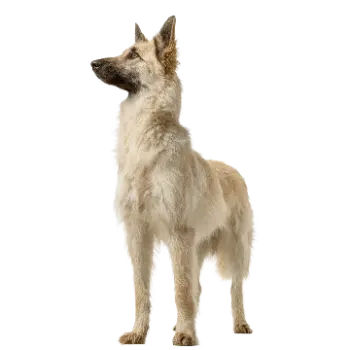
The visual nature of social media works particularly well for the Laekenois, whose distinctive rough coat and expressive face photograph memorably. Videos of Laekenois at work in herding trials, agility courses, and training sessions regularly attract attention from dog enthusiasts who may be encountering the breed for the first time. Comment sections on these posts frequently include questions about the breed's identity, reflecting how unfamiliar the Laekenois remains to the general public.

Breed-specific Facebook groups and online forums serve as hubs for information exchange among Laekenois owners and breeders. These communities discuss health testing, training techniques, grooming tips, and upcoming events, functioning as digital extensions of traditional breed clubs. For prospective owners in countries where the Laekenois is especially rare, these online resources are often the primary point of contact with the breed community.

The breed's AKC recognition in 2020 generated a noticeable spike in online interest, with breed club websites reporting increased traffic and social media accounts gaining new followers. News coverage of the recognition introduced the Laekenois to audiences well beyond the dog-show world, and the resulting online conversations helped establish a broader digital footprint for the breed.

Advertising & Branding

The Belgian Laekenois has had minimal presence in mainstream advertising and commercial branding, a reflection of its rarity and limited public recognition. Advertisers typically select dog breeds that are instantly identifiable to broad audiences, favoring well-known breeds whose appearance triggers immediate emotional associations. The Laekenois, while striking in person, lacks the widespread name recognition that would make it an effective brand ambassador in mass-market campaigns.

Within the pet industry, however, the Laekenois occasionally appears in niche marketing materials targeting Belgian Shepherd enthusiasts. Specialty pet supply companies, breed-specific grooming product lines, and artisanal dog treat brands have featured Laekenois imagery in catalogs and online advertising aimed at the fancier community. These targeted campaigns capitalize on the breed's distinctiveness and the strong brand loyalty that rare-breed owners tend to exhibit.

Breed clubs and rescue organizations have also employed branding strategies to raise the Laekenois's public profile. Logo designs, merchandise, and promotional materials featuring the breed's silhouette or characteristic rough coat help create visual consistency across club communications and events. These efforts, while modest in scale compared to commercial advertising, play an important role in building the breed's identity within the competitive landscape of purebred dog promotion.

As the Laekenois gains broader recognition through AKC events and social media exposure, its potential as a marketing subject may grow. Brands that specialize in rare or heritage breeds have shown increasing interest in featuring lesser-known varieties, positioning them as exclusive and discerning choices for knowledgeable dog owners.

The Popularity Effect

The relationship between media exposure and breed popularity is well documented in the dog world, and the Belgian Laekenois offers an instructive case study in how rarity interacts with cultural visibility. Unlike breeds that have experienced dramatic popularity surges following a single film or television appearance, the Laekenois has grown its following gradually, driven more by word of mouth and breed community advocacy than by any single media event.

The breed's AKC recognition in 2020 produced a measurable uptick in public interest, as reflected in web search trends, breeder inquiries, and social media engagement. However, the Laekenois community has been cautious about encouraging rapid growth, recognizing the risks that sudden popularity can pose to breed health and welfare. Breed clubs have emphasized education and responsible ownership in their outreach efforts, seeking to attract committed owners rather than impulse buyers drawn by novelty.

The Malinois's rise to fame in military and police roles has created a halo effect that benefits all Belgian Shepherd varieties to some degree. Prospective owners researching Belgian Shepherds frequently discover the Laekenois during their search, and some are drawn to the breed precisely because it offers the intelligence and versatility of a Belgian Shepherd in a less common and less intense package. This indirect exposure has been a steady, if modest, driver of interest.

Looking ahead, the Laekenois is likely to remain a breed appreciated primarily by dedicated enthusiasts rather than the general public. Its fanciers generally view this as a strength, arguing that measured growth and careful stewardship will preserve the breed's health, temperament, and working ability far better than the boom-and-bust cycles of popularity that have afflicted other breeds.

Always consult a qualified professional before making any health-related decisions. This content is provided for informational reference only and should not replace professional guidance specific to your animal.