
Car Travel

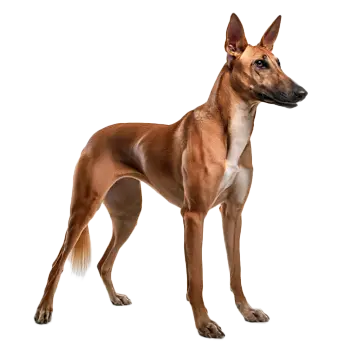
Car travel is generally the most straightforward and least stressful way to transport an Azawakh, and many owners find that their dogs adapt well to road trips with proper preparation. The Azawakh's lean build and moderate size make it manageable in most vehicles, though the breed's long legs benefit from enough space to lie down comfortably. A padded crate or crash-tested travel harness secured to the vehicle's seat belt system provides both safety and a sense of enclosure that many Azawakhs find reassuring.

When selecting a crate for car travel, choose one that accommodates the Azawakh's height and length without forcing the dog to crouch or curl tightly. Wire crates with a padded mat or fleece liner work well for most dogs, though some owners prefer varikennel-style plastic crates for their greater sense of enclosure and ease of cleaning. The crate should be secured in the vehicle to prevent shifting during sudden stops or turns, and it should be positioned away from direct sunlight to avoid overheating.

Gradual acclimation is important for Azawakhs that are not accustomed to car travel. Begin with short trips to positive destinations — a park, a friend's house, a lure coursing field — so that the dog associates the car with enjoyable experiences. Avoid feeding a large meal immediately before travel, as some dogs are prone to motion sickness, and provide access to fresh water during rest stops. Most Azawakhs settle into a relaxed travel routine once they understand that the car is a safe, predictable environment.

For longer road trips, plan rest stops every two to three hours to allow the dog to stretch, relieve itself, and drink water. Always leash your Azawakh before opening the car door, as the breed's sighthound instincts can send it sprinting after a squirrel or rabbit before you have time to react. A securely fitted martingale collar or sighthound-appropriate harness is recommended, as these designs prevent the dog from slipping free of its collar — a common concern with narrow-headed sighthound breeds.

Air Travel

Air travel with an Azawakh requires careful planning and an understanding of airline policies, which vary significantly between carriers and are subject to change. Because the Azawakh exceeds the size limits for in-cabin travel on most airlines, the dog will typically need to travel in the cargo hold in an airline-approved crate. This can be a source of anxiety for both dog and owner, but with proper preparation the experience can be managed safely.

When booking flights, contact the airline's pet travel department directly to confirm current policies, crate requirements, and any breed-specific restrictions. Some airlines impose temperature embargoes that restrict pet transport during extreme heat or cold, and these restrictions may limit the times of year when travel is feasible. Because the Azawakh is adapted to warm climates, cold-weather embargoes are a particular concern, and owners should ensure that the cargo hold is climate-controlled and that the crate is equipped with appropriate bedding for insulation.

The travel crate must meet International Air Transport Association standards, which specify minimum dimensions, ventilation, construction materials, and labeling. The crate should be large enough for the dog to stand, turn around, and lie down comfortably, with secure latches and clearly marked orientation labels. Attach a water dish that can be filled from outside the crate, and affix a bag of food and feeding instructions to the exterior in case of delays. Freeze a small bowl of water before departure so that it melts gradually during the flight, providing hydration without spilling.

Consult your veterinarian before flying with your Azawakh, particularly if the dog has any health concerns or has not traveled by air before. Sedation is generally discouraged by veterinary professionals and most airlines, as it can impair the dog's ability to regulate body temperature and balance during transit. Instead, focus on crate training well in advance of the trip so that the dog is comfortable and relaxed in its travel crate. A familiar blanket or item of the owner's clothing placed inside the crate can provide comfort and reduce stress.

Pet-Friendly Accommodations

Finding pet-friendly accommodations has become easier in recent years, with a growing number of hotels, vacation rentals, and campgrounds welcoming dogs. However, policies vary widely, and Azawakh owners should verify pet policies before booking to avoid surprises at check-in. Many hotels that accept pets impose size or weight limits, and while the Azawakh typically falls within the acceptable range, confirming in advance is always wise.

When booking a hotel or rental property, ask about pet fees, deposit requirements, and any restrictions on leaving the dog unattended in the room. Some properties charge a nightly pet fee, a one-time cleaning fee, or a refundable damage deposit, and these costs can add up over a longer stay. Properties that cater specifically to dog owners may offer amenities such as dog beds, bowls, treats, and information about nearby parks and walking trails.

Vacation rental platforms often provide filters for pet-friendly properties, and many individual hosts are happy to accommodate dogs if asked in advance. For Azawakh owners, rentals with securely fenced yards are particularly appealing, as they allow the dog to stretch its legs and enjoy off-leash time in a safe environment. Always inspect the fencing before releasing your Azawakh, as the breed's athleticism means it can clear surprisingly low barriers and its lean build allows it to squeeze through gaps that would stop a stockier dog.

Campgrounds and RV parks are another option for traveling with an Azawakh, and many dogs thrive in the outdoor setting. Most campgrounds require dogs to be kept on leash and prohibit them from certain areas such as beaches, playgrounds, and food service areas. The Azawakh's sensitivity to cold means that camping in cool or wet conditions requires additional preparation, including insulated bedding, a warm coat, and shelter from wind and rain.

Boarding & Pet Sitting

When travel plans do not accommodate bringing the Azawakh along, boarding facilities and pet sitters offer alternatives for ensuring the dog's care and safety. The Azawakh's sensitive temperament and strong bond with its family make the choice of caretaker particularly important, and owners should invest time in finding a provider who understands sighthound behavior and can offer a calm, structured environment.

Boarding kennels range from basic facilities to luxury pet resorts, and the best choice for an Azawakh depends on the individual dog's temperament and the owner's priorities. Some Azawakhs do well in well-run boarding facilities, particularly if they are socialized to other dogs and comfortable in kennel environments. Others — especially dogs that are strongly bonded to a single person or family — may find the kennel experience stressful. For these dogs, a private pet sitter who provides in-home care may be a better option.

In-home pet sitting, where a sitter stays in the owner's home or the dog stays in the sitter's home, offers the advantage of a familiar or home-like environment and one-on-one attention. This arrangement can significantly reduce stress for an Azawakh and allows the dog to maintain its usual routine. When selecting a pet sitter, look for individuals with sighthound experience, check references, and arrange a trial visit so the dog and sitter can become acquainted before the actual travel dates.

Regardless of the care arrangement chosen, provide the caretaker with detailed written instructions covering feeding, medication, exercise, and emergency contacts, including your veterinarian's information. The Azawakh's prey drive should be clearly communicated, along with instructions for leash handling and secure containment. A well-prepared caretaker is better equipped to manage the breed's unique needs and respond appropriately to any situation that arises.

Emergency Preparedness

Emergency preparedness is an essential aspect of responsible Azawakh ownership, whether at home or on the road. Natural disasters, severe weather, medical emergencies, and unexpected evacuations can all affect your ability to care for your dog, and having a plan in place ensures that your Azawakh's needs are met even in difficult circumstances.

Assemble an emergency kit for your Azawakh that includes a supply of food and water sufficient for at least three days, copies of vaccination records and medical history, current photographs of the dog for identification purposes, a spare leash and collar with identification tags, any medications the dog requires, and basic first aid supplies. Store this kit in an accessible location and update it regularly to ensure that food, medications, and documents remain current.

Identification is critical in emergency situations. A microchip registered with current contact information provides a permanent form of identification that cannot be lost or removed, and a collar with visible identification tags offers an immediate point of contact for anyone who finds the dog. Some owners also maintain a laminated card in their emergency kit with the dog's name, breed, medical conditions, and emergency contact numbers for quick reference by rescue personnel.

Develop an evacuation plan that includes your Azawakh. Identify pet-friendly shelters, hotels, and the homes of friends or family members where you and your dog can take refuge if you need to leave your home. Practice loading your dog into its travel crate quickly and calmly, as an emergency is not the time to discover that your Azawakh is reluctant to enter its crate. Many communities maintain lists of pet-friendly emergency shelters, and local animal control agencies can provide information about disaster preparedness resources for pet owners.

When traveling, research emergency veterinary clinics along your route and at your destination before you depart. Save their addresses and phone numbers in your phone, and carry a printed copy as a backup. The Azawakh's relatively uncommon breed status means that not all veterinarians will be familiar with its specific health considerations, so having your regular veterinarian's contact information readily available allows an unfamiliar clinic to consult on breed-specific concerns if needed.

Always consult a qualified professional before making any health-related decisions. This content is provided for informational reference only and should not replace professional guidance specific to your animal.