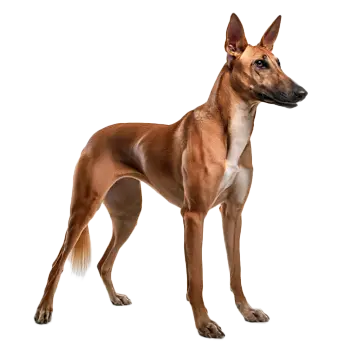

Breed-Specific Legislation

Breed-specific legislation, commonly referred to as BSL, refers to laws and ordinances that regulate or restrict the ownership of certain dog breeds based on their appearance or breed classification. The Azawakh is not typically targeted by BSL in the United States or Europe, as these laws have historically focused on breeds perceived as posing a public safety risk, such as pit bull-type dogs, Rottweilers, and certain mastiff breeds. However, the legal landscape around breed-specific restrictions is complex and varies widely by jurisdiction.

In some municipalities, BSL is written broadly enough that it could potentially apply to any breed deemed dangerous by local authorities, regardless of whether the breed is specifically named in the ordinance. While this scenario is uncommon for the Azawakh, owners should be aware that local animal control officers may have discretion in how they interpret and enforce breed-related regulations. Familiarizing yourself with the specific laws in your city, county, and state is an important step in responsible Azawakh ownership.

Several states in the United States have moved to preempt local BSL by passing state-level laws that prohibit breed-specific bans. These preemption laws reflect a growing consensus among veterinary and animal welfare organizations that breed-based restrictions are ineffective and that public safety is better served by laws focused on individual animal behavior and owner responsibility. Azawakh owners in states with preemption laws benefit from an additional layer of legal protection.

Internationally, the legal treatment of sighthounds and rare breeds varies significantly. Some countries impose restrictions on the importation of certain dog breeds, and prospective owners should research the regulations in their destination country before traveling or relocating with an Azawakh. Breed clubs and international sighthound organizations can be valuable resources for navigating these legal complexities.

Ownership Requirements

General dog ownership requirements apply to Azawakh owners in most jurisdictions. These typically include licensing and registration with local authorities, proof of current rabies vaccination, and compliance with leash laws and public nuisance ordinances. While these requirements are not breed-specific, they form the legal foundation of responsible dog ownership and failure to comply can result in fines, impoundment, or other penalties.

Many municipalities require dogs to be licensed annually or biennially, with fees that may vary based on whether the dog is spayed or neutered. Azawakh owners should check with their local animal control agency to determine the specific licensing requirements in their area. Some jurisdictions also require microchipping as a condition of licensure, and this practice is widely recommended by veterinary professionals and breed clubs regardless of whether it is legally mandated.

Leash laws are a particular consideration for sighthound owners. The Azawakh's strong prey drive and exceptional speed mean that an off-leash Azawakh in an unfenced area can quickly pursue and catch small animals, potentially leading to conflicts with wildlife, other pets, or local regulations. Most urban and suburban jurisdictions require dogs to be leashed in public spaces, and violations can carry significant fines. Owners who wish to allow their Azawakh off-leash running should seek out securely fenced areas or organized lure coursing events.

Some homeowners' associations and condominium boards maintain their own pet policies, which may include breed restrictions, size limits, or behavioral requirements. Prospective Azawakh owners who live in HOA-governed communities should review their association's governing documents carefully before acquiring a dog, as violations of these policies can result in fines or forced rehoming.

Liability & Insurance

Dog owners are generally held liable for injuries or property damage caused by their animals. The legal framework for dog bite liability varies by state, with some states applying strict liability — meaning the owner is responsible regardless of whether they knew the dog might bite — and others following a one-bite rule that considers whether the owner had prior knowledge of the dog's propensity to cause harm. Azawakh owners should understand the liability standard in their jurisdiction and take appropriate precautions.

Homeowners' and renters' insurance policies typically include some coverage for dog-related incidents, but not all insurers treat all breeds equally. Some insurance companies maintain lists of breeds they consider high-risk and may exclude coverage for those breeds or charge higher premiums. While the Azawakh is not commonly found on these restricted breed lists, its rarity means that some insurers may be unfamiliar with the breed and may require additional information or documentation before extending coverage.

Owners who participate in organized activities such as lure coursing, conformation shows, or breed club events should verify that their insurance coverage extends to incidents that occur at these events. Some organizations carry their own liability insurance for sanctioned events, but individual participants may still benefit from additional personal coverage. Consulting with an insurance professional who has experience with dog-related policies can help Azawakh owners identify and address any gaps in their coverage.

Proactive risk management is the best defense against liability claims. Proper socialization, training, and supervision can significantly reduce the likelihood of incidents. The Azawakh's natural reserve around strangers makes early and ongoing socialization especially important, as a poorly socialized Azawakh may react defensively in unfamiliar situations. Responsible ownership practices not only protect the public but also strengthen the legal position of the owner in the event of a dispute.

Housing Restrictions

Housing-related restrictions are among the most common legal challenges faced by dog owners, and the Azawakh's size and relative obscurity can occasionally create complications. Rental properties, condominiums, and HOA-governed communities frequently impose pet policies that include breed restrictions, weight limits, and behavioral requirements. While the Azawakh is rarely named in breed restriction lists, its size — typically ranging from 33 to 55 pounds — may approach or exceed weight limits set by some landlords or associations.

Prospective renters who own Azawakhs should discuss their dog's breed, size, and temperament with landlords before signing a lease. Providing documentation from a veterinarian or breed club, along with references from previous landlords, can help establish the dog's suitability as a tenant. Some landlords may also require an additional pet deposit or monthly pet rent, and understanding these financial obligations upfront can prevent misunderstandings later.

Federal fair housing laws provide certain protections for individuals who require emotional support animals or service dogs, but these protections do not extend to pets generally. Owners who believe their Azawakh qualifies as an assistance animal should consult with a legal professional to understand the documentation and verification requirements in their jurisdiction. It is important to note that fraudulent claims of assistance animal status can carry legal consequences and undermine protections for individuals with legitimate needs.

For homeowners, local zoning laws may regulate the number of dogs allowed on a residential property, the types of structures permitted for housing dogs, and the requirements for fencing and containment. Azawakh owners who maintain multiple dogs — as is common among breeders and sighthound enthusiasts — should verify that their property complies with all applicable zoning regulations to avoid citations or disputes with neighbors.

Import & Export Regulations

The importation and exportation of dogs are subject to a patchwork of national and international regulations designed to protect public health, prevent the spread of disease, and ensure animal welfare. For Azawakh owners and breeders, these regulations are particularly relevant because the breed's genetic diversity depends in part on the continued importation of dogs from the Sahel region and the exchange of breeding stock between countries.

The United States requires that imported dogs be healthy, vaccinated against rabies, and accompanied by a valid health certificate issued by a licensed veterinarian in the country of origin. The Centers for Disease Control and Prevention oversees these requirements and may impose additional restrictions based on the country of origin's rabies status. Dogs imported from countries classified as high-risk for rabies may face extended quarantine periods or additional testing requirements.

The European Union maintains its own set of import and transit requirements for dogs, including microchip identification, rabies vaccination, and in some cases blood titer testing to confirm adequate rabies antibody levels. EU member states may impose additional requirements beyond the baseline EU regulations, so Azawakh owners planning international travel or breed stock exchanges should research the specific rules of each country involved in the journey.

The Convention on International Trade in Endangered Species does not classify domestic dogs as a regulated species, but breeders and owners involved in international transactions should be aware of customs regulations, quarantine requirements, and airline policies that may affect the transport of dogs across borders. Working with an experienced international pet transport service can help ensure compliance with all applicable regulations and minimize stress for the dog during transit.

For breeders seeking to import Azawakhs directly from the Sahel, additional challenges may arise related to documentation, veterinary infrastructure, and the logistics of transport from remote regions. Breed clubs and conservation organizations that have organized previous importation efforts can provide guidance and support for these complex undertakings.

Rescue & Shelter Law

The legal framework surrounding dog rescue and shelter operations affects Azawakh owners and enthusiasts in several ways. In most states, animal shelters and rescue organizations are regulated by state law and must comply with requirements related to holding periods, veterinary care, adoption procedures, and record keeping. These laws are designed to protect both animals and the public, and they establish the legal processes by which lost, abandoned, or surrendered dogs are handled.

When an Azawakh enters a shelter or rescue system, the breed's rarity can create challenges. Shelter staff may not recognize the breed, which can affect the dog's care, behavioral assessment, and placement. Breed-specific rescue organizations, such as those affiliated with the Azawakh Club of America or regional sighthound rescue groups, play a critical role in identifying and retrieving Azawakhs from general shelters and placing them in homes prepared for the breed's unique needs.

Adoption contracts used by rescue organizations often include provisions related to spay and neuter requirements, return policies, and ongoing care expectations. These contracts are generally enforceable as legal agreements, and adopters should read and understand all terms before signing. Some rescue organizations also conduct home visits and reference checks as part of their adoption process, and these practices help ensure that rescued Azawakhs are placed in suitable environments.

Owners who find themselves unable to continue caring for an Azawakh should be aware of their legal obligations regarding surrender and rehoming. In most jurisdictions, abandoning a dog is a criminal offense, and owners are expected to make reasonable efforts to find a suitable new home or surrender the dog to a licensed shelter or rescue organization. Breed clubs and rescue networks can often assist with rehoming, connecting owners with vetted adopters who understand and appreciate the Azawakh's temperament and needs.

Always consult a qualified professional before making any health-related decisions. This content is provided for informational reference only and should not replace professional guidance specific to your animal.