
Film & Television

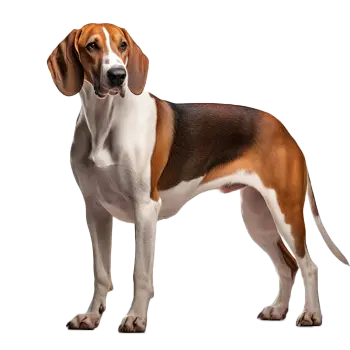
The American Foxhound has never achieved the screen stardom of breeds like the Golden Retriever or German Shepherd, but it has made notable appearances in film and television, usually in productions set against the backdrop of rural America or the colonial era. Period dramas depicting the lives of the Founding Fathers occasionally feature foxhounds in hunting scenes, reinforcing the breed's association with early American history and the landed gentry of Virginia and Maryland.

Documentary filmmakers have shown greater interest in the breed, particularly in productions exploring American sporting traditions. Films covering the culture of fox hunting in the eastern United States frequently showcase American Foxhounds in action, capturing the drama of the chase and the distinctive music of a baying pack. These documentaries provide some of the most authentic and compelling portrayals of the breed, highlighting its athleticism and cooperative nature in the field.

Television programs focused on dog breeds and canine sports have periodically featured the American Foxhound, often emphasizing its rarity in the pet world and its deep historical roots. Breed-profile segments on popular animal-themed networks tend to highlight the disconnect between the breed's low AKC registration numbers and its continued vitality within the hunting community, framing the American Foxhound as a hidden gem of the canine world.

The breed's visual similarity to the more familiar Beagle and English Foxhound means that it is sometimes used on screen without being specifically identified. Hound-type dogs appearing in rural or historical settings may in fact be American Foxhounds, though they are rarely credited as such — a reflection of the breed's broader anonymity in mainstream culture.

Literature & Art

The American Foxhound appears prominently in the literature of early American sport and natural history. George Washington's detailed kennel diaries are among the most cited primary sources, offering a vivid picture of hound breeding and fox hunting in the late eighteenth century. These journals have been referenced extensively by historians and breed enthusiasts, and they remain a cornerstone document in the breed's literary legacy.

Sporting literature of the nineteenth and early twentieth centuries gave the American Foxhound considerable attention. Writers chronicling the hunting traditions of the American South frequently described the breed's qualities — its speed, cry, and determination — with evident admiration. Magazines devoted to field sports published regular accounts of hunts and hound trials, and these publications served as important forums for breeders debating the merits of different foxhound strains.

In the visual arts, the American Foxhound has been depicted in sporting paintings and prints that celebrate the rural traditions of the eastern United States. Artists working in the tradition of English sporting art adapted their compositions to American landscapes, portraying foxhounds in pursuit across rolling Virginia hills or gathered with hunters before a dawn meet. These images, while less widely known than their English counterparts, form a distinctive body of American sporting art.

Folk art and regional craft traditions have also embraced the foxhound as a motif. In areas of the South and mid-Atlantic where fox hunting is deeply embedded in local culture, images of foxhounds appear on tavern signs, weather vanes, and decorative objects, reflecting the breed's status as a familiar and valued part of community life.

Internet & Social Media

The American Foxhound maintains a modest but engaged presence on social media platforms. Breed-specific groups on Facebook and Reddit serve as gathering places for owners, breeders, and foxhound enthusiasts to share photographs, training advice, and stories about life with these hounds. While these communities are small compared to those of more popular breeds, they are characterized by a strong sense of camaraderie and shared purpose.

Instagram and TikTok accounts dedicated to American Foxhounds have introduced the breed to audiences who might never encounter one in person. Videos showcasing the breed's musical baying, its boundless energy on trail runs, and its surprisingly gentle indoor demeanor have garnered attention and helped challenge the perception that foxhounds are strictly working dogs unsuitable for home life. Rescue organizations have been particularly effective at using social media to place retired hunting hounds with adoptive families.

Online forums and websites maintained by foxhound hunting organizations provide a digital extension of the breed's traditional community. These sites host databases of pedigrees, archives of field trial results, and discussion boards where experienced breeders share knowledge about bloodlines and training methods. For a breed whose primary community has historically been localized and word-of-mouth, the internet has provided valuable infrastructure for connecting enthusiasts across geographic boundaries.

The breed's connection to George Washington and early American history gives it periodic visibility in educational and history-focused content online. Articles and videos about Washington's life at Mount Vernon frequently mention his foxhounds, introducing the breed to audiences interested in American history rather than dogs specifically.

Advertising & Branding

The American Foxhound has not been widely used in mainstream advertising, largely because its low public profile makes it less immediately recognizable than breeds like the Labrador Retriever or Dalmatian. However, the breed's strong visual association with American heritage and rural tradition has made it a natural choice for brands seeking to evoke authenticity, craftsmanship, and a connection to the land.

Regional businesses in the mid-Atlantic and southern states have occasionally incorporated foxhound imagery into their branding. Wineries, distilleries, and sporting goods companies in Virginia, Maryland, and Kentucky — regions where fox hunting traditions run deep — have used the American Foxhound as a logo element or mascot, drawing on the breed's local cultural significance to signal heritage and quality.

The breed's status as the state dog of Virginia has given it a role in state tourism and cultural promotion. Virginia's tourism materials and historical sites, particularly Mount Vernon, reference the American Foxhound as part of the Commonwealth's identity. This official recognition, while not commercial advertising in the traditional sense, has helped maintain the breed's visibility and reinforced its association with Virginia's colonial legacy.

Fox hunting clubs and field trial organizations use the American Foxhound extensively in their own promotional materials, naturally enough. Event posters, membership brochures, and merchandise featuring the breed serve both a practical and symbolic function, representing the sporting tradition that the breed embodies and attracting new participants to the community.

The Popularity Effect

Unlike breeds that have experienced dramatic spikes in popularity following a hit movie or celebrity endorsement, the American Foxhound has remained remarkably stable in its public profile. Its consistently low AKC registration numbers suggest that the breed has largely avoided the boom-and-bust cycles that can lead to overbreeding, health problems, and a flood of dogs into rescue systems.

This stability is partly by design. The hunting community that stewards the breed has little incentive to promote it as a fashionable pet, and many breeders are cautious about placing foxhounds in homes that cannot meet the breed's considerable exercise and stimulation needs. The result is a breed whose population is sustained primarily by people who understand and value its working qualities, rather than by trends in the pet marketplace.

The rise of rescue and adoption culture has introduced the American Foxhound to a new demographic of owners. Organizations that specialize in rehoming retired hunting hounds have brought the breed into suburban and even urban households, where its gentle temperament and sociability can shine in a domestic setting. These placements have generated positive word-of-mouth and social media content, gradually raising the breed's profile without triggering the kind of explosive demand that can be harmful.

The breed's relative obscurity may ultimately be its greatest protection. Without the pressure of mass-market demand, the American Foxhound has been able to maintain its health, working ability, and characteristic temperament largely intact. For breed preservation advocates, the American Foxhound stands as an example of how a breed can thrive by staying true to its purpose rather than chasing popularity.

Always consult a qualified professional before making any health-related decisions. This content is provided for informational reference only and should not replace professional guidance specific to your animal.