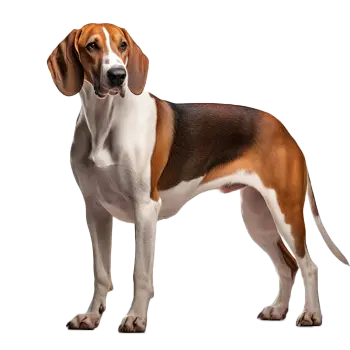

The American Foxhound is not typically targeted by breed-specific legislation. BSL ordinances in the United States and other countries have historically focused on breeds perceived as posing a heightened bite risk, such as pit bull–type dogs, Rottweilers, and certain mastiff breeds. The American Foxhound's gentle temperament and its primary role as a scent hound rather than a guard or protection dog have kept it off the radar of most legislative efforts aimed at restricting specific breeds.
However, owners should be aware that some broadly worded municipal ordinances define restricted dogs by physical characteristics rather than breed name. In rare cases, a large hound might be subject to scrutiny under vaguely drafted regulations, particularly if local animal control officers are unfamiliar with the breed. Maintaining proper identification, registration, and documentation of the dog's breed can help prevent misidentification issues.
It is also worth noting that the legal landscape around BSL is shifting. A growing number of jurisdictions have moved away from breed-specific approaches in favor of behavior-based regulations that hold owners accountable for their individual dog's conduct regardless of breed. This trend generally benefits breeds like the American Foxhound, which are unlikely to be singled out under conduct-based frameworks.
Owners who keep American Foxhounds as part of organized hunting packs may encounter additional regulations specific to hunting dogs, which are distinct from BSL but can affect how and where hounds are kept and exercised. These regulations are typically administered at the state level and may include requirements for hunting licenses, pack registration, and designated hunting seasons.