
Car Travel

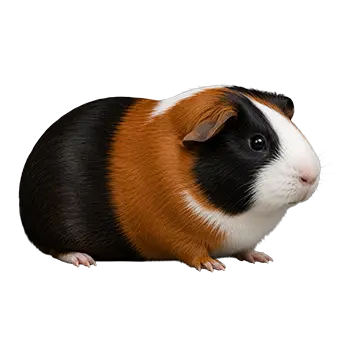
Car travel is the most common and generally the least stressful mode of transport for American guinea pigs. A secure, well-ventilated carrier is essential — hard-sided small animal carriers or modified pet carriers designed for small mammals provide the best combination of security, ventilation, and visibility. The carrier should be large enough for the guinea pig to turn around comfortably and should be lined with absorbent bedding and stocked with hay, as guinea pigs need to graze continuously to maintain healthy digestion.

Temperature regulation is critically important during car travel with guinea pigs. The species is highly sensitive to both heat and cold, with a comfortable range of roughly 65 to 75 degrees Fahrenheit. Cars can heat up rapidly when parked, and guinea pigs are extremely susceptible to heatstroke — a potentially fatal condition that can develop within minutes in a hot vehicle. Owners should never leave a guinea pig unattended in a parked car, even briefly, and should use air conditioning or heating as needed to maintain a stable temperature throughout the journey.

Securing the carrier properly within the vehicle prevents injury from sudden stops or turns. Placing the carrier on the floor behind a front seat or securing it with a seatbelt on the back seat are both effective approaches. The carrier should be positioned away from direct sunlight streaming through windows, and a light cloth draped partially over the carrier can help reduce visual stimulation and promote a sense of security for the animal during the drive.

For longer car journeys, plan stops every two to three hours to check on the guinea pig, offer fresh water, and assess the animal's condition. Guinea pigs may refuse to drink from water bottles during travel due to vibration, so offering water from a small dish during stops is advisable. Fresh vegetables with high water content, such as cucumber or romaine lettuce, can help maintain hydration between stops. Most American guinea pigs acclimate reasonably well to car travel over time, particularly if introduced to short trips gradually.

Air Travel

Air travel with guinea pigs is significantly more complex than car travel and requires careful advance planning. Most major airlines do not permit guinea pigs in the passenger cabin, and policies vary widely between carriers. A limited number of airlines allow small animals in approved carriers under the seat, but guinea pigs are frequently excluded from in-cabin pet programs that accept dogs and cats. Owners considering air travel with a guinea pig should contact airlines directly and well in advance to confirm current policies, as rules change frequently.

When in-cabin travel is not available, some airlines offer cargo or checked pet transport services that accept guinea pigs. However, cargo holds present significant risks for small animals, including temperature extremes, noise stress, pressure changes, and handling during loading and unloading. Many veterinarians and guinea pig welfare organizations advise against cargo transport for guinea pigs unless absolutely necessary, as the stress of the experience can cause serious health consequences including gastrointestinal stasis, respiratory distress, or cardiac events.

For unavoidable air travel, preparation should begin weeks in advance. A health certificate from an accredited veterinarian is typically required, and some airlines mandate that the certificate be issued within a specific window — often ten days — before the travel date. The carrier must meet airline specifications for dimensions, ventilation, and construction, and should be clearly labeled with the owner's contact information and a "Live Animal" designation. Absorbent bedding, hay, and a water source appropriate for travel should be provided inside the carrier.

Alternatives to flying with a guinea pig deserve serious consideration. For domestic relocations, driving is almost always preferable. For international moves, specialized pet transport services can handle the logistics of documentation, carrier preparation, and in-transit care, often providing a less stressful experience for the animal than owner-managed air travel. These services come at a cost, but for owners prioritizing their guinea pig's welfare during a major move, the investment can be worthwhile.

Pet-Friendly Accommodations

Finding accommodations that welcome guinea pigs can be challenging, as many hotels and vacation rentals that advertise pet-friendly policies are referring specifically to dogs and sometimes cats. Guinea pig owners planning overnight travel should contact accommodations directly to confirm that small caged animals are permitted, rather than relying on general pet-friendly designations in online listings. Many properties will accommodate guinea pigs once informed of the specifics, particularly since the animals are quiet, contained, and unlikely to cause property damage.

When staying in hotels or rentals with a guinea pig, bringing a portable enclosure or travel cage ensures the animal has adequate space beyond the transport carrier. Collapsible exercise pens designed for small animals work well in hotel rooms, providing a secure area for the guinea pig to move around while protecting the property from bedding and hay scatter. Placing a waterproof mat or tarp beneath the enclosure protects flooring and simplifies cleanup.

Noise and environmental factors in accommodations deserve attention. Guinea pigs can be startled by unfamiliar sounds, and hotels in particular may expose them to hallway noise, housekeeping activity, and other disturbances. Positioning the enclosure in a quiet corner of the room, away from the door and any external windows, helps minimize stress. Maintaining familiar elements from the home environment — the same type of bedding, the same water bottle, a hiding spot the guinea pig already knows — provides continuity that can help the animal settle into unfamiliar surroundings.

For extended stays or vacations, identifying a local veterinarian with exotic animal experience at the destination is a prudent precaution. Guinea pigs can develop health issues rapidly, and having a veterinary contact already identified eliminates the stress of searching for care during an emergency. Many exotic veterinary practices maintain online directories that allow owners to locate qualified practitioners before arriving at their destination.

Boarding & Pet Sitting

When travel without the guinea pig is the better option, securing appropriate care in the owner's absence is essential. Boarding facilities that accept guinea pigs exist but are less common than those catering to dogs and cats. Owners seeking boarding for an American guinea pig should look for facilities with specific small animal experience, as the species' dietary requirements, temperature sensitivity, and social needs differ substantially from those of more commonly boarded pets. A pre-boarding visit to inspect the facility, discuss care protocols, and introduce the animal to the environment is strongly recommended.

In-home pet sitting is often the least disruptive option for guinea pigs, as it allows the animal to remain in its familiar enclosure and environment. Pet sitters caring for guinea pigs need clear instructions covering feeding schedules, hay and pellet quantities, vegetable variety and frequency, water bottle maintenance, and cage cleaning procedures. A written care sheet covering daily routines, warning signs of illness, and emergency veterinary contact information should be provided to any sitter, regardless of their experience level with guinea pigs.

The social nature of guinea pigs means that a sitter should be prepared to spend time with the animal beyond basic feeding and cleaning duties. Guinea pigs that are accustomed to regular human interaction may become stressed or withdrawn if left alone for extended periods with only brief visits for food and water. Sitters should be encouraged to handle the guinea pig gently, talk to it, and provide supervised floor time or lap time as part of the daily routine.

Exchanging care with other guinea pig owners is another option that has gained popularity through online communities. Guinea pig owner networks and local cavy clubs sometimes facilitate reciprocal pet-sitting arrangements, connecting owners who can provide knowledgeable and experienced care for each other's animals. These arrangements have the advantage of ensuring that the caretaker is already familiar with guinea pig care requirements, reducing the risk of dietary errors, handling mistakes, or missed health warning signs.

Emergency Preparedness

Emergency preparedness for guinea pig owners involves assembling a portable kit that can sustain the animal for at least 72 hours in the event of evacuation or displacement. This kit should include a secure carrier, sufficient hay and pellets for several days, a supply of vitamin C supplement, a water bottle and backup dish, absorbent bedding, and any medications the guinea pig currently requires. Keeping this kit assembled and accessible ensures that owners can respond quickly to emergencies without scrambling to gather supplies.

Natural disasters, power outages, and other emergencies can create dangerous temperature conditions for guinea pigs. The species cannot tolerate sustained temperatures above 80 degrees Fahrenheit or below 60 degrees Fahrenheit without risk of serious health consequences. Owners in regions prone to extreme weather events should have contingency plans for maintaining appropriate temperatures, whether through battery-powered fans, insulated carriers, hand warmers designed for pet use, or evacuation to climate-controlled shelters or the homes of friends or family.

Evacuation planning should account for the specific challenges of transporting guinea pigs. Owners should identify in advance which local emergency shelters accept small animals, as many public emergency shelters do not accommodate pets of any kind. Establishing a network of friends, family members, or fellow guinea pig owners who could provide temporary housing in an emergency is a practical alternative. Local animal welfare organizations and veterinary clinics may also offer emergency boarding during disaster events.

Documentation is an often-overlooked component of emergency preparedness. Keeping current photographs of the guinea pig, along with a record of its veterinary history, any ongoing medical conditions, and identifying characteristics, ensures that the animal can be identified and its medical needs communicated in the event of separation from its owner. Microchipping is available for guinea pigs through some exotic veterinary practices, though it remains uncommon. A leg band or ear tag is sometimes used by breeders for identification purposes, but for most pet owners, clear photographs and written records stored both physically and digitally provide adequate identification documentation.

Always consult a qualified professional before making any health-related decisions. This content is provided for informational reference only and should not replace professional guidance specific to your animal.