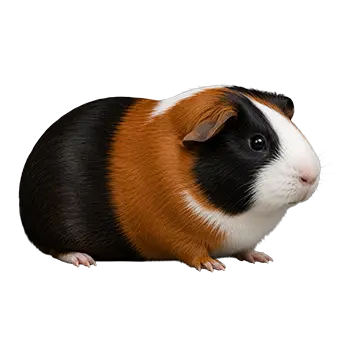

Guinea pigs, including the American breed, are legal to own as pets in the vast majority of jurisdictions worldwide. Unlike some exotic or non-native species, guinea pigs are classified as domesticated animals in most legal frameworks, which means they are generally exempt from the permits and restrictions that apply to wildlife or exotic animal ownership. In the United States, Canada, the United Kingdom, and most of the European Union, no special license or permit is required to purchase or keep a guinea pig as a household pet.
However, some jurisdictions do regulate small animal ownership through general animal welfare statutes that apply to all kept animals, including guinea pigs. These laws typically require that owners provide adequate food, water, shelter, and veterinary care, and they may impose penalties for neglect or cruelty. The specific definitions of adequate care vary by jurisdiction, and in some regions the standards are quite detailed, specifying minimum enclosure sizes or requiring access to veterinary treatment for illness or injury.
Switzerland stands out internationally for its particularly comprehensive approach to guinea pig welfare legislation. Swiss animal welfare law requires that social species, including guinea pigs, be kept in pairs or groups rather than individually. This law reflects the scientific understanding that guinea pigs are highly social animals that can suffer psychologically when housed alone. While enforcement mechanisms vary, the Swiss approach has influenced advocacy efforts in other countries seeking to improve welfare standards for small companion animals.
Prospective guinea pig owners should familiarize themselves with local animal welfare ordinances before acquiring an animal, as municipal regulations can sometimes differ from state or national standards. Some cities and counties have specific provisions for small animals that address issues such as the maximum number of animals that can be kept in a residential dwelling or requirements for outdoor enclosures. Checking with local animal control offices or municipal government websites is a practical first step.