
Film & Television

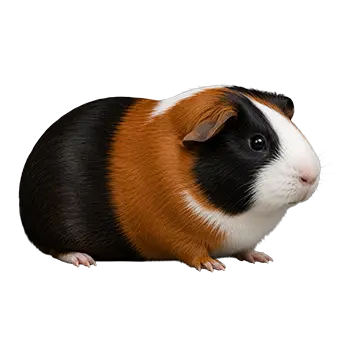
Guinea pigs have made memorable appearances in both animated and live-action film, with the American variety's recognizable smooth coat making it the default on-screen guinea pig. The 2009 Disney film G-Force brought guinea pigs to the forefront of family entertainment, featuring a team of specially trained secret agent cavies on a mission to save the world. While the characters were CGI-enhanced, their designs were clearly inspired by the smooth-coated American guinea pig, and the film introduced an entire generation of young viewers to the species.

On television, guinea pigs have appeared in a wide range of programs from children's shows to adult comedies. The animated series South Park features a recurring guinea pig motif played for absurdist humor, while family-oriented programs on networks like Nickelodeon and the BBC have included guinea pig characters and segments in educational and entertainment contexts. Nature documentaries have also featured guinea pigs, particularly in segments exploring their Andean origins and the cultural practices surrounding them in South America.

The American guinea pig's calm temperament has made it a practical choice for animal trainers working in film and television production. Unlike more skittish small animals, well-socialized Americans tend to remain composed under studio lighting and around equipment, making them reliable performers for scenes requiring close-up interaction with human actors. Animal coordinators frequently select Americans for their predictability and willingness to be handled by multiple people during production.

Guinea pigs have also appeared in numerous commercials and short-form video content. Their round, approachable appearance makes them effective in advertising aimed at families, and their vocalizations add an element of personality that resonates with audiences. The American breed's wide range of coat colors allows production teams to select animals that complement set designs and color palettes, adding to their versatility as on-screen performers.

Literature & Art

Guinea pigs have been subjects of both children's literature and more serious artistic works for centuries. Beatrix Potter's 1893 illustrations included guinea pig characters, and the species has appeared in numerous picture books and early reader titles since then. More recently, children's book series centered entirely around guinea pig characters have gained popularity, using the animals' social nature and gentle personalities as frameworks for stories about friendship, responsibility, and community.

In the world of fine art, the guinea pig's most significant appearance is arguably in the eighteenth-century Cusco School painting of the Last Supper, where a roasted cuy takes the place of the paschal lamb at the center of the table. This work, displayed in the Cathedral of Cusco, stands as one of the most striking examples of colonial-era cultural blending in South American art. The painting has been widely reproduced and discussed in art history contexts, bringing attention to the guinea pig's deep cultural significance in Andean societies.

Contemporary artists working in various media have also drawn inspiration from guinea pigs. Illustration, watercolor, and digital art featuring guinea pigs circulate widely in online art communities, and commissioned pet portraits of guinea pigs have become a thriving niche market. The American guinea pig's clean silhouette and expressive face make it a popular subject for artists working in both realistic and stylized approaches.

Guinea pig care literature has evolved into a substantial genre of its own. Dozens of comprehensive care guides are available in print and digital formats, covering topics from nutrition and health to behavior and enrichment. Many of these guides feature the American breed prominently on their covers and in their instructional photographs, reinforcing its status as the representative guinea pig breed in the public imagination.

Internet & Social Media

The American guinea pig has become one of the most popular small animals on social media, with dedicated accounts on Instagram, TikTok, YouTube, and other platforms amassing followings in the hundreds of thousands. The breed's photogenic qualities — large expressive eyes, rounded body, and wide variety of coat colors — translate exceptionally well to visual media. Short video clips of guinea pigs vocalizing, eating vegetables, or interacting with their cage mates routinely generate millions of views across platforms.

YouTube has been a particularly important platform for guinea pig content, hosting channels that range from daily vlogs documenting the lives of pet guinea pigs to educational series on care, housing, and nutrition. Several of these channels have played a significant role in improving public knowledge about guinea pig welfare, correcting widespread misconceptions about cage size requirements, dietary needs, and the importance of social housing. The American guinea pig features prominently across these channels due to its ubiquity as a pet breed.

Guinea pig meme culture has developed its own distinct identity within the broader pet meme ecosystem. The animals' tendency to freeze in place when startled, their enthusiastic popcorning behavior when excited, and their loud wheeking when they hear food preparation sounds have all become recurring subjects for humorous content. The phrase "wheek wheek" has become a recognized onomatopoeia in online pet communities, and guinea pig reaction images and GIF formats circulate widely across social platforms.

Online communities dedicated to guinea pig ownership and care have flourished on Reddit, Facebook, and dedicated forums. Subreddits such as r/guineapigs host active communities where owners share photos, seek advice, and discuss best practices for care. These communities have been instrumental in shifting the culture of guinea pig keeping toward higher welfare standards, advocating for larger enclosures, proper nutrition, and veterinary care from exotic animal specialists.

Advertising & Branding

Guinea pigs have appeared in advertising campaigns across a range of industries, valued for their universal appeal and non-threatening appearance. Pet supply companies naturally feature guinea pigs in their marketing materials, but the animals have also been used in campaigns for insurance companies, technology firms, and food brands seeking to convey warmth, friendliness, or a sense of playful experimentation. The American guinea pig's smooth, photogenic appearance makes it the most commonly selected variety for commercial photography and video.

The metaphorical use of the term "guinea pig" in marketing has created a secondary branding association for the species. Companies launching beta products or test programs frequently invoke the guinea pig concept in their promotional materials, sometimes featuring images of the animals alongside messaging about being the first to try something new. While this usage draws on the historical association with laboratory testing, it has been largely reframed in a positive light within marketing contexts, emphasizing curiosity and pioneering spirit rather than involuntary experimentation.

Pet industry branding has increasingly featured guinea pigs as the animal industry has recognized the growing market for small animal products. Major pet retailers have expanded their guinea pig product lines and developed guinea pig-specific branding and packaging. The American guinea pig's image appears on hay packaging, pellet bags, cage accessories, and enrichment toys, serving as the recognizable face of the cavy product category.

In the realm of mascots and brand characters, guinea pigs have been adopted by various organizations and businesses. Local pet shops, veterinary clinics specializing in exotic animals, and small animal rescue organizations frequently use guinea pig imagery in their logos and promotional materials. The American breed's wide recognition makes it an effective choice for organizations seeking to establish an immediate connection with their target audience.

The Popularity Effect

Media exposure has had a measurable impact on guinea pig ownership trends. The release of the film G-Force in 2009 coincided with a noticeable spike in guinea pig purchases and adoptions, a pattern consistent with the well-documented phenomenon of pet popularity surging after prominent media appearances. Animal welfare organizations noted both increased interest in guinea pig ownership and, in the months that followed, increased surrenders as some impulse buyers discovered the realities of long-term care commitment.

The rise of social media guinea pig content has driven a more sustained increase in interest, with the advantage of often including educational information alongside entertainment. Unlike a single film release, the ongoing nature of social media content means that prospective owners are more likely to encounter realistic information about care requirements before committing to ownership. Many popular guinea pig accounts explicitly address the costs, time commitment, and veterinary needs associated with keeping guinea pigs, helping to temper impulse decisions.

The media-driven popularity of guinea pigs has also influenced the availability of veterinary care and commercial products for the species. As demand for guinea pig-related goods and services has grown, veterinary practices have expanded their exotic animal capabilities, and pet product manufacturers have developed increasingly sophisticated housing, nutrition, and enrichment options. The American guinea pig, as the most commonly kept breed, has been the primary driver and beneficiary of this market expansion.

Rescue organizations and advocacy groups have worked to harness media popularity for positive outcomes, using viral content and social media engagement to promote adoption, educate about proper care, and raise funds for guinea pig welfare initiatives. The challenge of balancing popularity with responsible ownership remains ongoing, but the depth and quality of guinea pig content available through modern media channels has created a more informed prospective owner population than at any previous point in the breed's history.

Always consult a qualified professional before making any health-related decisions. This content is provided for informational reference only and should not replace professional guidance specific to your animal.