
Breed Reference Literature

The York Chocolate's most substantial media presence has been within the specialized world of cat breed reference books and encyclopedias. During the 1990s and early 2000s, several major breed compendiums included entries on the York Chocolate, introducing the breed to readers who might never encounter one in person. These reference works typically devoted a page or two to the breed's origin story, physical description, and temperament profile, often accompanied by a photograph of a richly colored chocolate specimen posed against a neutral backdrop to highlight the coat's distinctive warm tones.

Breed encyclopedia entries served a dual purpose for the York Chocolate: they documented the breed's existence for the historical record while simultaneously functioning as recruitment tools for potential breeders and owners. Authors of these reference works generally treated the York Chocolate with the same editorial seriousness given to more established breeds, providing detailed descriptions of the breed standard, grooming requirements, and personality characteristics. This equal treatment in print helped legitimize the York Chocolate within the broader cat fancy, even as the breed struggled to gain traction with the largest registries.

The quality of photographic representation in these publications varied considerably. Because the York Chocolate's breeding population was small and concentrated in a limited geographic area, publishers sometimes had difficulty sourcing professional-quality photographs that met their editorial standards. The deep chocolate color of the breed's coat also presented technical challenges for photographers, as the rich brown tones could appear muddy or flat under improper lighting conditions. The best published photographs of York Chocolates captured the breed's coat with careful directional lighting that revealed the subtle variations in shade and the silky texture that distinguished the breed from ordinary brown domestic cats.

As print breed references have given way to online databases and digital encyclopedias, the York Chocolate's representation in these newer formats has remained relatively sparse. Many online breed databases include a basic entry for the York Chocolate, but the information is often recycled from the same handful of original print sources, leading to a somewhat static and repetitive body of published material. The breed's limited pool of living specimens has made it difficult for contemporary writers to add fresh observations or updated photographs to the existing record.

Television & Film

The York Chocolate has not achieved significant representation in mainstream television or film, a circumstance that reflects both the breed's rarity and the broader tendency of entertainment producers to favor more visually dramatic or widely recognized breeds when casting feline roles. Hollywood and television production companies typically select cats for on-screen roles based on a combination of visual impact, availability of trained animal actors, and audience recognition, criteria that have historically favored breeds such as the Persian, Siamese, and Maine Coon. The York Chocolate's relatively obscure status outside the cat fancy has placed it at a disadvantage in this competitive casting environment.

Despite this absence from mainstream entertainment, the York Chocolate has appeared in a small number of specialty television segments and documentary features focused on rare and unusual cat breeds. Programs dedicated to surveying the full range of domestic cat diversity have occasionally included the York Chocolate in their breed rosters, typically presenting it as an example of a recently developed American breed with an interesting origin story. These appearances, while brief, have introduced the breed to television audiences who might otherwise never learn of its existence.

The breed's deep chocolate coloring presents particular challenges for on-screen representation. Dark-coated cats are notoriously difficult to film effectively, as their features can disappear against dark backgrounds or lose definition under flat studio lighting. Cinematographers working with dark-furred animals must use careful backlighting and controlled contrast to reveal the shape and texture of the coat, a technical requirement that adds complexity and cost to any production featuring such animals. This practical consideration has likely contributed to the general underrepresentation of solid dark-colored cats in visual media.

Animal trainers who have worked with York Chocolates or cats of similar type have noted that the breed's temperament is well suited to the demands of on-set performance. Their calm disposition, willingness to be handled, and strong food motivation make them responsive to the reward-based training methods used in professional animal acting. If the breed were more widely available, its behavioral qualities could make it a strong candidate for feline roles requiring a cat that can remain composed under the stresses of a production environment.

Photography & Visual Arts

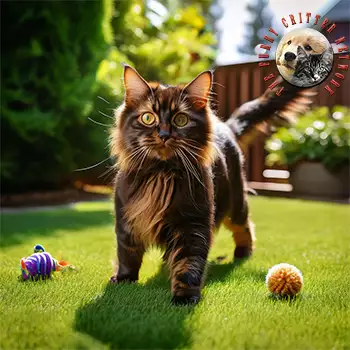
Within the world of cat photography, the York Chocolate has attracted attention from photographers specializing in rare and unusual breeds. The breed's defining feature, its uniformly rich chocolate or lavender coat, offers a distinctive subject that stands apart from the more common color patterns seen in cat photography. Skilled photographers have used the York Chocolate's monochromatic coat as a study in tone and texture, creating images that emphasize the interplay of light and shadow across the silky fur rather than relying on contrasting color patterns for visual interest.

The challenge of photographing dark-coated cats has made the York Chocolate something of a technical exercise for serious pet photographers. The breed's chocolate coloring absorbs light readily, and without careful attention to exposure, lighting angle, and background selection, photographs can render the cat as a featureless dark shape. Photographers who have successfully captured the breed's beauty typically employ rim lighting or carefully positioned fill lights to outline the cat's silhouette and reveal the coat's depth of color. The resulting images, when executed well, possess a moody, painterly quality that distinguishes them from standard pet portraiture.

In the broader visual arts, the York Chocolate has appeared occasionally as a subject in paintings and illustrations created by artists within the cat fancy community. These works, often commissioned by breed enthusiasts or created for breed-specific publications, typically aim to capture the breed's ideal type as described by the breed standard. Such illustrations serve both an aesthetic and a documentary function, preserving a visual record of the breed's intended appearance at a time when living representatives are increasingly scarce.

The breed's visual distinctiveness has also made it a subject of interest in discussions about color genetics and pigmentation in domestic animals. Educational materials aimed at explaining the genetics of coat color in cats frequently use the York Chocolate as an illustration of the phenotypic effects of the recessive chocolate allele at the Brown locus, making the breed a recurring visual presence in the academic and hobbyist literature on feline genetics even as its population has declined.

Digital Media & Online Communities

The rise of the internet and social media has had a paradoxical effect on the York Chocolate's cultural visibility. On one hand, digital platforms have made it possible for information about even the rarest breeds to reach a global audience, and the York Chocolate has benefited from this democratization of breed knowledge. On the other hand, the breed's small population means that fresh content featuring living York Chocolates is extremely limited, and the online conversation about the breed tends to revolve around a relatively static body of historical information and archived photographs.

Online forums and discussion boards dedicated to rare cat breeds have served as important gathering places for York Chocolate enthusiasts. These communities, which emerged in the early 2000s and migrated through successive generations of social media platforms, allow breed admirers to share historical materials, discuss the breed's genetics, and occasionally report sightings of cats that resemble the York Chocolate in the general domestic population. The tone of these discussions often combines nostalgia for the breed's brief period of active development with hope for a future revival.

Social media platforms have introduced the York Chocolate to audiences far beyond the traditional cat fancy. Posts featuring photographs of chocolate-colored longhaired cats, whether purebred York Chocolates or domestic cats of similar appearance, regularly generate significant engagement on image-sharing platforms, with commenters expressing fascination with the unusual color and requesting information about the breed. This organic interest suggests that the York Chocolate's aesthetic appeal remains strong even among people with no prior knowledge of the breed's formal history.

The York Chocolate has also become a recurring subject in the growing genre of online content dedicated to rare, unusual, and extinct animal breeds. Articles, videos, and social media posts cataloging obscure cat breeds frequently include the York Chocolate in their rosters, presenting it alongside other little-known breeds as evidence of the remarkable diversity that exists within the domestic cat species. This type of content serves an educational function while also generating awareness that could, in theory, contribute to future conservation or revival efforts.

Print Journalism & Periodicals

During its period of active development in the late 1980s and 1990s, the York Chocolate received coverage in several cat fancy magazines and general-interest publications. Cat Fancy, the leading American magazine for cat enthusiasts during that era, featured the breed in articles that introduced readers to newly recognized breeds and highlighted the work of individual breeders developing novel lines. These features typically combined a profile of Janet Chiefari and her breeding program with photographs of her cats and an overview of the breed standard, providing the most detailed and widely distributed accounts of the breed's development available at the time.

Regional newspapers in New York State also covered the York Chocolate story, drawn by the local-interest angle of a new cat breed originating from a small upstate farm. These newspaper features tended to emphasize the human-interest dimension of the breed's origin, focusing on Chiefari's journey from casual cat owner to dedicated breeder and the serendipitous nature of Brownie's appearance. The coverage brought the breed to the attention of local audiences who might not have followed the cat fancy press, and several early York Chocolate adopters have cited newspaper articles as their first introduction to the breed.

International cat fancy publications also took note of the York Chocolate, though coverage outside the United States was generally more limited. European and Australian cat magazines included brief mentions of the breed in roundup articles surveying new American breed developments, treating the York Chocolate as one of several experimental breeds emerging from the fertile American cat fancy scene of the period. These international notices helped establish at least a baseline awareness of the breed among overseas fanciers, though the geographic distance and limited availability of breeding stock prevented significant international expansion.

As the breed's active breeding population declined in the early 2000s, press coverage shifted from forward-looking profiles of an emerging breed to retrospective accounts of a breed facing possible extinction. This transition in editorial tone reflected the broader cat fancy's growing awareness of the challenges facing small-population breeds and contributed to an ongoing conversation in feline journalism about breed sustainability and the responsibilities of registries toward newly developed breeds with limited founder populations.

Cultural Legacy & Influence

The York Chocolate's cultural legacy extends beyond its physical existence as a breeding population. The breed's story has become a frequently cited case study in discussions about the process of breed creation, the economics of the cat fancy, and the vulnerability of small breeding populations. Cat fancy educators use the York Chocolate as a teaching example when explaining to aspiring breeders the full scope of commitment required to establish a new breed, from the initial genetic documentation through registry politics and the long-term challenge of building a self-sustaining breeder community.

The breed has also influenced thinking about the role of coat color in breed identity and market appeal. The York Chocolate demonstrated that a solid chocolate coat, while relatively common as a genetic possibility in the domestic cat population, carried significant aesthetic appeal when combined with a refined body type and flowing coat texture. This insight has informed subsequent breeding decisions in other programs seeking to develop or promote chocolate and lavender colorations within established breed frameworks, and the York Chocolate's legacy can be seen in the growing popularity of chocolate-colored variants in breeds where the color was previously rare or unrecognized.

Within the rare breed conservation movement, the York Chocolate serves as both an inspiration and a warning. Its story inspires because it demonstrates that a single observant individual with no professional background in genetics or animal husbandry can identify, document, and begin to stabilize a novel genetic combination. It warns because it illustrates how quickly a breed can decline when the founding breeder's efforts are not replicated and expanded by a broader community. This dual message has made the York Chocolate a touchstone in conversations about rare breed preservation across multiple animal fancy communities.

The breed's influence on popular perceptions of cat diversity should not be underestimated. Every time the York Chocolate appears in a list of unusual breeds, a social media post about rare cats, or a breed encyclopedia entry, it reinforces the message that the domestic cat species harbors far more genetic and phenotypic diversity than most people realize. In this way, the York Chocolate continues to contribute to a cultural appreciation for feline variety that extends well beyond the breed's own diminished numbers, serving as a quiet ambassador for the idea that every cat, from the most common tabby to the rarest pedigree, represents a unique expression of feline genetic possibility.

Always consult a qualified professional before making any health-related decisions. This content is provided for informational reference only and should not replace professional guidance specific to your animal.