
York Chocolate Cat Breed Guide - Furry Critter Network

York Chocolate

Quick Facts

📏 Height
9-11 inches
⚖️ Weight
10-16 pounds
⏱️ Lifespan
13-15 years
📊 Size Category
Medium
🏆 Breed Group
Natural
✨ Coat Type
Long
😊 Temperament
Gentle, affectionate, intelligent, laid-back
🏃 Exercise Needs
Moderate
💇 Grooming Needs
Moderate
🔊 Vocalization
Low to Moderate
🌍 Origin
United States

York Chocolate - Names & Recognition

The York Chocolate takes its name from New York State, where the breed originated in the 1980s, combined with "Chocolate" referencing the breed's distinctive rich brown coloration. This straightforward naming convention clearly identifies both the breed's geographic origin and its most recognizable physical characteristic—the beautiful chocolate-colored coat that inspired the breed's development. The name evokes both regional pride and the breed's sweet, appealing nature.

The breed has no widely recognized alternate names, though it may occasionally be simply called "York" in informal contexts by breeders and owners familiar with the breed. Some discussions reference "Chocolate York" to emphasize the color characteristic, though this is redundant as chocolate coloring is inherent to the breed name. Within the small York Chocolate breeding community, cats are sometimes discussed in terms of their specific color—chocolate or lavender—but these are color designations rather than alternate breed names.

The York Chocolate was developed beginning in 1983 by Janet Chiefari on her farm in New York State. The breed's foundation came from a farm cat named Brownie who displayed the distinctive chocolate coloring that would define the breed. Brownie's daughter, Minnie, also showed the chocolate trait and was bred to a long-haired black cat, producing kittens that further established the chocolate coloring and long coat. Chiefari recognized the unique characteristics and began a breeding program to develop these traits consistently, creating what would become the York Chocolate breed.

The breed gained limited recognition during its development. The Canadian Cat Association (CCA) recognized the York Chocolate, granting it championship status and allowing these cats to compete in shows. However, other major registries including The International Cat Association (TICA) and the Cat Fanciers' Association (CFA) did not grant recognition. This limited recognition meant the breed remained relatively unknown outside dedicated breeding circles and cat fancy enthusiasts interested in rare breeds.

Unfortunately, the York Chocolate breed has become extremely rare and may be approaching extinction. Breeding programs have largely ceased, and very few breeders continue working with the breed. The breed's small population and limited geographic distribution mean it hasn't developed regional variations or accumulated alternate names across different countries or languages. The York Chocolate represents a cautionary tale in cat breeding—a breed that achieved limited recognition but failed to gain sufficient popularity or breeder support to ensure long-term survival. Today, the breed is considered critically rare, with uncertain future and minimal breeding activity, making each remaining York Chocolate cat precious as a representative of this endangered American breed.

York Chocolate Physical Description

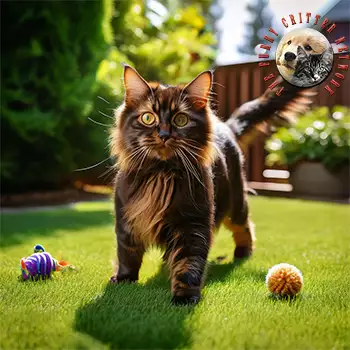
The York Chocolate presents a striking appearance dominated by its distinctive chocolate or lavender coloration and long, flowing coat. These medium to large cats typically weigh between 10-16 pounds, with males generally larger and more substantial than females. Their bodies are moderately long and well-proportioned with good muscle tone, creating a sturdy build that reflects their farm cat heritage. The overall impression is one of elegant beauty combined with robust construction—a cat that looks both beautiful and capable.

The body structure is medium to large, substantial, and moderately long without being extreme. The torso is firm and muscular with good depth, and the chest is broad and full. Legs are medium in length, strong, and well-muscled, proportionate to the body. The paws are medium-sized and rounded, often displaying tufts of fur between the toes. The tail is medium to long, well-furred with a plume-like appearance, tapering slightly from base to tip. This balanced body structure reflects the breed's farm cat origins, where functionality and health were prioritized over extreme features.

The head is a modified wedge shape with gentle contours rather than extreme angles. The muzzle is well-defined but not pointed, and the cheekbones are moderately prominent. The profile shows a gentle curve rather than a completely straight line. Ears are medium to large, wide at the base with slightly rounded tips, and set moderately apart on the head. Some cats display ear tufts or furnishings, adding to their charm. The eyes are medium to large, almond to oval in shape, and set at a slight angle. Eye color is typically gold, green, or hazel, providing beautiful contrast against the chocolate coat. The combination of head shape, ear placement, and eye color creates a sweet, appealing expression.

The coat is the York Chocolate's crowning glory—semi-long to long, silky in texture, and lying moderately close to the body. The coat develops gradually, with kittens born with shorter fur that lengthens as they mature, typically reaching full coat length by two years of age. The texture is soft and silky without being overly fluffy or cottony, making it less prone to matting than some longhaired breeds. The coat is slightly longer around the neck (forming a modest ruff), on the belly, and particularly on the tail where it creates an impressive plume. The coat's silky texture and moderate length create a flowing, elegant appearance.

The color is the breed's most distinctive feature. York Chocolates come in chocolate (rich, warm brown resembling milk chocolate) or lavender (pale brown with pinkish tones, similar to lilac in other breeds). Both colors should be solid and even throughout the coat, though slight shading is acceptable. Some cats display white markings, typically on the chest, belly, or paws (creating a "locket" or "mittens" pattern), which is acceptable within breed standards. Kittens are born lighter and gradually develop their full chocolate or lavender color over the first year, with color continuing to deepen and enrich into adulthood. The chocolate coloring is particularly striking with gold or green eyes, creating dramatic contrast that showcases the breed's beauty. The combination of rich coloring, long flowing coat, and sweet expression creates visually stunning cats that live up to their appetizing name.

Affection Level
York Chocolate cats are exceptionally affectionate and form deep bonds with their families. They love spending time with their humans, seeking out laps for extended cuddle sessions and showing devoted loyalty that makes them wonderful companions.
Friendliness
These cats are generally friendly and welcoming with family members and familiar visitors. They may be initially reserved with strangers, taking time to warm up, but show genuine warmth once they feel comfortable and trust has been established.
Child-Friendly
York Chocolate cats are wonderful with children, displaying remarkable patience and gentle temperament. Their calm, tolerant nature and love of attention make them ideal family pets who handle the energy and enthusiasm of children gracefully.
Pet-Friendly
These cats typically get along excellently with other pets, including cats and dogs. Their laid-back, non-aggressive nature helps them establish peaceful relationships in multi-pet households, and they often form close bonds with other animals.
Exercise Needs
York Chocolate cats have moderate exercise needs, enjoying daily play sessions without demanding constant activity. Their farm cat heritage gives them natural hunting instincts, but they're content with moderate activity levels and regular interactive play.
Playfulness
These cats maintain a playful spirit throughout their lives, enjoying interactive toys and games. They love chasing toys and engaging with their families, bringing entertainment without the hyperactive intensity of some breeds, balancing play with relaxation.
Energy Level
York Chocolate cats have balanced energy levels, alternating between periods of activity and rest. They're neither hyperactive nor excessively sedentary, making them adaptable to various household environments and activity levels while maintaining healthy physical condition.
Intelligence
Intelligent and observant, York Chocolate cats quickly learn routines and understand household dynamics. Their problem-solving abilities reflect their farm cat origins, making them trainable and responsive to positive reinforcement while maintaining independent thinking.
Tendency to Vocalize
York Chocolate cats are relatively quiet compared to many breeds, communicating softly when necessary. They'll meow to request attention or express needs but aren't chatty, maintaining a pleasant, low-key vocal presence that suits those preferring quieter companions.
Amount of Shedding
These cats experience moderate shedding, particularly during seasonal changes. Regular brushing manages loose hair effectively, and while they shed more than shorthaired breeds due to their long coats, the shedding is manageable with consistent grooming routines.

York Chocolate History & Origins

The York Chocolate's history begins in 1983 on a small farm in New York State owned by Janet Chiefari. The breed's foundation was entirely accidental, arising from natural breeding among the farm's cat population rather than deliberate human planning. A long-haired black cat on the farm produced a litter that included a kitten with unusual coloring—a rich chocolate brown rather than the expected black. Chiefari named this kitten Brownie and was captivated by her beautiful, unique coloring.

When Brownie matured and had her own litter (sired by a long-haired black male, possibly her father), she produced both black and chocolate kittens, proving the chocolate trait was genetic and heritable. One of Brownie's chocolate daughters, named Minnie, was particularly beautiful and became a foundation cat for what would develop into the York Chocolate breed. Chiefari began paying close attention to these chocolate-colored cats, recognizing they represented something special and potentially worth preserving as a distinct type.

Chiefari made the decision to develop these cats as a breed, establishing a deliberate breeding program to fix the chocolate trait and develop consistent type. She focused on cats displaying the chocolate coloring, long coat, and substantial build she found appealing. The farm cat origins meant these cats possessed robust health, practical conformation, and balanced temperaments—they needed to survive farm life, catch mice, and get along with other animals. This natural selection created cats with functional builds and sound constitutions.

As the breeding program progressed, lavender (a dilute version of chocolate) also appeared in litters, adding another beautiful color variation to the breed. Chiefari welcomed this color as an acceptable variant, expanding the breed's palette while maintaining the focus on chocolate tones. She also accepted white markings when they appeared naturally, recognizing that farm cat genetics might produce various patterns while the fundamental chocolate color remained the defining characteristic.

Chiefari named the breed "York Chocolate" after New York State (her location) and the distinctive chocolate coloring. She worked to gain recognition for her cats, presenting them to cat registries and showing them at cat shows. In 1990, the Canadian Cat Association (CCA) recognized the York Chocolate, granting it championship status and establishing official breed standards. This recognition was significant as it validated the breed's distinctiveness and provided framework for continued development.

However, other major registries proved less receptive. The International Cat Association (TICA) considered the breed but did not grant recognition. The Cat Fanciers' Association (CFA) likewise did not recognize the York Chocolate. This limited recognition meant the breed remained relatively obscure, known primarily within Canadian cat fancy circles and among rare breed enthusiasts. Without recognition from major international registries, the breed struggled to gain visibility and attract new breeders.

Throughout the 1990s and early 2000s, a small number of breeders worked with York Chocolates, primarily in the United States and Canada. The breed never achieved widespread popularity, remaining a rare curiosity rather than becoming established like more successful breeds. Several factors contributed to this limited success: competition from other brown or chocolate-colored breeds (particularly Havana Browns and chocolate Oriental Shorthairs), the breed's relatively plain appearance compared to exotic breeds gaining popularity in the 1980s and 1990s, limited registry recognition restricting show opportunities, and the small breeder base unable to promote the breed effectively.

As time progressed, the York Chocolate breeding population declined. Breeders retired from breeding, moved to other breeds, or simply stopped producing York Chocolates as demand proved insufficient to sustain programs. By the 2010s, the breed had become critically rare, with very few active breeders and minimal breeding activity. The breed's founder, Janet Chiefari, is no longer actively breeding York Chocolates, and no significant breeding programs have emerged to continue development.

Today, the York Chocolate is considered one of the rarest cat breeds and may be approaching extinction or already functionally extinct. Few if any active breeding programs exist, and registered York Chocolates are extremely difficult to find. The breed represents a reminder that breed development requires not just creation but sustained support, breeder dedication, and public interest to survive long-term. While the York Chocolate achieved recognition and developed a devoted following among those who knew them, the breed ultimately failed to gain sufficient momentum to ensure survival. The few remaining York Chocolates are precious representatives of this endangered American breed, and without renewed breeding efforts, the York Chocolate may disappear entirely, becoming a footnote in cat fancy history rather than a thriving breed.

York Chocolate Temperament & Personality

The York Chocolate's temperament reflects its farm cat heritage, combining affectionate companionship with independent capability and balanced personality. These cats are known for their gentle, sweet nature that makes them ideal family pets, particularly for households seeking loving but not demanding cats. Their temperament represents a middle ground between extremely clingy breeds and aloof cats, creating companions who enjoy human interaction without requiring every moment of attention.

Affection is central to the York Chocolate personality. These cats form deep bonds with their families and show their love through companionship, purring, and seeking physical contact. They enjoy sitting on laps, sleeping on or near their favorite humans, and following family members through the house to be near them. However, their affection manifests in a calm, undemanding way—they appreciate attention and cuddles but can also entertain themselves when their humans are busy. This balanced affection makes them excellent companions for people who want loving cats without the intensity of extremely clingy breeds.

Gentleness characterizes the York Chocolate's interactions with everyone, including children and other pets. These cats rarely display aggression and typically respond to stress or discomfort by withdrawing rather than lashing out. Their patient, tolerant nature makes them particularly suitable for families with young children who might be too energetic or unpredictable for more sensitive breeds. York Chocolates handle the chaos of family life with remarkable grace, remaining calm and steady even in busy, noisy households. This gentleness extends to other pets—they establish peaceful relationships and rarely cause conflicts in multi-pet homes.

Intelligence makes York Chocolates interesting and responsive companions. They're observant cats who learn household routines quickly and can solve simple problems. They understand their owners' schedules and often anticipate activities like meal times or play sessions. Their intelligence makes them trainable using positive reinforcement, and many York Chocolates learn their names, come when called, and even master simple tricks. They respond well to interactive toys and puzzle feeders that engage their cognitive abilities, though they're not as intensely demanding of mental stimulation as some highly intelligent breeds.

Playfulness is present throughout the York Chocolate's life, though expressed in a moderate, balanced way. These cats enjoy play sessions with interactive toys, particularly those that mimic prey movements like feather wands or small toys they can bat around. Their farm cat heritage gives them natural hunting instincts, and they may bring "gifts" of captured toys (or actual prey if they have outdoor access) to their humans. However, their play style is generally calm rather than hyperactive—they engage enthusiastically during play sessions but don't race around the house constantly or demand play at inappropriate times. This moderate playfulness suits families who want entertaining, interactive cats without the exhausting energy of extremely active breeds.

The laid-back nature of York Chocolates makes them adaptable and easy to live with. They handle changes in routine or environment better than many breeds, don't typically develop neurotic behaviors, and rarely cause problems through aggression or destructive behavior. They're content to observe household activities from comfortable perches, nap in sunny spots, and generally go with the flow of family life. This easy-going temperament makes them ideal for first-time cat owners or families wanting low-drama pets.

Vocally, York Chocolates are relatively quiet compared to chatty breeds like Siamese or Oriental cats. They communicate when necessary using soft meows or chirps but aren't constantly vocal. They'll request attention or food with gentle vocalizations but rarely yowl or demand loudly. This quiet nature suits people who prefer peaceful homes without constant feline commentary. Their purrs, however, are often quite loud and enthusiastic, reflecting their contentment and affection.

Socially, York Chocolates may be initially reserved with strangers but warm up gradually once they assess the situation. They're not aggressive or fearful toward visitors but may observe from a distance before deciding to approach. With family members and familiar people, they're affectionate and engaged. They typically do well living with other cats or cat-friendly dogs, establishing harmonious relationships through their non-confrontational, gentle nature. Overall, the York Chocolate temperament—affectionate yet independent, gentle, intelligent, moderately playful, and laid-back—creates ideal companions for families seeking sweet-natured, low-key cats who provide loving companionship without excessive demands or drama.

Care Requirements

Caring for a York Chocolate cat is relatively straightforward, as their balanced temperament and farm cat heritage make them adaptable and low-maintenance compared to many purebred cats. However, their semi-long coat requires regular grooming attention. Proper care ensures your York Chocolate remains physically healthy, mentally satisfied, and emotionally content throughout their life.

The York Chocolate's semi-long to long coat requires moderate grooming to maintain its beauty and prevent matting. Brush your cat 2-3 times weekly using a slicker brush or metal comb to remove loose hair, prevent tangles, and distribute natural oils. Start at the head and work systematically toward the tail, paying special attention to areas prone to matting: behind the ears, under the armpits, around the collar area, and on the belly and hindquarters. The tail plume requires gentle combing to maintain its flowing beauty. During spring and fall shedding seasons, increase brushing to daily sessions to manage increased hair loss and prevent mat formation. Most York Chocolates tolerate grooming well when introduced from kittenhood, and many enjoy the attention and bonding time.

The silky texture of the York Chocolate coat means it's less prone to severe matting than some longhaired breeds with cottony undercoats. However, neglecting grooming will still result in tangles and mats that can become painful. If you find small mats, work them out gently with fingers or a mat splitter rather than pulling, which causes discomfort. Never cut mats with scissors near the skin, as you may accidentally cut the cat. For severe matting, consult a professional groomer or veterinarian.

Bathing is rarely necessary unless your cat gets into something messy. York Chocolates are effective self-groomers, and their coat naturally resists excessive dirt. If bathing becomes necessary, use a gentle cat-specific shampoo, rinse thoroughly, and towel dry. The semi-long coat takes longer to dry than short coats, so keep your cat in a warm room until fully dry to prevent chilling. Some owners bathe their York Chocolates during heavy shedding seasons to remove loose undercoat more effectively than brushing alone.

Nail trimming should occur every 2-3 weeks to prevent overgrowth and splitting. Provide scratching posts in various styles and locations—York Chocolates appreciate both vertical and horizontal scratching surfaces. Dental care is crucial—brush teeth several times weekly using cat-specific toothpaste and brushes to prevent periodontal disease, which affects overall health and quality of life.

Environmental enrichment satisfies York Chocolates' moderate activity needs. Provide cat trees or shelving systems offering vertical territory for climbing and perching. These cats enjoy height and appreciate window perches where they can observe outdoor activity and bask in sunlight. Their farm cat heritage gives them natural interest in watching birds and small animals, making window access particularly enriching. Interactive toys that mimic prey movements—feather wands, spring toys, small balls—engage hunting instincts. Puzzle feeders add mental stimulation while slowing eating.

York Chocolates respond well to positive reinforcement training. They can learn tricks, master commands, and adapt to household rules with patient, reward-based methods. Their intelligence and desire to please make training sessions enjoyable for both cat and owner. Many York Chocolates learn their names quickly, come when called, and understand boundaries about furniture or counters.

Litter box maintenance is important—scoop daily and change litter weekly. York Chocolates appreciate clean facilities and may avoid dirty boxes. Provide at least one box per cat plus one extra in multi-cat households, placing them in quiet, accessible locations. Regular veterinary check-ups, including annual wellness exams and vaccinations, maintain optimal health. Indoor living is recommended to protect from outdoor dangers including traffic, predators, diseases, and theft, though supervised outdoor access in secure enclosures can provide enrichment for cats who enjoy it.

Feeding & Nutrition

Feeding a York Chocolate cat requires attention to their nutritional needs as a moderately active breed with substantial build. Providing high-quality, appropriately portioned food ensures your York Chocolate maintains optimal health, ideal body condition, and supports their semi-long coat throughout their life.

Choose premium cat food with high-quality animal protein as the primary ingredient. York Chocolate cats thrive on diets containing at least 30-40% protein on a dry matter basis with moderate fat content (15-20%). Look for foods featuring named meat sources like chicken, turkey, fish, or lamb rather than generic "meat meal" or excessive grain fillers. As obligate carnivores, cats require animal-based protein for essential amino acids including taurine (critical for heart and eye health) and arginine (necessary for protein metabolism). Quality protein supports their muscular build and provides nutrients for healthy coat maintenance.

Both wet and dry food work well for York Chocolate cats. Wet food provides additional hydration—particularly important for cats who may not drink enough water—and typically contains higher protein with fewer carbohydrates than dry kibble. The moisture content supports urinary tract health by diluting urine and promoting frequent urination, reducing crystal and stone formation risk. Dry food offers dental benefits through mechanical cleaning action and provides convenience. Many owners feed a combination approach, offering wet food for primary meals supplemented with measured amounts of dry food.

Fat content in food contributes to coat health and shine. Omega-3 and omega-6 fatty acids support skin health and create the glossy appearance characteristic of healthy York Chocolate coats. Foods containing fish oil or other sources of essential fatty acids can enhance coat quality, though avoid excessive fat which leads to weight gain.

Portion control maintains ideal body weight. Adult York Chocolate cats typically require 250-350 calories daily depending on their size, activity level, and metabolism. Males, being larger, generally need more calories than females. Most cats do well with two meals daily rather than free-feeding, as measured portions prevent overeating. Monitor body condition regularly—you should easily feel ribs with light pressure but not see them prominently. There should be a visible waist when viewed from above, and an abdominal tuck when viewed from the side. York Chocolates should maintain their substantial, muscular build without excess weight.

Kittens have different nutritional requirements than adults. Young York Chocolate kittens need kitten-specific food with higher protein, fat, and caloric content supporting rapid growth and development. Feed kittens 3-4 small meals daily until six months of age, then gradually transition to adult feeding schedules. York Chocolates continue developing until approximately 18-24 months, particularly males who may take longer to reach full size. Maintain higher-calorie kitten food through this growth period. Ensure smooth transitions between foods by gradually mixing increasing amounts of new food with old over 7-10 days, preventing digestive upset.

Fresh water should always be available. Many cats prefer running water, so consider a cat water fountain to encourage adequate hydration. Position water bowls away from food bowls, as cats instinctively prefer separating eating and drinking areas. Clean water bowls daily to prevent bacterial growth and encourage drinking. Adequate hydration supports kidney function, urinary tract health, and overall wellbeing.

Avoid feeding your York Chocolate human food, especially toxic items like chocolate (ironically, despite the breed name!), onions, garlic, grapes, raisins, xylitol, alcohol, and caffeine. While occasional small treats of cooked meat are harmless, cats don't require dietary variety like humans do, and sudden changes can cause digestive issues. Limit treats to less than 10% of daily caloric intake to ensure balanced nutrition. Consider using portions of regular food as training treats rather than adding extra calories. Consult your veterinarian about specific dietary needs if your cat has health concerns, allergies, or sensitivities.

York Chocolate Health & Lifespan

The York Chocolate's health profile benefits significantly from its farm cat origins and natural development. Unlike many purebred cats created through intensive selective breeding from limited gene pools, York Chocolates developed from working farm cats with diverse genetics and natural selection favoring health and vigor. This heritage typically results in robust constitution and fewer breed-specific genetic disorders than many purebred cats. However, as an extremely rare breed with limited population, long-term health data is minimal. With proper care, nutrition, and veterinary attention, York Chocolate cats typically live 13-15 years, with many individuals potentially reaching 16-18 years when well cared for.

The York Chocolate's farm cat heritage and natural development have blessed the breed with generally robust health and vigor. Their diverse genetic background reduces the concentration of genetic disorders that can affect purebred cats developed from limited gene pools. By providing routine veterinary care, maintaining appropriate weight through balanced diet and moderate exercise, ensuring dental health through regular brushing, managing coat care to prevent hairballs, and monitoring for any changes in behavior or physical condition, owners can help their York Chocolate cats live long, healthy lives. These gentle, affectionate cats reward proper care with years of devoted companionship, bringing their unique combination of chocolate beauty and sweet temperament to families while demonstrating that natural development often produces healthier, more robust cats than extreme selective breeding.

Common Health Issues

  • Dental disease affects York Chocolate cats as it does all cats - Particularly without preventive care. Plaque and tartar buildup leads to gingivitis and periodontal disease, causing pain, tooth loss, and potentially systemic infections as bacteria enter the bloodstream. Regular tooth brushing and professional dental cleanings maintain oral health throughout life.
  • Obesity can affect York Chocolate cats who don't receive adequate exercise or are overfed. While naturally substantial and muscular - Lack of activity or inappropriate diet can lead to weight gain. Excess weight strains joints, increases diabetes and arthritis risk, and significantly shortens lifespan. Maintaining active lifestyle and appropriate portions prevents obesity.
  • Hairballs can affect York Chocolate cats due to their long coat and grooming habits. Regular brushing reduces ingested hair - And specialized hairball control diets or supplements help hair pass through the digestive system. Watch for signs of hairball problems including frequent vomiting, constipation, or loss of appetite.
  • Hypertrophic cardiomyopathy - HCM, , a heart condition where the heart muscle thickens abnormally, can affect any cat breed including York Chocolates. Regular veterinary check-ups including heart auscultation help detect this condition early. While not specifically documented as a York Chocolate issue, monitoring heart health benefits all cats.
  • Kidney disease can affect older York Chocolate cats as kidneys naturally decline with age. Regular blood work and urinalysis monitor kidney function - And early detection allows for dietary management and supportive care that slow disease progression and maintain quality of life through senior years.
  • Urinary tract issues including cystitis - Crystals, or blockages can affect cats of any breed, particularly males with their narrower urethras. Ensuring adequate water intake through wet food and fresh water availability helps minimize risk. Watch for signs like straining in the litter box, frequent urination, or blood in urine.

Preventive Care & Health Monitoring

  • Annual veterinary examinations are essential for maintaining York Chocolate cat health. These check-ups include physical examination, dental assessment, weight monitoring, and discussion of any behavioral or health changes. Senior cats - Over 7 years, benefit from twice-yearly visits and regular blood work detecting age-related conditions like kidney disease, hyperthyroidism, or diabetes early.
  • Keep vaccinations current according to your veterinarian's recommendations based on lifestyle and exposure risk. Core vaccines protect against rabies - Feline panleukopenia, herpesvirus, and calicivirus. Indoor cats still need protection as some diseases are airborne or can be tracked inside. Discuss appropriate vaccination schedules for your cat's specific situation.
  • Maintain regular parasite prevention including flea - Tick, and heartworm control. Even indoor cats benefit from these preventives as parasites can enter homes on shoes, clothing, or other pets. Regular deworming based on lifestyle and fecal examinations ensure intestinal parasites don't compromise your cat's health.
  • Regular grooming prevents hairballs and maintains coat health. Brushing 2-3 times weekly removes loose hair before your cat ingests it during self-grooming. During shedding seasons - Increase brushing frequency. Consider hairball prevention products if your cat experiences frequent hairball issues despite regular grooming.

Coat Color & Grooming

The York Chocolate's coat is its most distinctive and beautiful feature, combining rich chocolate or lavender coloring with long, flowing fur that requires moderate but not excessive maintenance. Understanding the coat's characteristics and proper grooming techniques ensures your York Chocolate maintains their stunning appearance while staying healthy and comfortable.

The coat length is classified as semi-long to long, developing gradually as kittens mature. Young kittens are born with shorter, softer fur that lengthens over their first year and continues developing until approximately two years of age when the coat reaches full length and density. The texture is silky and soft without being overly fluffy or cottony—this silky texture is important as it resists matting better than cottony-textured coats. The coat lies moderately close to the body rather than standing out dramatically, creating a flowing, elegant appearance. The coat is longest on the tail (forming an impressive plume), around the neck (creating a modest ruff), and on the belly and britches. The ears may have tufts or furnishings, and tufts often appear between the toes.

The color is what makes York Chocolates instantly recognizable. The breed comes in two primary colors: chocolate (rich, warm brown resembling milk chocolate—medium to dark brown with warm undertones) and lavender (pale brown with pinkish or lilac tones, similar to the lilac color in other breeds). Both colors should be solid and even throughout the coat from roots to tips, though slight shading is acceptable with darker color along the back and lighter on the underparts. Some cats display white markings, typically on the chest (creating a locket), belly, or paws (creating mittens). These white markings are acceptable within breed standards as long as the predominant color is chocolate or lavender.

Kittens are born lighter in color and gradually develop their full chocolate or lavender coloring over the first year. The color continues to deepen and enrich into adulthood, with full color maturity sometimes not achieved until 2-3 years of age. Chocolate cats are more common than lavender, as lavender is the dilute version requiring two copies of the dilution gene. The chocolate coloring is particularly striking against gold or green eyes, creating beautiful contrast that showcases the breed's distinctive appearance.

Grooming the York Chocolate coat requires commitment but is manageable with consistent routines. Brush your cat 2-3 times weekly using a slicker brush for removing loose hair and a metal comb for working through any tangles. Start at the head and work systematically through the body, paying special attention to areas prone to matting: behind the ears, under the front legs (armpits), around the collar area, on the belly, and the britches. The tail plume requires gentle, careful combing to maintain its beauty while preventing tangles. Always brush in the direction of hair growth, and be gentle to avoid pulling or breaking the hair.

During spring and fall shedding seasons, increase grooming to daily sessions. The undercoat sheds more heavily during these times, and daily brushing prevents loose hair from forming mats and reduces the amount your cat ingests during self-grooming (reducing hairballs). Some owners find using a de-shedding tool during peak shedding helps remove loose undercoat more effectively than regular brushing alone, though use these tools carefully to avoid damaging the topcoat.

If you encounter small mats or tangles, work them out gently with your fingers or a mat splitter, never pulling or yanking which causes pain and breaks hair. For more stubborn mats, apply a small amount of cornstarch or mat-preventing spray to help loosen the tangle before working it out. Prevention is always easier than dealing with mats, so maintain regular grooming schedules.

Most York Chocolates tolerate grooming well when introduced properly from kittenhood. Make grooming sessions positive experiences through gentle handling, soothing conversation, and occasional treats. Many cats purr throughout grooming, enjoying both the physical sensation and the quality time with their favorite human. Grooming sessions also provide opportunities to check for skin issues, lumps, parasites, or injuries requiring veterinary attention. The York Chocolate's coat beauty, combined with its manageable maintenance requirements, creates stunning companions whose chocolate elegance requires consistent but not excessive grooming effort to maintain.

Children & Other Pets

York Chocolate cats excel in family environments and typically integrate seamlessly into households with children and other pets. Their gentle, patient temperament combined with laid-back nature makes them ideal companions for diverse family structures. Understanding their social adaptability helps ensure successful, happy relationships with all household members.

With children, York Chocolate cats demonstrate exceptional patience and tolerance. Their gentle, non-aggressive nature means they rarely react negatively to the energy and unpredictability of children. These cats can handle noise, movement, and enthusiastic attention that might stress more sensitive breeds. They enjoy gentle play with children and often seek out kids as companions, appreciating the attention and interaction. Many York Chocolates form special bonds with children in the family, becoming devoted friends who participate in play and provide comfort.

York Chocolates' substantial size and sturdy build mean they're less fragile than some delicate breeds, better able to handle appropriate play with children. Their calm temperament means they're unlikely to scratch or bite even when handled somewhat roughly, though teaching children proper cat interaction techniques remains important. Demonstrate gentle petting, avoiding tail or ear pulling, and teach recognition of body language indicating the cat needs space—though York Chocolates rarely show aggression, they deserve respectful treatment. Ensure your York Chocolate has accessible escape routes to quiet spaces if needed, though these cats typically don't hide from family activity.

York Chocolate cats generally integrate wonderfully into multi-cat households. Their peaceful, non-confrontational nature helps them establish harmonious relationships with other cats. They rarely display territorial aggression or bullying behavior, instead accepting new cats gradually and forming friendships over time. Many York Chocolates become best friends with other household cats, engaging in mutual grooming, synchronized napping, and gentle play. Their laid-back personality means they adapt well to various feline personalities, getting along with both active and calm cats. When introducing a new York Chocolate to resident cats, follow standard protocols with gradual introductions, though their easy-going nature usually facilitates quick acceptance.

With dogs, York Chocolate cats often form excellent relationships when paired with cat-friendly canine temperaments. Their calm, confident nature prevents them from acting fearful or prey-like, helping establish appropriate dynamics. Many York Chocolates actively befriend household dogs, sleeping together, grooming each other, and coexisting peacefully. Dogs with gentle, calm temperaments who are experienced with cats make the best companions. When introducing York Chocolates to dogs, ensure controlled, positive first meetings and never allow chasing. Most York Chocolates' non-reactive, steady temperament helps them navigate initial meetings successfully, and many become genuinely devoted to their canine companions.

With smaller pets like birds, hamsters, or rabbits, standard precautions apply. While York Chocolates aren't particularly more prey-driven than average cats, they retain hunting instincts from their farm cat heritage. Their gentle nature doesn't eliminate these instincts entirely. Keep small animals securely housed in areas your cat cannot access, and never leave them unsupervised together regardless of how calm your York Chocolate appears. Most York Chocolates display curiosity rather than overt aggression toward small pets, but even curiosity can result in tragedy.

Overall, York Chocolate cats' combination of gentle temperament, patience, non-aggressive nature, and adaptability makes them ideal family pets who thrive in diverse household situations. They suit families with children, other cats, dogs, and various activity levels. Their farm cat heritage gave them the social skills and resilience necessary to navigate complex household dynamics successfully. With minimal effort to facilitate proper introductions and teach appropriate interactions, York Chocolate cats integrate seamlessly into most families, bringing their sweet temperament, beautiful appearance, and devoted companionship to all household members while maintaining the peaceful, easy-going personality that makes them such special companions.