
Film & Television

Hairless cats have a recognizable, if intermittent, presence in film and television, where their unusual appearance is frequently used as visual shorthand for the exotic, the eccentric, or the slightly mysterious. When productions reach for a bare-skinned feline, the cat on screen is most often a Sphynx, the better-known hairless breed, rather than a Peterbald specifically.

The Peterbald itself appears on screen far less commonly, in part because of its rarity and in part because casual viewers rarely distinguish between the various hairless breeds. A bare-coated cat in a film is usually read by audiences simply as "a hairless cat," without reference to the specific breed standing in front of the camera.

Where Peterbalds do appear, they tend to be cast for the same reasons as other hairless cats: to suggest a character of unusual taste, wealth, or quirkiness, or to lend a scene a striking and memorable image. The breed's elegant, oriental lines can give it a particularly poised presence compared with stockier hairless types.

For viewers interested in the breed, it is worth approaching on-screen "hairless cats" with a discerning eye. Distinguishing a Peterbald from a Sphynx or Donskoy in a given production can be difficult, and breed attributions in entertainment media are often loose or simply absent.

Art & Photography

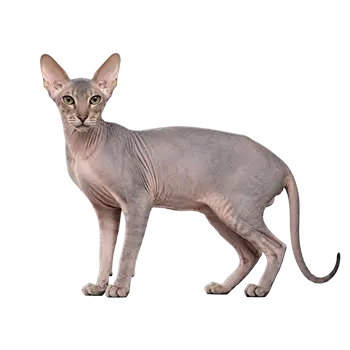
The Peterbald's sculptural body and expressive face make it a compelling subject for photographers and visual artists. Without a coat to soften its contours, the breed reveals the elegant musculature, long limbs, and dramatic ear set that define its silhouette, qualities that translate vividly into portraiture and fine-art imagery.

Pet photographers in particular gravitate toward hairless and near-hairless cats because of the way light plays across bare skin and the heightened sense of emotion their large eyes and wrinkled features can convey. The Peterbald's slender, almost dancer-like frame lends itself to dynamic, stylized compositions.

Beyond commercial pet photography, hairless cats have featured in conceptual and editorial art that explores themes of vulnerability, otherness, and beauty redefined. The Peterbald, with its refined oriental type, fits naturally into work that treats the cat as an object of striking and unconventional elegance.

This visual appeal feeds directly into the breed's cultural footprint. Many people first encounter the Peterbald not in person but through a memorable photograph, which makes image-making one of the most important vehicles for the breed's growing recognition.

Internet & Social Media

If any arena has propelled the Peterbald into wider awareness, it is social media. Hairless and near-hairless cats are perennial favorites on platforms like Instagram and TikTok, where their distinctive looks, dramatic ears, and expressive faces reliably draw attention and engagement.

Peterbald owners often build dedicated accounts around their cats, sharing photos and short videos that highlight the breed's interactive, attention-loving personality. The cats' tendency to seek warmth, perch on shoulders, and use their dexterous paws gives content creators a steady supply of charming, shareable moments.

Online communities also serve an educational function, helping curious viewers understand the differences between the various hairless breeds and dispelling common misconceptions, such as the idea that hairless cats are hypoallergenic or that they require no grooming. In reality, bare skin demands its own care routine, a point breed enthusiasts frequently emphasize.

This grassroots, owner-driven visibility has been crucial for a rare breed. Lacking the mass exposure of a blockbuster film role, the Peterbald has instead grown its reputation through countless individual accounts, each contributing to a broad and affectionate online presence.

Advertising & Branding

Advertisers have long understood the attention-grabbing power of an unexpected image, and hairless cats fit that brief perfectly. The Peterbald and its hairless relatives are sometimes employed in advertising and branding to signal qualities like luxury, modernity, edginess, or a futuristic sensibility.

A sleek, bare-skinned cat can lend a campaign an air of exclusivity and refined taste, aligning a product with notions of rarity and discernment. The Peterbald's elegant, oriental build makes it an especially graceful choice when the goal is sophistication rather than mere shock value.

Conversely, the same striking appearance can be used to convey boldness or to subvert expectations, drawing the eye precisely because a hairless cat departs so sharply from the familiar fluffy archetype. This versatility is part of what makes such cats appealing to creative directors.

As with film and television, branding rarely specifies which hairless breed appears in a given image. The Peterbald often contributes to this aesthetic anonymously, recognized by enthusiasts but presented to the general public simply as a memorable, exotic cat.

The Popularity Effect

Increased media and online visibility brings both opportunity and responsibility for any distinctive breed, and the Peterbald is no exception. As striking images circulate and curiosity grows, demand for the breed can rise faster than the small community of dedicated breeders is able or willing to meet.

This dynamic carries real risks. Heightened popularity for exotic-looking cats can encourage impulse acquisition, where prospective owners are captivated by appearance without understanding the breed's specific needs, including warmth, skin care, and a high level of social interaction. Mismatches between expectation and reality can lead to cats being rehomed.

Surging demand can also create openings for irresponsible breeding that prioritizes producing kittens quickly over health, temperament, and genetic diversity. For a young breed with a comparatively small gene pool, such pressures make the role of ethical, health-focused breeders all the more important.

The healthiest version of the popularity effect channels public fascination into informed, committed ownership. Reputable breeders and knowledgeable communities help by educating newcomers, encouraging realistic expectations, and ensuring that admiration for the Peterbald translates into well-prepared, lasting homes.

Always consult a qualified professional before making any health-related decisions. This content is provided for informational reference only and should not replace professional guidance specific to your animal.