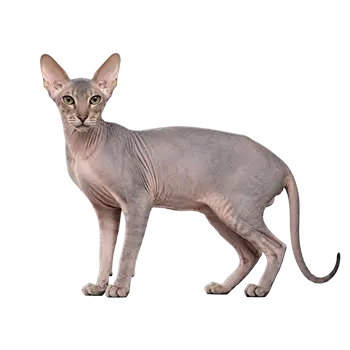

Breed-Specific Legislation

Breed-specific legislation, the body of law that restricts or regulates particular animals by breed, overwhelmingly targets certain dogs rather than cats. As a domestic cat breed, the Peterbald is not subject to the kind of breed bans or restrictions that affect some dog breeds, and this remains true across the great majority of jurisdictions.

Cats in general are far less commonly addressed in breed-specific terms. Where laws do single out cats, they tend to focus on wild or hybrid species, not on fully domestic breeds like the Peterbald. The breed's hairlessness and exotic appearance carry no special legal status of their own.

This information is provided for general understanding only and does not constitute legal advice. Local ordinances vary, and the most reliable course for any owner is to consult current regulations in their own municipality or country.

Furry Critter Network presents this material factually and takes no position for or against breed-specific legislation. Readers seeking to understand the debate around such laws should consult balanced, authoritative sources and form their own conclusions.

Ownership & Registration Requirements

Most legal requirements that apply to Peterbald owners are the same general rules that apply to keeping any domestic cat. Depending on the locality, these can include cat licensing, mandatory microchipping, current rabies vaccination, and limits on the number of animals kept in a single household.

It is important to distinguish two different senses of "registration." Municipal registration or licensing is a legal matter governed by local government. Registration with a cat registry such as TICA, by contrast, is a pedigree and competition matter, documenting a cat's lineage and breed status rather than satisfying any legal obligation.

Owners acquiring a Peterbald from a breeder will typically receive registry paperwork establishing the cat's pedigree. This documentation is valuable for breeding and showing but should not be confused with the licenses or permits a city or country may separately require.

Because requirements differ widely from place to place, owners should verify the specific rules in their jurisdiction. This overview is informational only and is not a substitute for checking current local law.

Liability & Insurance

Pet insurance is available for cats just as it is for dogs, and many Peterbald owners consider coverage given the breed's particular care profile. Hairless and near-hairless cats can have specific veterinary considerations, such as skin care needs and, in some lines, dental attention, which prospective policyholders may wish to weigh when comparing plans.

When evaluating pet insurance, owners should read policies closely for terms regarding pre-existing conditions, hereditary or breed-related conditions, and any exclusions that might affect a hairless breed. Coverage details vary significantly between providers and plans.

Beyond veterinary insurance, general liability is rarely a major concern for cat owners in the way it can be for owners of certain dogs. Cats are seldom the subject of liability claims, though renters and homeowners should still understand how their housing or insurance arrangements treat pets.

Nothing here should be taken as legal or financial advice. Owners with specific questions about coverage or liability should consult the relevant insurer or a qualified professional, and rely on current policy documents rather than general summaries.

Housing & Rental Restrictions

For renters, the most common legal and contractual issues surrounding a Peterbald are housing-related. Landlords and property managers frequently set their own pet policies, which may include pet deposits, monthly pet fees, restrictions on the number of animals, and in some cases outright prohibitions.

Cats often fare better than dogs under rental policies, as they are generally seen as quieter and lower-impact tenants. Even so, a Peterbald owner should secure written permission and understand any deposits or conditions before bringing a cat into a leased home.

Owners in communities governed by homeowners' associations or condominium boards may encounter additional rules about pets. These private governing documents can impose limits that go beyond what local law requires, so reviewing them in advance is prudent.

Questions sometimes arise about emotional support animals and service animals, which can carry different housing protections under applicable law. These categories are governed by specific legal definitions and processes; owners who believe they qualify should seek authoritative guidance rather than relying on general information like this overview.

Import & Export Regulations

Because the Peterbald originated in Russia and remains relatively uncommon elsewhere, some owners acquire cats from abroad, which brings international transport regulations into play. Moving a cat across borders typically involves health certificates, proof of current rabies vaccination, and microchip identification, with exact requirements varying by destination.

Travelers entering or returning to the United States with a cat should be aware of federal requirements administered by agencies such as the USDA's Animal and Plant Health Inspection Service, along with any state-level rules. Entry into the European Union generally requires compliance with its pet movement framework, including a recognized pet passport or equivalent documentation.

Importing a Peterbald directly from Russia or another distant country can add layers of complexity, including specific export paperwork, quarantine considerations in some destinations, and coordination with airlines that accept live animals. Planning well ahead is essential, as some certificates are valid only within narrow time windows.

Regulations in this area change and are enforced strictly. Owners should confirm current requirements with the relevant government authorities for both the origin and destination countries well before any planned move. This summary is informational only.

Rescue & Shelter Considerations

Although the Peterbald is rare, individual cats can still end up in need of new homes through purebred rescue networks, breeder return programs, or general shelters. Responsible breeders often include clauses in their adoption contracts requiring that a cat be returned to them rather than surrendered elsewhere if the owner can no longer keep it.

Breed-specific and oriental-breed rescue organizations occasionally take in Peterbalds and similar cats, working to place them in homes equipped to handle their particular warmth and skin-care needs. Prospective adopters may need patience, as such cats appear infrequently.

Many jurisdictions have laws encouraging or requiring the spaying and neutering of cats adopted from shelters, and adoption contracts commonly reinforce these expectations. Owners should understand any such obligations attached to a rescued or adopted Peterbald.

As with all legal topics on these pages, this information is general and educational. The universal disclaimer applies, and owners with specific legal questions about adoption, surrender, or contracts should seek qualified guidance.

Always consult a qualified professional before making any health-related decisions. This content is provided for informational reference only and should not replace professional guidance specific to your animal.