
Car Travel

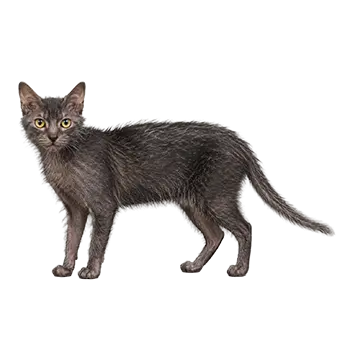
Car travel with a Lykoi follows the same core principles as with any cat, with a few considerations specific to the breed's unusual coat. As a rule, cats travel most safely inside a secure, well-ventilated carrier rather than loose in the vehicle, which protects both the cat and the driver. Securing the carrier with a seatbelt helps keep it stable during the journey.

The Lykoi's sparse coat and lack of an undercoat mean the breed has less natural insulation than a typically furred cat. This makes temperature control in the vehicle especially important. Owners should never leave a Lykoi in a parked car, as cats are highly vulnerable to heat, and should keep the cabin comfortably climate-controlled throughout the trip.

Acclimating a cat to the carrier and to short drives before any longer trip can substantially reduce stress. Familiar bedding, a favorite toy, and calm handling all help, and some owners use cat-appropriate calming aids on the advice of their veterinarian. Building positive associations gradually tends to make travel easier over time.

For longer journeys, planning for water, litter access during breaks, and minimizing stressful transitions all contribute to a smoother experience. Because the Lykoi is an alert, intelligent breed, providing reassurance and predictability goes a long way toward keeping a traveling cat settled.

Air Travel

Flying with a cat requires careful advance planning, and this is true for the Lykoi as for any breed. Airline policies differ considerably regarding whether cats may travel in the cabin or must fly as cargo, the carrier dimensions allowed, and the documentation required. Confirming the specific airline's rules well ahead of travel is essential.

Most small cats, including the Lykoi, are best suited to in-cabin travel where permitted, in an airline-approved carrier that fits under the seat. Cabin travel keeps the cat close to its owner and within a temperature-controlled environment, which is preferable for a breed with limited coat insulation. Booking early is wise, as airlines often cap the number of pets per flight.

Health documentation is a near-universal requirement for air travel. This typically includes proof of vaccination and a health certificate from a veterinarian issued within a specified window before departure. For international flights, additional requirements such as microchipping, blood tests, or quarantine may apply depending on the destination.

Because air travel is inherently stressful for cats, owners should weigh whether a given trip is truly necessary or whether a trusted sitter at home might be the better option. When flying is unavoidable, familiarizing the cat with its carrier in advance and consulting a veterinarian about the individual cat's suitability for air travel can help reduce risk and stress.

Pet-Friendly Accommodations

Finding accommodations that welcome cats has become easier as more hotels and rentals adopt pet-friendly policies, though terms still vary widely. Owners should confirm a property's specific rules in advance, including any fees, size or number limits, and restrictions on leaving a pet unattended in the room.

For a Lykoi, the comfort of the accommodation's climate control deserves particular attention. Because the breed is more sensitive to temperature extremes than a fully coated cat, a room that can be kept comfortably warm or cool as needed helps ensure the cat's wellbeing during a stay.

Bringing familiar items — bedding, a favorite toy, the cat's own litter box and food — helps a Lykoi settle into an unfamiliar environment. Setting up a quiet, secure space within the accommodation gives the cat a retreat and reduces the stress of new surroundings. Ensuring windows and doors are secure prevents an anxious or curious cat from escaping.

Because the Lykoi is a rare and recognizable breed, some owners take extra care to keep the cat secure and supervised in unfamiliar places, both for the cat's safety and for peace of mind. Confirming that a property is genuinely suitable, rather than merely permitted, makes for a more comfortable trip for cat and owner alike.

Boarding & Pet Sitting

When travel does not allow a cat to come along, boarding facilities and pet sitters offer alternatives, each with its own considerations. Many cats find in-home pet sitting less stressful than a boarding facility, since it allows them to stay in familiar surroundings with their established routines intact. For a sensitive, people-bonded breed like the Lykoi, this can be a strong advantage.

If a boarding facility is used, owners should look for clean, well-run operations with appropriate temperature control and experience handling cats. Because the Lykoi has particular skin and coat care needs and a distinctive appearance, communicating clearly with caregivers about the breed's requirements helps ensure consistent care.

Whatever the arrangement, leaving detailed instructions is important: feeding schedules, any grooming or skin-care routines, veterinary contact information, and notes on the cat's personality and habits. Providing the cat's own food and familiar items helps maintain continuity and reduces stress during the owner's absence.

A trial visit or a short trial stay before a longer trip can help gauge how a particular Lykoi copes with boarding or with a new sitter. Because the breed tends to bond closely with its people, choosing a caregiver who will offer genuine attention and interaction, rather than mere maintenance, supports the cat's emotional wellbeing.

Emergency Preparedness

Emergency preparedness is an often-overlooked but vital part of responsible pet ownership, and it applies to travel and to home life alike. Every Lykoi owner should maintain a basic emergency kit and plan so that the cat can be evacuated or cared for quickly if disaster strikes. Including the cat in household emergency planning ensures it is not overlooked in a crisis.

A practical emergency kit for a cat typically includes a sturdy carrier, several days' supply of food and water, any necessary medications, copies of vaccination and medical records, and a recent photo of the cat in case it becomes lost. For the Lykoi, noting the breed's temperature sensitivity in any plan is wise, as the cat may need extra protection from heat or cold during an emergency.

Identification is especially important for emergencies. A microchip with up-to-date registration, combined with a collar and tag where appropriate, greatly improves the chances of a lost cat being reunited with its owner. Given the Lykoi's distinctive appearance and value, clear identification and documentation can also help confirm ownership.

Finally, knowing the locations of emergency veterinary clinics — both at home and at any travel destination — allows for a faster response if the cat falls ill or is injured. Keeping these contacts accessible, along with the cat's medical history, means an owner can act quickly when time matters most. Preparedness ultimately reflects the same attentive care that the Lykoi's unusual needs require every day.

Always consult a qualified professional before making any health-related decisions. This content is provided for informational reference only and should not replace professional guidance specific to your animal.