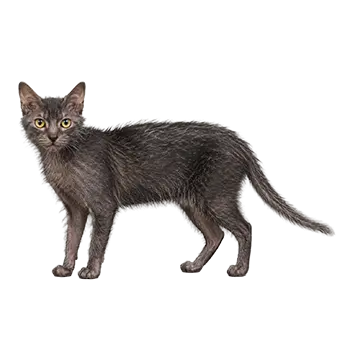

Breed-Specific Legislation

Breed-specific legislation — laws that target particular breeds — is overwhelmingly associated with dogs rather than cats. For cats in general, and the Lykoi in particular, breed-specific bans or restrictions are extremely uncommon. Most jurisdictions regulate cats through broad, species-wide rules rather than singling out individual breeds, so a Lykoi is typically treated under the same laws as any other domestic cat.

That said, the regulatory picture for cats is not entirely uniform. Some localities impose general restrictions on cat ownership, such as limits on the number of cats per household, licensing requirements, or rules concerning outdoor and free-roaming cats. These rules apply to cats broadly rather than to the Lykoi specifically, but Lykoi owners are still subject to them.

Because the Lykoi descends from ordinary domestic cats and carries no wild ancestry, it does not fall under the hybrid or exotic-animal regulations that affect some other breeds. This distinction matters, since cats with recent wild lineage can face restrictions that simply do not apply to a fully domestic breed like the Lykoi.

This information is provided for general awareness only and is not legal advice. Laws vary widely by country, state, and municipality and can change over time. Owners and prospective owners should confirm the specific rules in their own area with the relevant local authorities.

Ownership & Licensing Requirements

Many jurisdictions require cats to be licensed or registered, and where such rules exist they generally apply to the Lykoi as they would to any domestic cat. Licensing programs often tie into rabies vaccination requirements and serve to reunite lost pets with their owners. The details differ significantly from place to place.

Microchipping is increasingly common as either a legal requirement or a strongly encouraged practice, and it is especially valuable for a rare and identifiable breed like the Lykoi. A permanent identifier can be crucial if a distinctive, sought-after cat is lost or strays, helping confirm ownership and aid in recovery.

Mandatory spay and neuter ordinances exist in some areas and may affect how and whether cats can be kept intact. For a breed maintained through careful pedigree breeding, breeders typically operate under specific registry rules and may need to comply with additional local requirements governing breeding operations, such as permits or licenses.

As with all regulatory matters, prospective Lykoi owners should verify the licensing, vaccination, and identification requirements that apply where they live. This overview is informational only; local animal-control offices and licensed professionals are the appropriate sources for definitive guidance.

Liability & Insurance

Liability concerns for cat owners are generally far less pronounced than those for dog owners, and there is no widespread practice of insurers singling out specific cat breeds. The Lykoi is not associated with any liability designations, and homeowners' or renters' insurance policies do not typically restrict ownership based on a cat being a Lykoi.

Owners may still wish to consider pet health insurance, which is a separate matter from liability coverage. Because the Lykoi has particular grooming and skin-care needs and is a relatively rare breed, some owners find value in policies that help offset veterinary costs, though coverage terms and exclusions vary by provider.

In rental and community settings, any liability-related rules tend to come from leases or homeowners' association agreements rather than from breed-specific insurance restrictions. These private agreements can address matters such as damage, nuisance, or the number of pets allowed, and they apply regardless of breed.

This section is informational and not a substitute for professional advice. Insurance products, liability rules, and their interaction with local law differ considerably, and owners should review specific policy terms and consult qualified professionals for their individual circumstances.

Housing & Rental Restrictions

Housing-related rules are among the most practically relevant legal considerations for cat owners. Landlords, rental agreements, and homeowners' associations frequently set their own pet policies, which may restrict the number of pets, require deposits or pet rent, or in some cases prohibit pets entirely. These restrictions generally apply to cats broadly rather than to the Lykoi specifically.

Because the Lykoi looks unusual, owners occasionally encounter questions or misunderstandings about the breed. Providing documentation of the cat's breed, vaccination, and health status can help reassure landlords or housing managers who may be unfamiliar with its appearance. For housing purposes, a Lykoi is simply a domestic cat.

Some housing rules touch on related matters such as whether cats may be allowed outdoors, requirements for containment, or expectations about noise and cleanliness. Given the Lykoi's value and distinctive look, many owners keep them indoors regardless of local rules, which can also simplify compliance with containment-related provisions.

Prospective owners should review their lease or association agreement carefully before bringing home a Lykoi, and confirm any deposit, registration, or limit requirements in advance. This guidance is general and informational; specific housing obligations are governed by individual contracts and local law.

Import & Export Regulations

Because the Lykoi is rare and geographically concentrated, owners and breeders sometimes need to move cats across borders, which brings import and export regulations into play. These rules are not breed-specific but apply to the international movement of domestic cats generally, and they can be detailed and strict.

Typical requirements for transporting a cat internationally include up-to-date vaccinations (particularly rabies), health certificates issued by accredited veterinarians, microchip identification, and sometimes blood testing or quarantine periods depending on the destination. Requirements vary substantially between countries and can change in response to public-health considerations.

The history of the breed itself reflects these realities: early Lykoi and Lykoi gene carriers were exported from the United States to other countries as breeders worked to establish populations abroad, each move requiring compliance with the relevant import rules. This international cooperation helped the breed take root in multiple regions.

Anyone planning to import or export a Lykoi should begin researching requirements well in advance, as some processes involve waiting periods measured in months. This information is general and informational only; official government agencies and accredited veterinarians are the authoritative sources for current import and export rules.

Rescue & Shelter Considerations

Because the Lykoi is a deliberately bred and relatively scarce breed, purebred examples rarely appear in general shelters, and breed-specific rescue networks for the Lykoi are limited compared with those for long-established breeds. Most Lykoi are placed through breeders operating under registry guidelines and adoption-style contracts.

An interesting wrinkle unique to the Lykoi is its ongoing connection to the feral cat population. Because the mutation continues to occur naturally in feral colonies, cats with Lykoi characteristics occasionally turn up among community cats. Responsible handling of such cats — including health checks and spaying or neutering where appropriate — aligns with broader humane practices for feral and community cats.

When Lykoi are rehomed, breeders and rescues often use contracts that address spay/neuter expectations, return policies, and care standards. These agreements are private legal instruments designed to protect the cat's welfare and the integrity of the breed, and prospective owners should read them carefully before committing.

As with every topic on this page, this material is informational rather than legal advice. Shelter, rescue, and adoption laws and practices differ by region and organization, and anyone navigating these processes should consult the specific organizations and local authorities involved.

Always consult a qualified professional before making any health-related decisions. This content is provided for informational reference only and should not replace professional guidance specific to your animal.