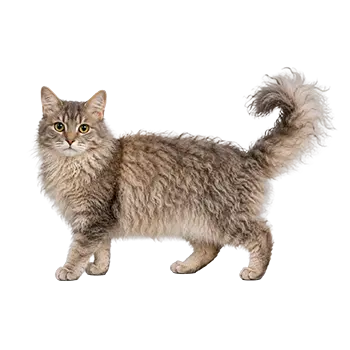

Unlike certain dog breeds, domestic cats — including the LaPerm — are rarely subject to breed-specific legislation (BSL) in most jurisdictions. BSL targeting cats tends to focus on hybrid breeds with wild ancestry, such as Bengal or Savannah cats, rather than fully domestic breeds like the LaPerm. As a result, LaPerm owners generally do not face breed-based restrictions on ownership, housing, or public access.
However, it is worth noting that some municipalities and homeowners associations maintain broad pet ordinances that could indirectly affect LaPerm owners. These may include limits on the total number of cats a household may keep, mandatory indoor-only requirements in certain areas, or nuisance ordinances related to noise or property damage. While none of these specifically target LaPerms, prospective owners should familiarize themselves with local regulations before acquiring a cat.
In countries outside the United States, the regulatory landscape can vary considerably. Some nations classify all pedigreed cats under specific animal welfare frameworks that impose breeding licenses, registration requirements, or health testing mandates. LaPerm breeders operating internationally should consult local animal welfare authorities to ensure full compliance with applicable laws.
Because the LaPerm is a fully domestic breed with no wild ancestry, it is unlikely to face the kind of legislative scrutiny directed at exotic or hybrid cat breeds. Nevertheless, staying informed about evolving pet legislation is a prudent practice for any responsible cat owner.